
What is Sicilian Culture?
Sicilian culture is one of the richest and most fascinating in the Mediterranean. With roots that span thousands of years, it reflects a blend of Greek, Arab, Norman, Spanish, and Italian influences, shaped by centuries of migration, trade, and conflict. But more than anything, Sicilian culture is lived, through its festivals, family traditions, local crafts, and strong community ties.
Whether you’re wandering through a historic village, hearing a folk tune played in a town square, or admiring handmade ceramics in a quiet workshop, you’ll feel the island’s unique character everywhere you go. This page will give you a closer look at the customs, art, music, and traditions that make Sicily unlike anywhere else in Italy.
Table of Contents
- Who Are the Sicilian People?
- Everyday Life and Traditions in Sicily
- Sicilian Art and Craftsmanship
- Sicilian Music and Performance
- Festivals and Celebrations in Sicily
- Language and Dialects in Sicily
- Traditional Sicilian Clothing
- Cultural Etiquette and Tips for Visitors
- Discover the Heart of Sicily
- Featured Villas
Who Are the Sicilian People?
The Sicilian people are shaped by one of the most layered histories in the Mediterranean. Over thousands of years, waves of Greek, Phoenician, Arab, Norman, and Spanish settlers left their mark, not just on the island’s buildings and food, but on its people themselves. Many Sicilians see their identity as distinct from mainland Italy, rooted in this mixed ancestry and a fiercely local sense of pride.
That identity has also traveled. Waves of emigration in the 19th and 20th centuries sent millions of Sicilians abroad, especially to the United States, where large Sicilian-American communities still trace their roots back to specific towns and villages on the island. For many descendants, learning about Sicilian culture is really about reconnecting with where their own family came from.
What defines Sicilian people beyond ancestry? Warmth and hospitality toward strangers, a deep loyalty to family, pride in local tradition over generic ‘Italian’ identity, and a slower, more deliberate relationship with time, all of which you’ll notice the moment you’re welcomed into a home, a shop, or a festival crowd.”
Everyday Life and Traditions in Sicily

Life in Sicily is built around people, not schedules. Families stay close, neighbors chat across balconies, and daily routines still revolve around shared meals and community rituals. You’ll notice it as soon as you arrive, locals greeting each other in the street, markets buzzing early in the morning, and whole towns coming alive for religious festivals or feast days.
Traditions aren’t just remembered here, they’re lived. From Sunday lunch with nonna to the evening passeggiata through the town center, everyday customs reflect a deep sense of place and belonging. Faith also plays a big part, with many towns hosting elaborate processions in honor of their patron saints, complete with music, flowers, and fireworks.
Sicilian culture values time spent together, whether it’s during a family celebration or an impromptu coffee with a friend. As a visitor, you’re not just watching from the sidelines, you’re often invited in.
Sicilian Art and Craftsmanship

Sicilian art tells the story of the island’s layered past. Across Sicily, you’ll find centuries-old styles sitting side by side with vibrant folk traditions and modern creative energy. Art here isn’t just for galleries, it’s built into the streets, homes, and everyday objects.
Traditional Decorative Arts
Craftsmanship runs deep in Sicily. In towns like Caltagirone, artisans still hand-paint ceramics using techniques passed down for generations. You’ll see bold colors, intricate patterns, and scenes from island life decorating everything from plates to tiles to massive ceramic heads known as teste di moro.
You’ll also come across lacework, embroidery, and handwoven textiles, often sold in family-run workshops. And don’t miss the iconic Sicilian carretti, hand-painted wooden carts that once carried goods across the island, now used in festivals and parades. These carts, with their bright colors and storytelling designs, are one of Sicily’s most recognizable folk art forms.
Architecture and Sculpture
Sicily’s buildings are a living museum of its cultural history. Arab-Norman architecture, unique to the island, mixes Islamic arches, Byzantine mosaics, and Romanesque structure. You’ll see this blend in Palermo’s Palatine Chapel and the Cathedral of Monreale.
Later periods brought opulent Baroque churches and palaces, especially in cities like Noto and Ragusa. Even in smaller towns, stone carvings and statues often reflect layers of religious, mythological, or local significance.
Folk and Contemporary Art
Street art has found a home in Sicily too, especially in urban areas like Palermo and Catania. Murals often reflect social or political themes, giving a voice to younger generations. Meanwhile, folk art remains strong through sculpture, puppet-making, and traditional performance, forms that still pass from one generation to the next.
Whether ancient or modern, sacred or playful, Sicilian art remains deeply tied to the island’s identity. It’s not just about what you see, it’s about what it means to the people who live here.
Sicilian Music and Performance

Music has always been part of Sicilian life. From traditional folk songs to world-class opera, the island’s musical roots run deep, and they’re still very much alive today.
Traditional Music
Sicilian folk music tells stories. It’s full of rhythm, emotion, and local history. You’ll often hear instruments like the friscalettu (a wooden flute), the tamburello (a small hand drum), and the ciaramedda (a kind of bagpipe used in mountain areas). These are played during festivals, weddings, and religious celebrations, where music brings the community together.
Many folk songs have been passed down through generations. They cover everything from love and hardship to farming and family. You might hear them sung in Sicilian dialect, adding even more local character to the experience.
Opera and Classical Influence
Sicily also has a strong classical music tradition. Palermo’s Teatro Massimo, one of the largest opera houses in Europe, is a symbol of this heritage. It’s hosted countless world-class performances since the late 1800s and still draws audiences from around the world. You’ll also find classical concerts and opera in cities like Catania and Taormina, often held in beautifully restored theatres or ancient ruins.
Puppet Theatre (Opera dei Pupi)
One of Sicily’s most unique performance traditions is Opera dei Pupi, or puppet theatre. These handcrafted marionettes are used to act out stories of knights, battles, and legends. Originally popular in the 19th century, the tradition is still alive today, especially in Palermo and Acireale, where families continue to run puppet theatres and workshops. UNESCO even recognized it as part of the world’s intangible cultural heritage.
Music and performance in Sicily are more than entertainment, they’re a way of preserving the island’s stories, emotions, and identity.
Festivals and Celebrations in Sicily

Festivals in Sicily aren’t just events, they’re a way of life. Nearly every town has its own celebrations, often tied to local saints, seasonal harvests, or historical moments. These are lively, colorful, and proudly rooted in Sicilian tradition.
The biggest festivals blend religion, music, food, and folklore. Take the Festa di Sant’Agata in Catania, for example. It’s one of the largest religious festivals in Europe, with processions, fireworks, and thousands of people taking to the streets to honor the city’s patron saint. Palermo’s Festa di Santa Rosalia is just as impressive, drawing crowds with its mix of pageantry, devotion, and street celebration.
Beyond the major cities, you’ll find smaller local festivals that celebrate everything from citrus fruit to swordfish. In the hill towns, historical reenactments and medieval fairs bring Sicily’s past to life. Coastal villages host fishing festivals where fresh seafood is served right by the sea.
Many of these events include traditional costumes, folk music, and local crafts. It’s common to see whole communities come together to decorate streets, cook regional dishes, and welcome visitors. If you’re lucky enough to be in Sicily during one of these festivals, don’t just watch, join in! You’ll experience Sicilian culture at its most joyful and welcoming.
Language and Dialects in Sicily

Sicilian culture comes with its own rhythm, and that includes how people speak. While Italian is the official language, many locals also speak Sicilian, a distinct and historic dialect that reflects the island’s complex past.
Sicilian isn’t just a regional accent. It’s a separate language with influences from Greek, Arabic, Spanish, French, and Latin. You’ll hear it in markets, villages, and family homes, especially among older generations. It varies from town to town, so even within the island, the way people speak can change.
That said, most people in Sicily understand and speak standard Italian, especially in larger towns and tourist areas. Many younger locals also speak some English, particularly those working in hospitality or tourism.
If you want to connect with locals, learning a few basic Italian phrases, or even a Sicilian word or two, goes a long way. Greetings like “buongiorno” (good morning) or “ciao” (hello/goodbye) are always appreciated. Try saying “grazie” (thank you) with a smile, and you’ll likely get one in return.
Language in Sicily is more than a tool, it’s part of the island’s identity. Even if you don’t speak much yourself, listening to how locals talk gives you another glimpse into what makes Sicilian culture so rich and personal.
Traditional Sicilian Clothing

You won’t see traditional Sicilian clothing in everyday life, but it still features in folk festivals, religious processions, and cultural celebrations across the island. These garments reflect Sicily’s rural past and the practical needs of farming communities, as well as influences from centuries of different rulers and cultures.
Men traditionally wore simple trousers, linen shirts, vests, and flat caps. Women’s outfits often included long skirts, aprons, and embroidered blouses, usually in natural fabrics suited to the heat. Dark colors were common, especially in older generations, as a sign of modesty or mourning.
Are head scarves traditionally worn in Sicilian culture?
Yes, head scarves have long been part of traditional Sicilian attire for women. They were worn for practical reasons, protection from sun and wind, as well as cultural ones. Head scarves were especially common during church visits or in the presence of elders. While they’re less visible today, they still appear in rural areas and religious events, and they remain a subtle but meaningful expression of Sicilian heritage.
Cultural Etiquette and Tips for Visitors

Sicilian people are famously warm and welcoming, especially if you show respect for their way of life. A little cultural awareness can go a long way in making your stay more enjoyable, and making a good impression.
Greetings matter
When you walk into a shop, restaurant, or small business, it’s polite to greet the staff with a friendly “buongiorno” or “buonasera.” Saying hello and goodbye is part of everyday life here, and skipping it can come across as rude.
Dress respectfully, especially at churches and religious sites
While beachwear is fine at the beach, it’s best to cover shoulders and wear modest clothing when entering sacred spaces or attending religious festivals.
Don’t rush
Time moves differently in Sicily. Meals are meant to be enjoyed slowly, and it’s common for shops to close in the early afternoon for riposo (a break or nap). Plan around it and embrace the slower pace, it’s part of the charm.
If you’re invited to someone’s home, bring a small gift
Flowers, chocolates, or local treats are appreciated. Wine is welcome too, but it’s better to avoid bringing it unless you know the host’s preference.
And finally, stay curious
Ask questions, join in local customs, and be open to experiences. Sicilians take pride in their culture and love sharing it with those who show genuine interest.
Discover the Heart of Sicily

Sicilian culture is more than a list of traditions, it’s something you feel. It’s in the way locals welcome you like family, the rhythm of daily life, the artistry in everyday things, and the stories that echo through music, architecture, and celebration. Whether you’re here for a few days or a few weeks, the more you engage with the culture, the more Sicily opens up to you.
Ready to experience it for yourself? Browse our handpicked villas and start planning your Sicilian escape today.
Featured Villas
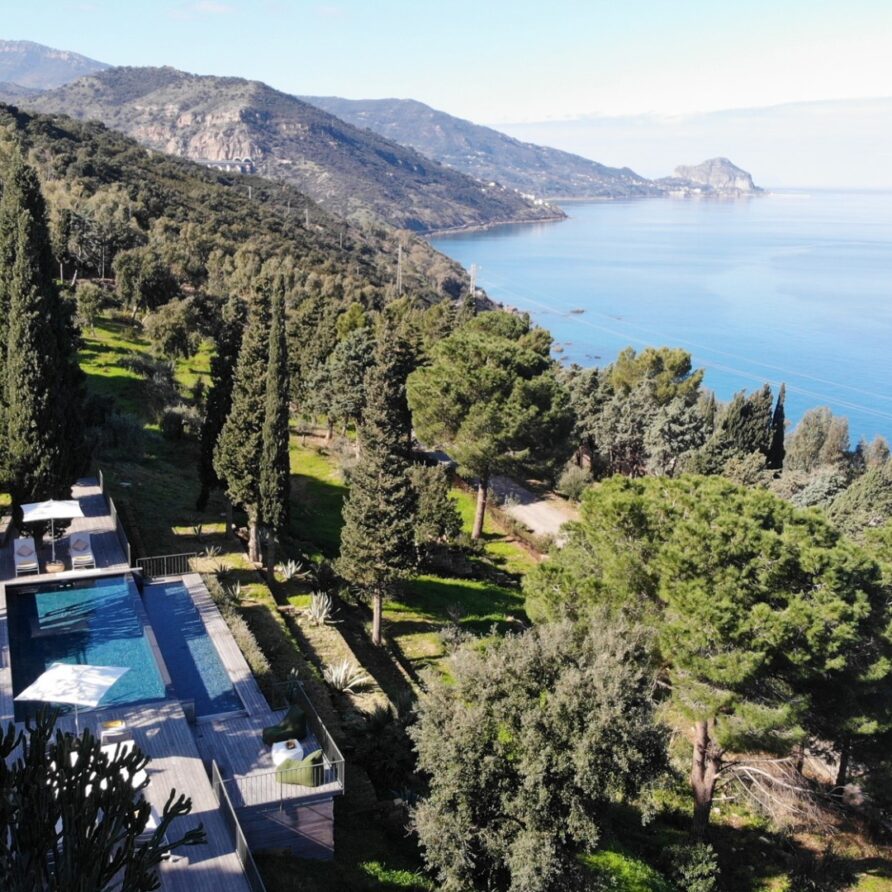
Villa Manna
- Guests: 8
- Size: 175m²
- View: Sea view, infinity pool
- Bed Type: 3 Double beds, 1 French size bed
- Categories: Cefalù Luxury Villas, Luxury Villas Palermo
- Facilities: Air conditioning, , Cable/Satellite television, Dishwasher, Garden, Microwave, Non-smoking accomondation, Pets are allowed upon request, Private pool, Television, Towels, Washing machine and dryer, Wi-Fi / Internet connection
- Bedrooms: 4
- Bathrooms: 3
- Location: Cefalu, Palermo Area
Prices start at:$7,349.33 for 7 nights

Villa Torre Canalotto
- Guests: 12
- View: Mediterranean garden, swimming pool
- Bed Type: 5 Double beds, 2 Sofa beds
- Categories: Luxury Villas Selinunte, Marsala Area, Menfi, Trapani Area
- Facilities: Air conditioning (9 units), Babysitting service, , Cable/Satellite television, CD or DVD, Chef service, Children’s playground, Dishwasher, Garden, Heating (Air Pump), Laundry Service, Maid service, Microwave, Non-smoking accomondation, Open fireplace, Pets are allowed, Private parking, Private pool, Television, Tennis court within 3 km., Towels, Washing machine, Wi-Fi / Internet connection
- Bedrooms: 5
- Bathrooms: 6
- Location: Marsala Area, Menfi, Selinunte, Trapani Area
Prices start at:$4,920.80 for 7 nights
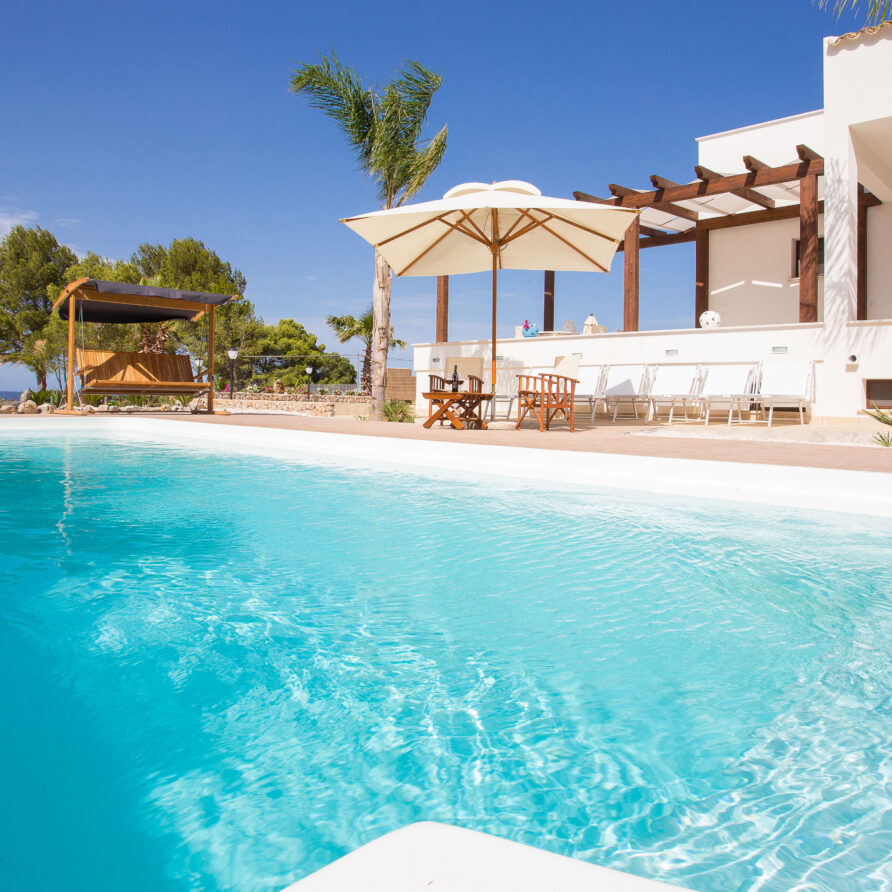
Villa Aronica
- Guests: 16
- Size: 270m²
- View: Sea and mountain view, swimming pool
- Bed Type: 6 queen size bed, 1 twin
- Categories: Marsala Area, San Vito Lo Capo, Trapani Area
- Facilities: Air conditioning (9 units), Babysitting service, , Cable/Satellite television, CD or DVD, Chef service, Children’s playground, Dishwasher, Garden, Heating (Air Pump), Laundry Service, Maid service, Microwave, Pets are allowed, Private parking, Private pool, Roof terrace, Soccer field, Supermarket within 200 m., Surfing within 200 m., Table football, Table tennis available, Television, Towels, Washing machine, Wi-Fi / Internet connection, Windsurfing within 200 m.
- Bedrooms: 7
- Bathrooms: 7
- Location: Marsala Area, San Vito Lo Capo, Trapani Area
Prices start at:$4,903.42 for 7 nights
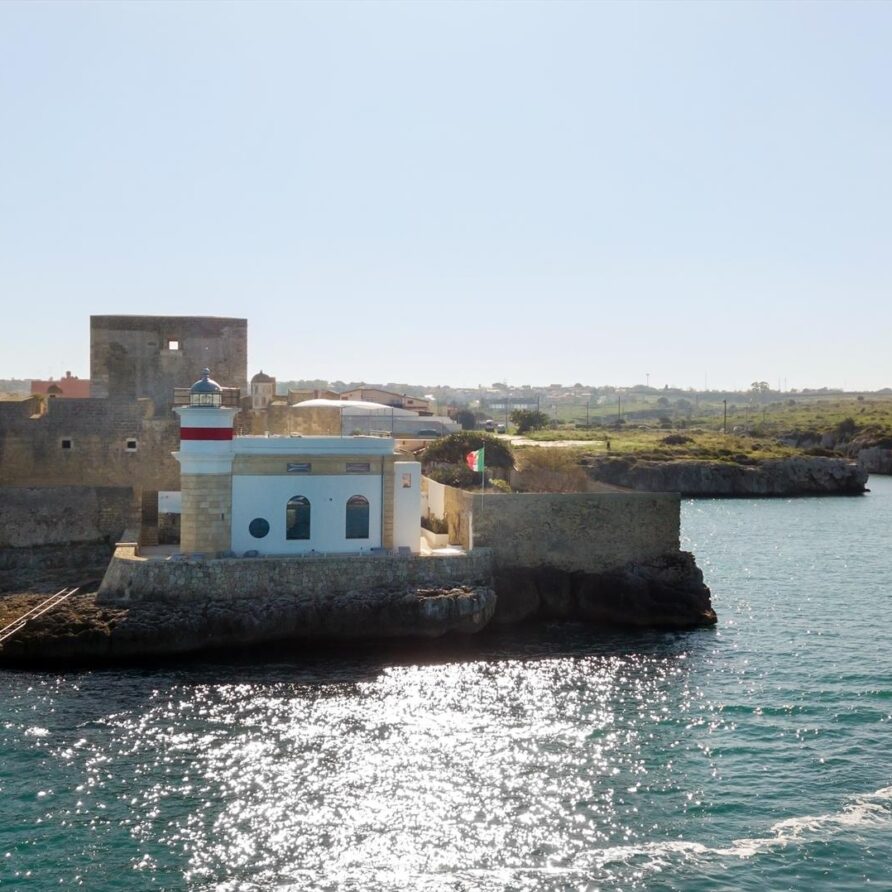
Villa del Faro
- Guests: 6
- Size: 250m²
- View: Sea view, direct sea access
- Bed Type: 3 Double beds
- Categories: Brucoli, Syracuse – Noto Area
- Facilities: Air conditioning, , Beach within 25 m., Cable/Satellite television, CD or DVD, Chef service, Dishwasher, Heating (Air Pump), Jacuzzi, Maid service, Microwave, Open fireplace, Private parking, Provides direct access to the sea/beach, Roof terrace, Television, Towels, Washing machine and dryer, Wi-Fi / Internet connection
- Bedrooms: 3
- Bathrooms: 3
- Location: Brucoli, Syracuse – Noto
Prices start at:$5,796 for 7 nights