Abandoned Sicilian Ghost Town Villages That Are Beautiful and Charming Like Isnello

Sicily holds a quiet, forgotten world beyond its beaches, markets, and historic cities — a world of abandoned villages, half-empty hamlets, and ghost towns suspended between memory and silence. These places, shaped by earthquakes, emigration, and time, now sit untouched in the mountains and countryside, offering travelers a rare glimpse into an older Sicily where life moved slowly, simply, and intimately.

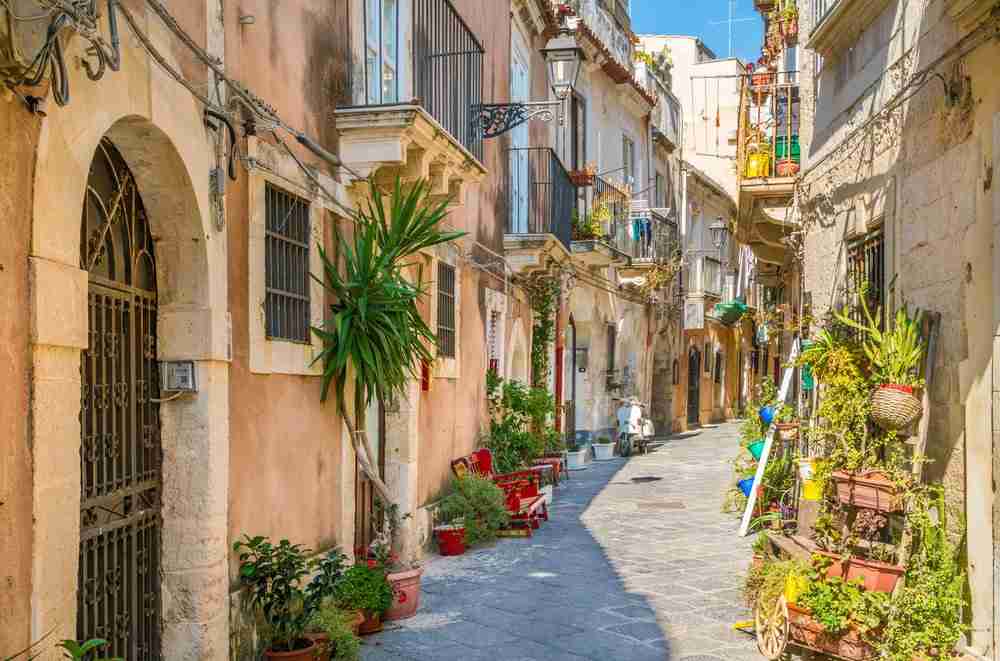
Some of these villages are fully abandoned. Others still have a heartbeat , a few residents, a bar, a small piazza , but carry the same nostalgic charm that makes Isnello so irresistible: narrow medieval streets, stone houses, and the feeling that you’ve stepped into a living postcard.

Here are the most evocative Sicilian ghost towns to visit today.

1. Isnello: Sicily’s “Living Ghost Town” in the Madonie Mountains

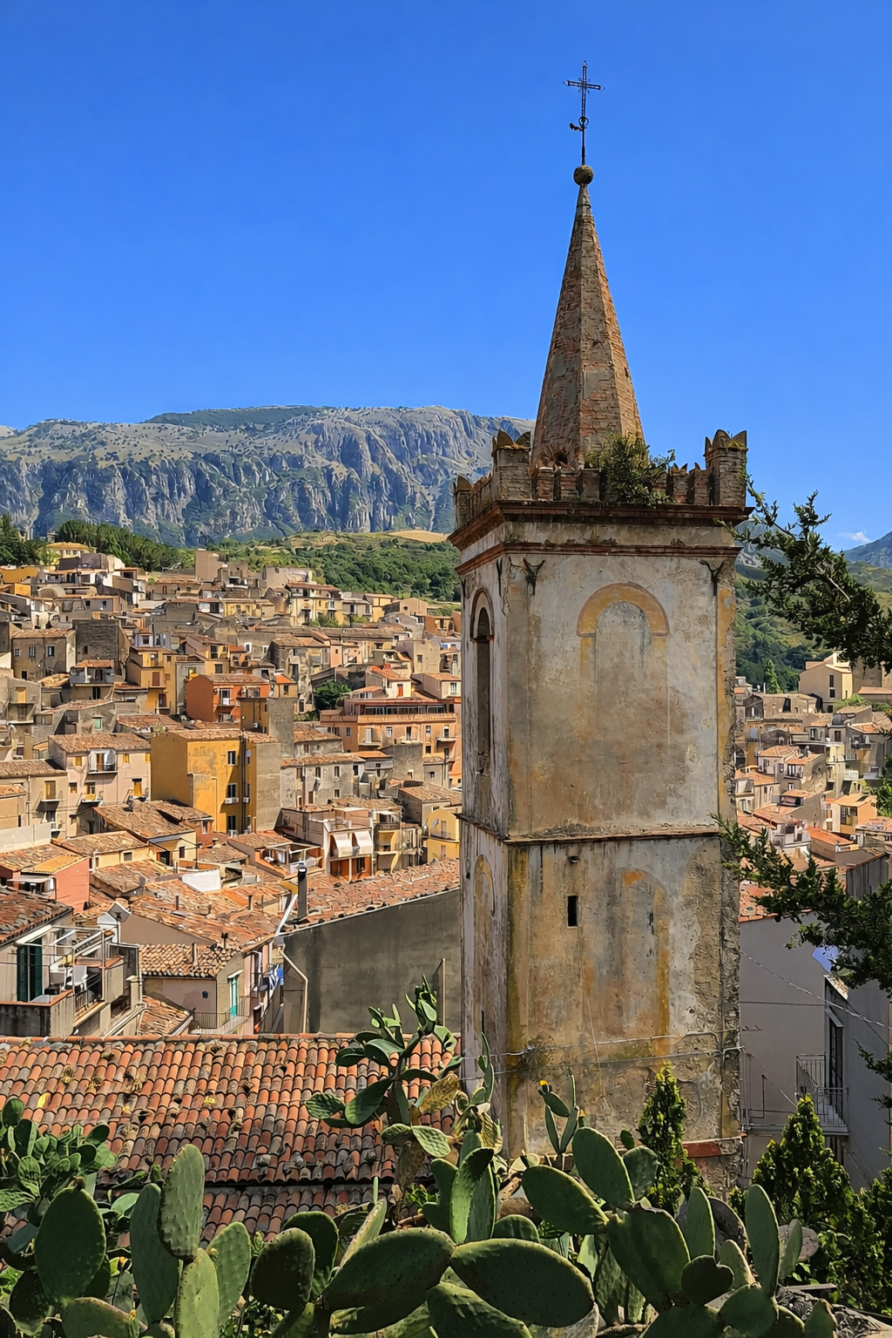
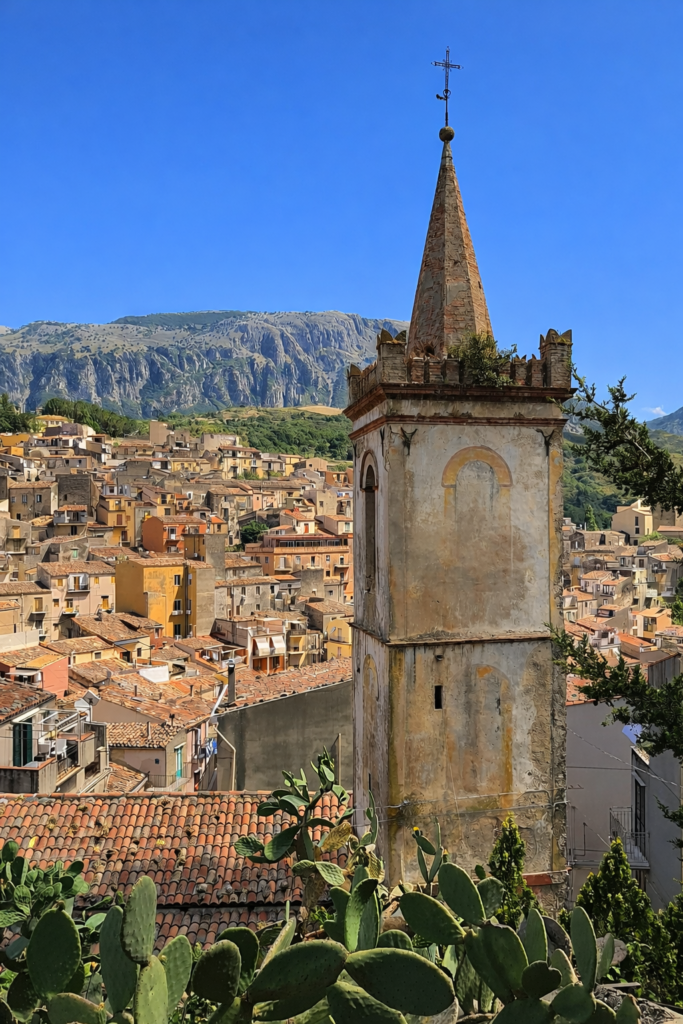
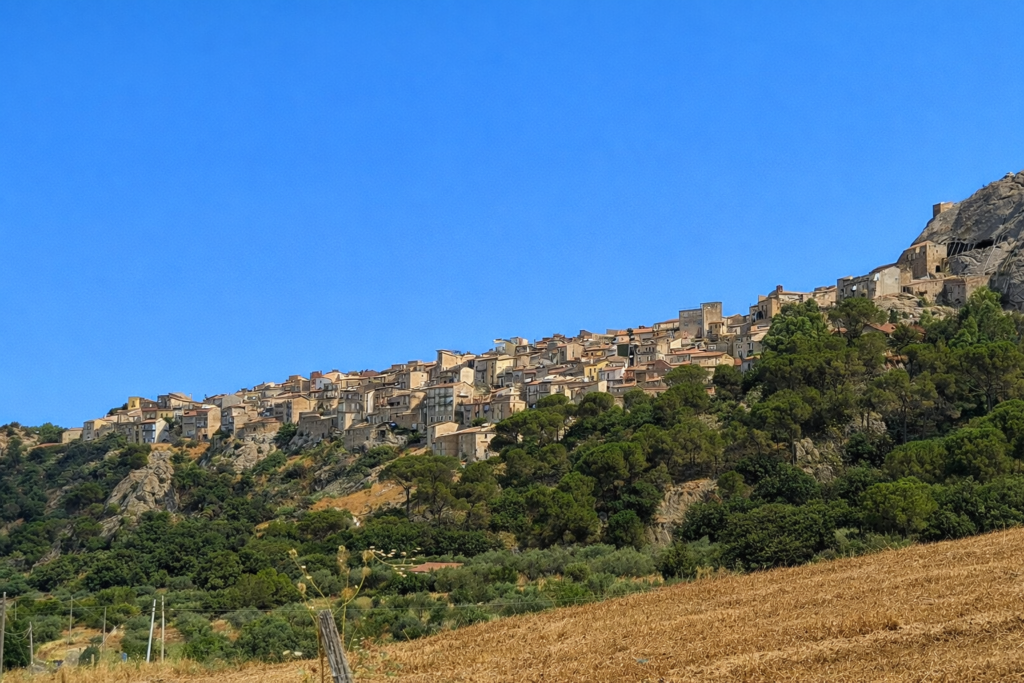
Isnello is often described as a ghost town, not because it’s abandoned, but because it feels suspended in time. Perched in the Madonie Mountains, this small Sicilian village is quiet, atmospheric, and wonderfully authentic, with stone houses stacked along the hillside and dramatic mountain views in every direction. Visiting Isnello is fun precisely because of its slowness: you can wander empty streets, admire the historic church towers and medieval layout, and enjoy panoramic viewpoints without crowds. It’s a perfect stop for travelers who love hidden places, photography, and genuine local life. Nearby hiking trails in the Madonie Park, the renowned Gal Hassin astronomical observatory, and simple trattorias serving traditional Sicilian dishes make Isnello an ideal destination for a relaxed half-day trip or a peaceful overnight stay away from mass tourism.

2. Borgo Sperlinga — The Village That Nature Took Back

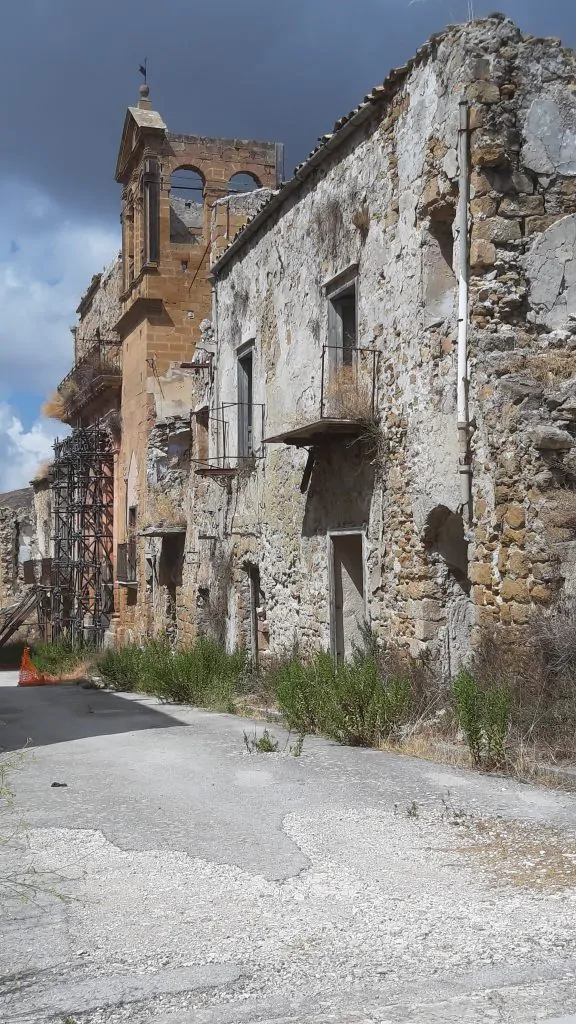
Not far from Nicosia, Borgo Sperlinga lies hidden on a quiet hillside. Built to support rural workers, it emptied gradually through the 20th century. Today its abandoned church, long corridor-like streets, and crumbling houses are eerily beautiful.

Why it’s charming:

 Golden-hour light hits the ruins beautifully, turning the village into a painterly landscape.

3. Poggioreale — The Earthquake Ghost City of the Belìce Valley

Completely destroyed in the 1968 earthquake, Poggioreale is one of the most dramatic abandoned towns in Italy. The old center was never rebuilt, so the ruined grid of streets, collapsed palazzi, and roofless churches remain exactly as they were left. You can still walk the main corso, see the destroyed piazza, and stand before the cracked facades.

Why it’s charming:

 It blends raw tragedy with haunting, cinematic beauty. Photographers consider it one of Sicily’s most striking locations.

4. Salaparuta Vecchia — Silent Streets in Wine Country

Also struck by the same 1968 earthquake, old Salaparuta sits empty on a hill next to the modern town. The remains of homes, staircases, and walls form a stone labyrinth softened by wind and wildflowers.

Why it’s charming:

 It sits in open wine country — the contrast of ruins against vineyards is unforgettable.

The Poetry of Sicily’s Ghost Towns

Sicily’s abandoned villages are not dead — they are dreaming.

 They hold the breath of centuries, the laughter of people who once lived there, the pride of farmers, the silence of old prayers, the weight of history.

To walk through them is to walk into a living poem.

 To photograph them is to capture time itself.

 To know them is to know Sicily’s truest heart — raw, ancient, soulful, unforgettable.

This is the Sicily beyond postcards.

 The Sicily that tourists never touch.

 The Sicily that remains pure.

A Day in Sicily, Without a Checklist

There is a moment in Sicily when you realize the day isn’t asking anything from you. No reservations to rush to, no sights to conquer, no schedule demanding attention. The island doesn’t reward efficiency, it rewards presence.

This is a day in Sicily as it actually unfolds.

Morning: The Quiet Before the Heat

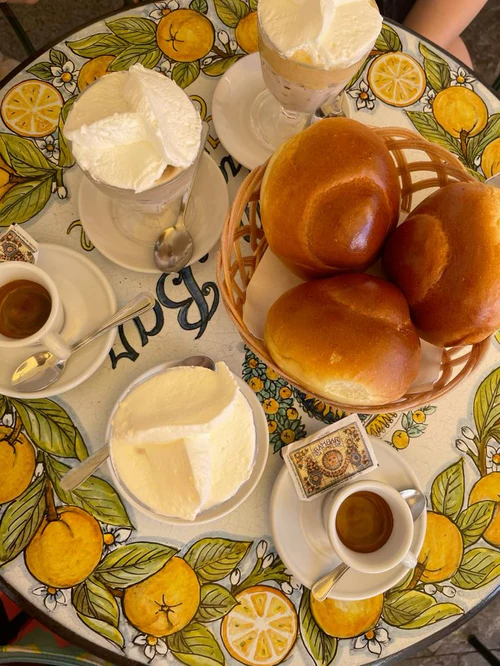
The morning begins slowly, almost privately. Streets are still cool, shutters half-open, the air scented with coffee and clean stone. At the bar, espresso is taken standing up, unceremonious and perfect. No one lingers long, but no one is in a hurry either.

There is time to notice small things: the sound of cups touching saucers, the way light starts to climb the walls, a neighbor greeting another by name. Sicily in the morning feels intimate, as if the island is still waking up with you.


Midday: Letting the Day Stretch

By late morning, the light sharpens and the rhythm changes. This is not the hour for productivity. It’s the hour for letting the day breathe.

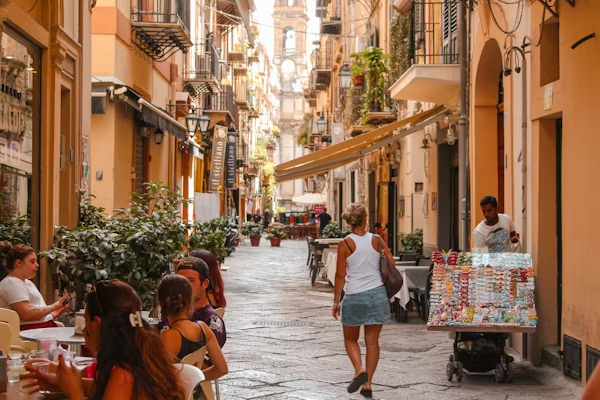
You might walk without direction—through narrow streets, past balconies heavy with flowers, into silence broken only by footsteps. Lunch is simple and unforced. Something local, something seasonal. Afterwards, the world slows almost to a pause.

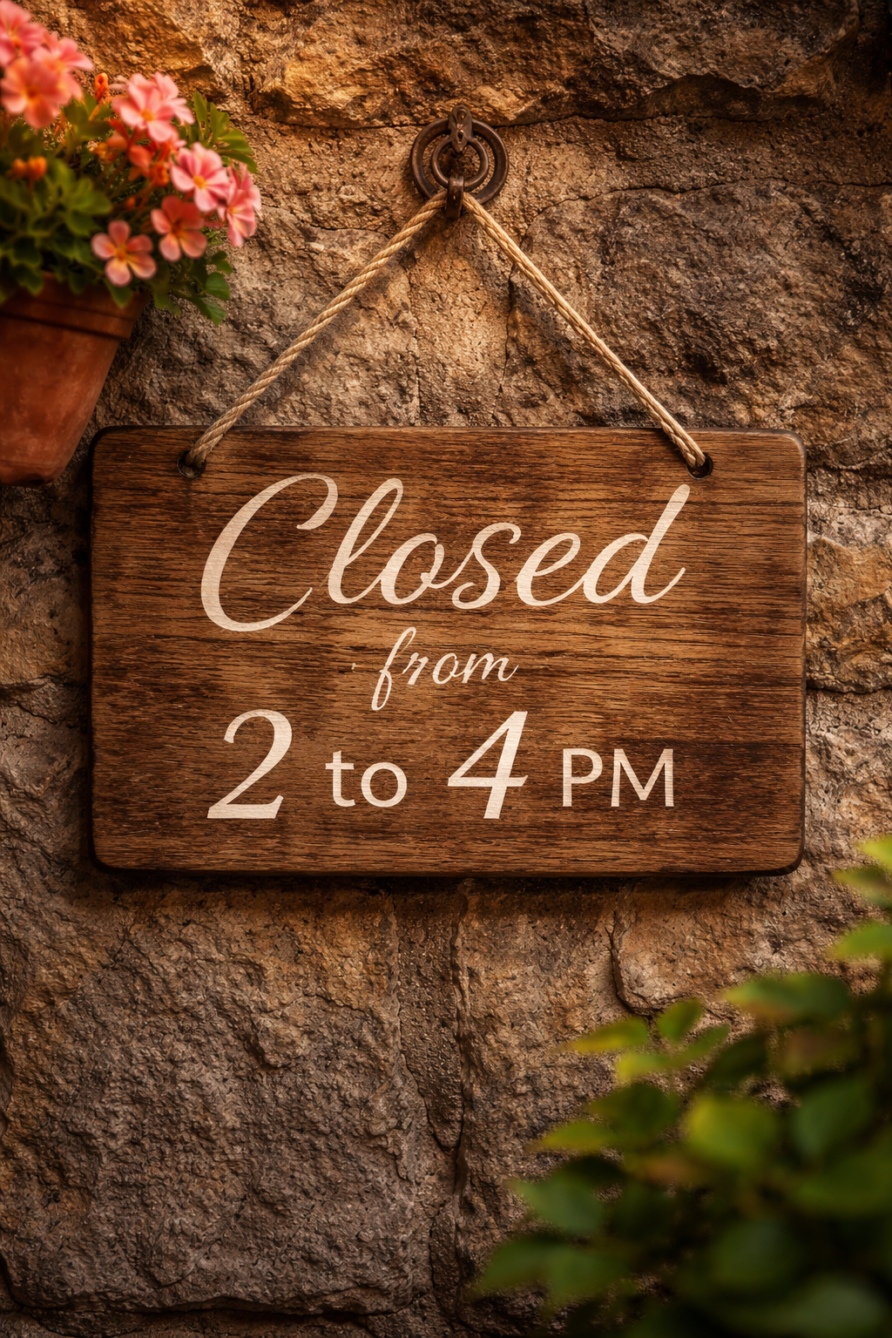
Shops close. Streets empty. The heat settles in. This is Sicily asking you to stop trying to fill the time and instead let it pass.


Afternoon: Stillness as a Luxury

Afternoons in Sicily are not meant to be busy. They are meant to be endured gently.

This is the hour of drawn curtains, quiet rooms, slow pages of a book. Even the countryside seems suspended, olive trees unmoving, cicadas filling the air. Nothing is happening—and that is exactly the point.

In a culture obsessed with motion, Sicily offers stillness without apology.


Evening: When the Island Reappears

As the heat softens, life returns. Doors open. Voices rise. The streets refill with people who seem refreshed, transformed.

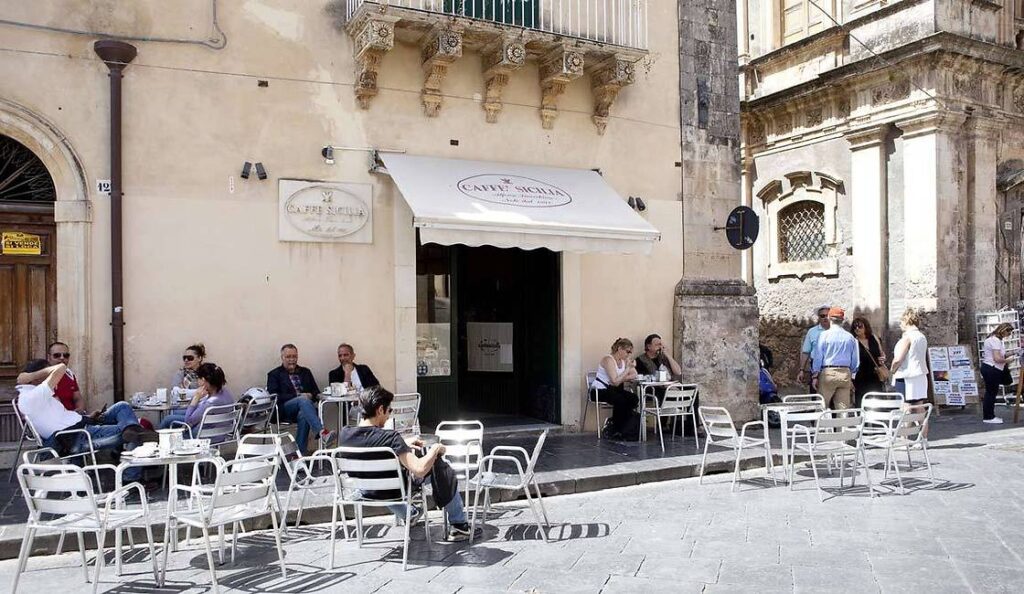
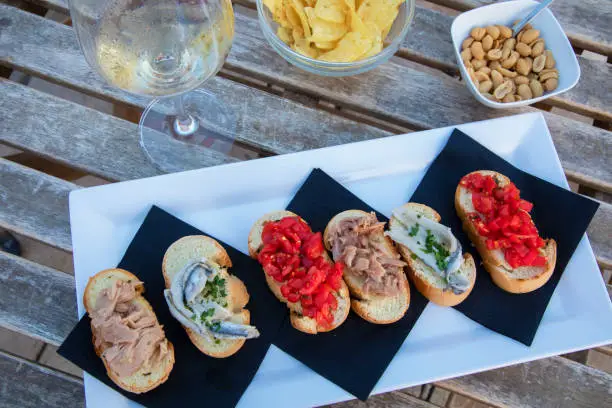
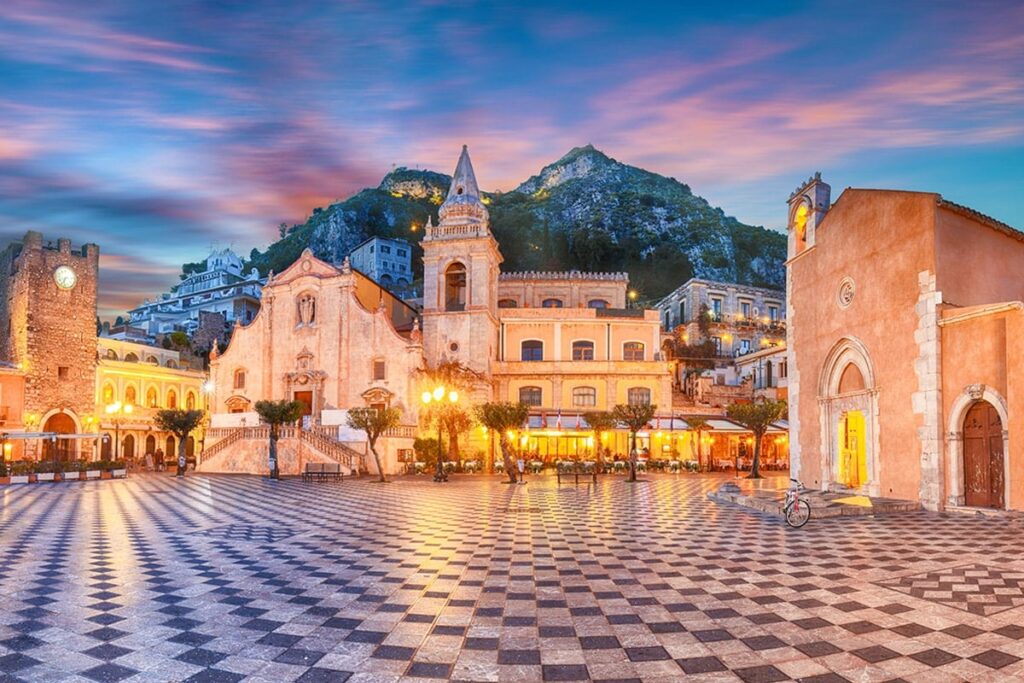
Aperitivo happens naturally, often without planning. A table appears in a piazza. A glass arrives. Conversation stretches. Light turns gold, then amber, then blue. The day feels generous again.

Dinner is never rushed. It’s not an event; it’s a continuation. Plates come and go. Stories repeat. Laughter stays longer than expected.


Night: The Beauty of Not Ending the Day

At night, Sicily doesn’t ask you to choose what’s next. It simply invites you to stay a little longer.

A walk through quiet streets. Warm stone underfoot. Music drifting from somewhere unseen. The sense that tomorrow doesn’t need to be planned tonight.

This is what traveling in Sicily can be when you stop trying to do it.

Not a list.
Not an itinerary.
Just a day that unfolds exactly as it should.

Dolce & Gabbana: Sicily as a Way of Life

Dolce & Gabbana is more than a fashion brand. It is one of the most eloquent contemporary interpretations of Sicily’s identity.

Founded by Domenico Dolce and Stefano Gabbano in 1985 , the house does not borrow from Sicily, it belongs to it. The island’s contradictions and excesses are woven directly into its visual language: devotion and sensuality, severity and opulence, intimacy and spectacle.

This profound attachment to place mirrors the way Sicily is experienced at its best,not as a checklist of landmarks, but as a lived atmosphere. A rhythm. A way of inhabiting beauty rather than observing it from a distance.

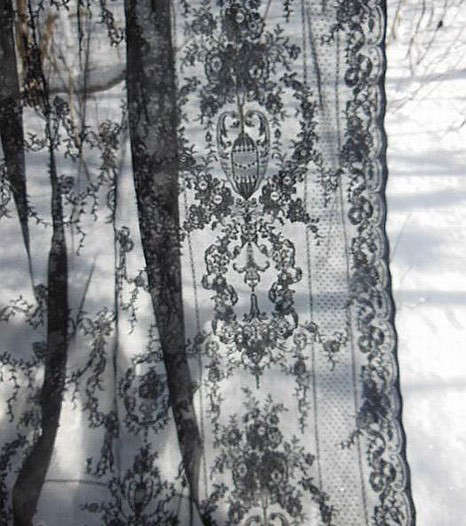
Black lace, sculpted corsetry, veils, gold embroidery, and commanding silhouettes echo the figures that have shaped Sicilian imagination for generations: widows, matriarchs, saints, actresses, and women of formidable presence—evoking icons such as Sophia Loren and Anna Magnani.

The inspiration is unmistakably local:

  • Catholic iconography and sacred ritual
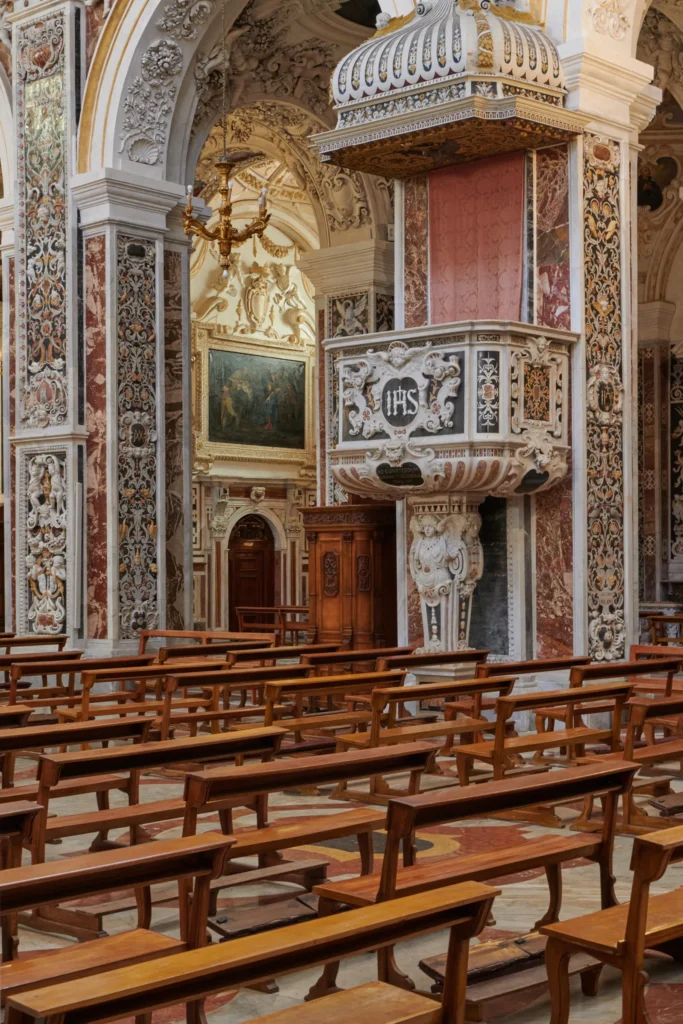
  • Baroque churches layered with gold and shadow
  • Hand-painted ceramics and the vibrant carretto siciliano
  • A Mediterranean sensuality rooted in sun, strength, and unapologetic emotion

These same qualities define Sicily’s historic palazzi, countryside estates, and noble villas—places designed not for minimalism, but for memory, ritual, and presence.

Sicily as a Way of Living

To embrace Sicily as a way of life is to slow down without apology. It is to value ritual over efficiency, memory over minimalism, and presence over performance.Life here unfolds in layers, meals linger, conversations stretch and beauty is allowed to be imperfect. This is why Sicily continues to resonate far beyond fashion. It offers philosophy rooted in land, lineage, and emotion. One that invites not consumption, but participation. Not observation, but belonging.

Dolce & Gabbana Bar, Taormina

Set within the historic San Domenico Palace, the Dolce & Gabbana Bar is not simply a place for a drink—it is a continuation of the brand’s dialogue with Sicily. Every detail reflects the house’s unmistakable aesthetic: hand-painted ceramics, bold patterns, and references to Sicilian tradition reinterpreted through contemporary luxury.

Overlooking the Ionian coastline, the bar embodies the Dolce & Gabbana philosophy of living beautifully and unapologetically. Aperitivo here is as much about atmosphere as it is about taste—where design, setting, and ritual merge effortlessly. Much like Taormina itself, the experience feels theatrical yet intimate, rooted in history but undeniably modern.

For visitors, the bar represents Sicily at its most refined: a place where craftsmanship, place, and lifestyle converge, echoing the same sense of exclusivity and immersion that defines the island’s most exceptional villas and cultural experiences.