Discover Sicily’s Finest Luxury Villas and Dining Experiences
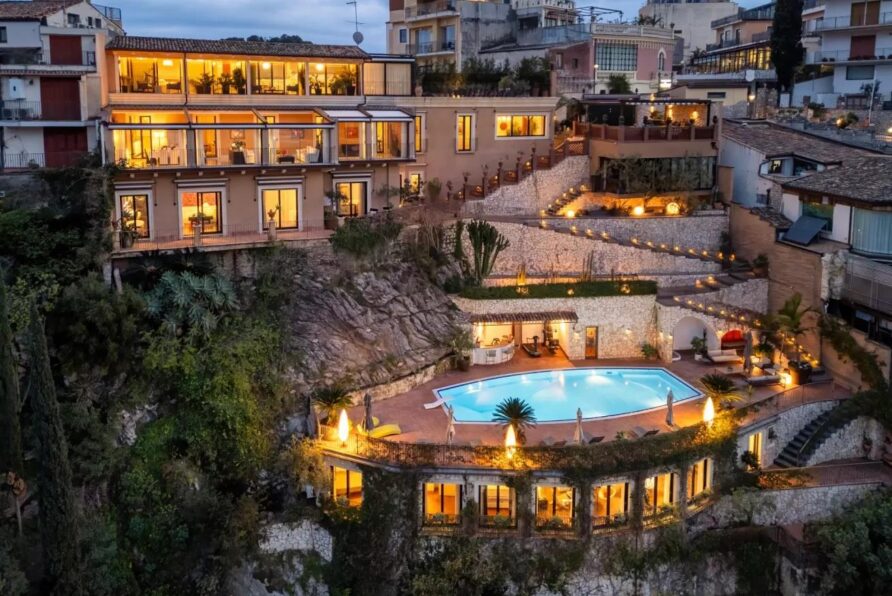
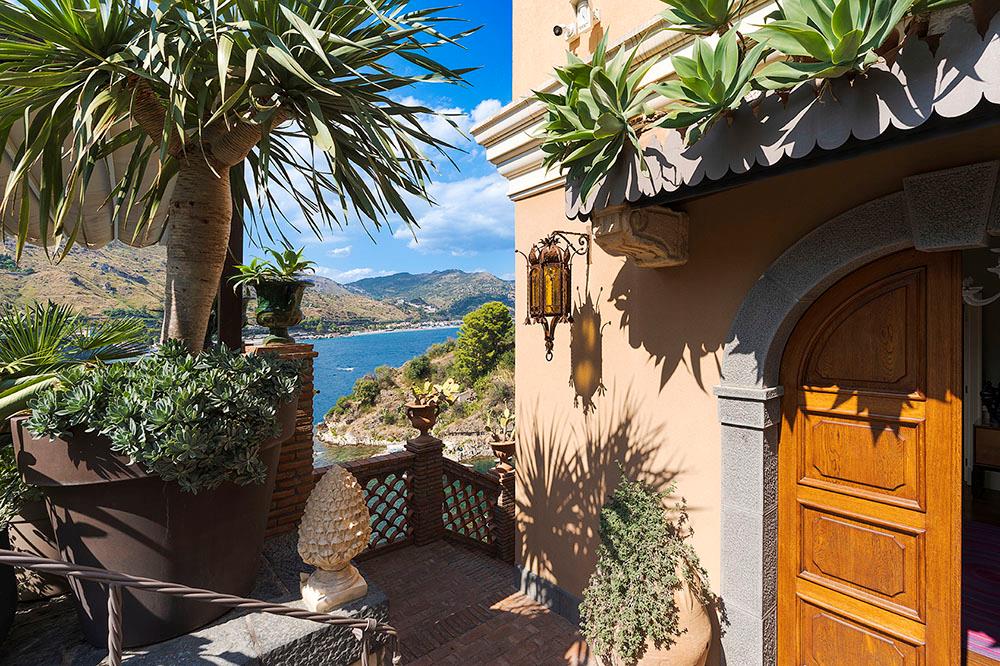
Sicily combines breathtaking scenery, rich history, and exceptional cuisine. Few destinations offer such a complete travel experience. Staying in a luxury Sicily villa allows you to experience the island in comfort and style. Enjoy private pools, stunning views, and exclusive locations.
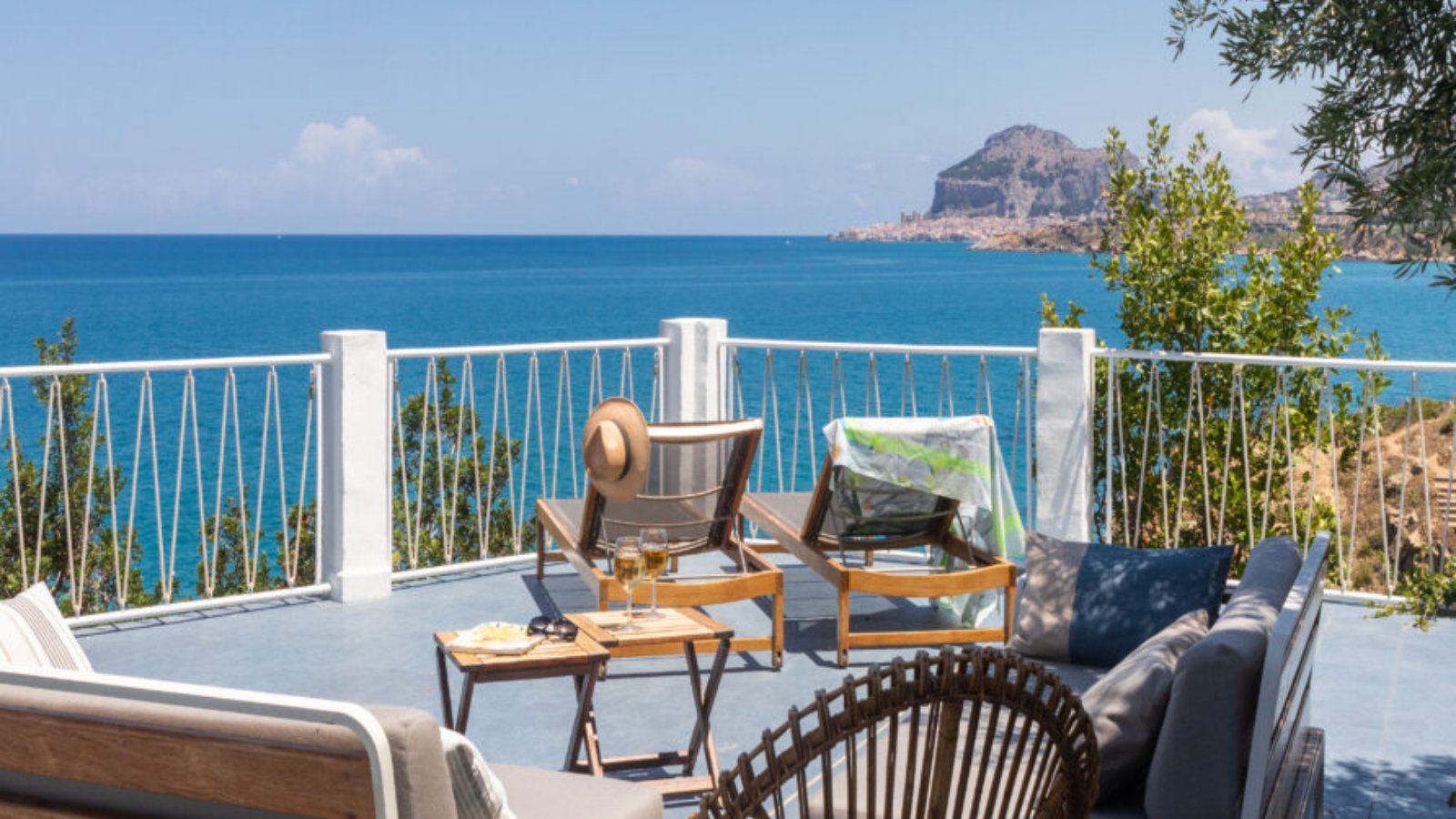
Across the island, luxury Sicily villas can be found beside golden beaches, historic towns, and beautiful countryside landscapes. Each day brings new discoveries. Explore ancient streets, visit charming coastal villages, or relax by the sea.
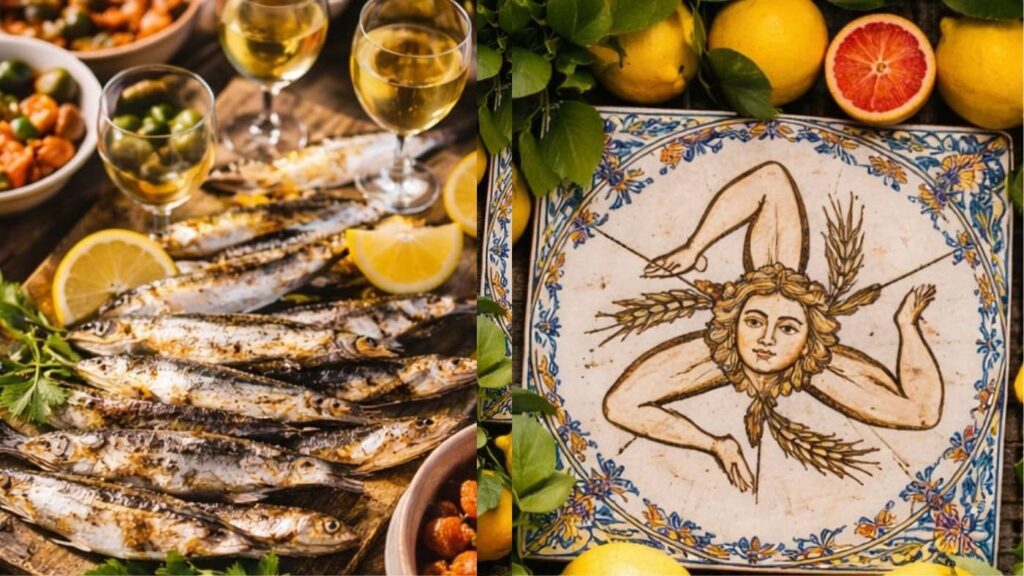
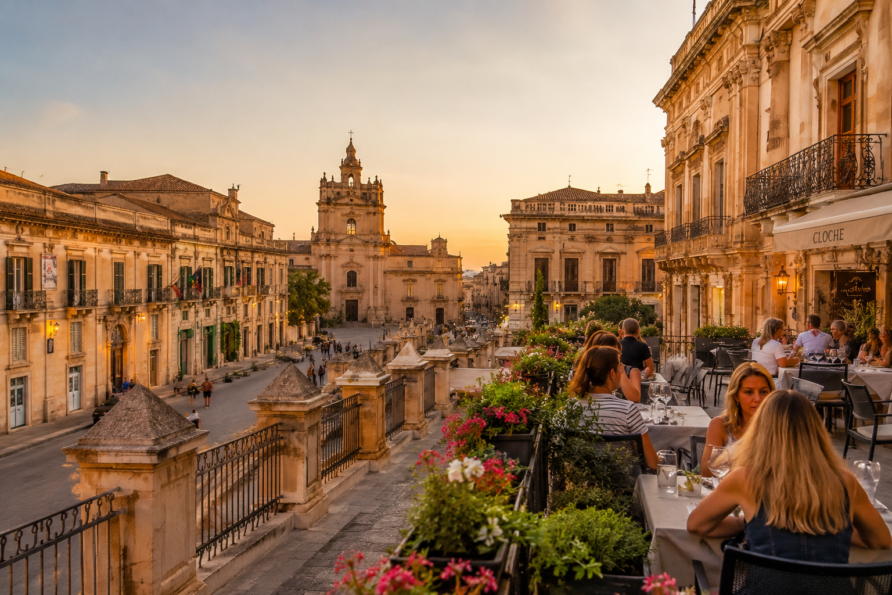
Sicilian cuisine is equally unforgettable. Fresh seafood, local ingredients, and traditional recipes define the island’s culinary heritage. Award-winning chefs continue to elevate Sicily’s reputation as one of Italy’s leading food destinations. Many of Sicily’s finest restaurants sit within easy reach of exceptional villas.
This combination creates the perfect setting for a memorable holiday. Imagine returning to your private villa after a day of sightseeing. Spend the evening enjoying outstanding food and local wines.
This guide highlights some of the best luxury Sicily villas located near acclaimed dining destinations. Each property offers comfort, character, and easy access to remarkable experiences. Whether planning a romantic escape, a family holiday, or a food-focused journey, these villas provide an ideal base for exploring Sicily.
Siracusa & Ortigia: Historic Beauty and Exceptional Dining
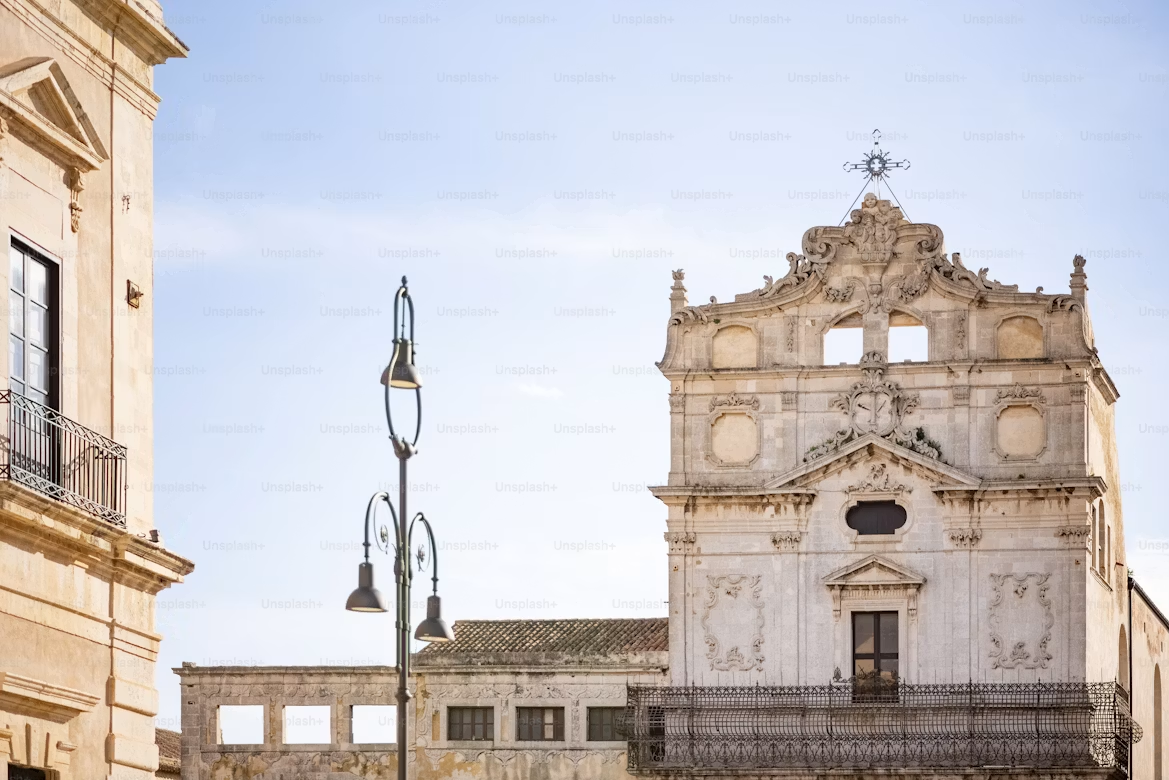
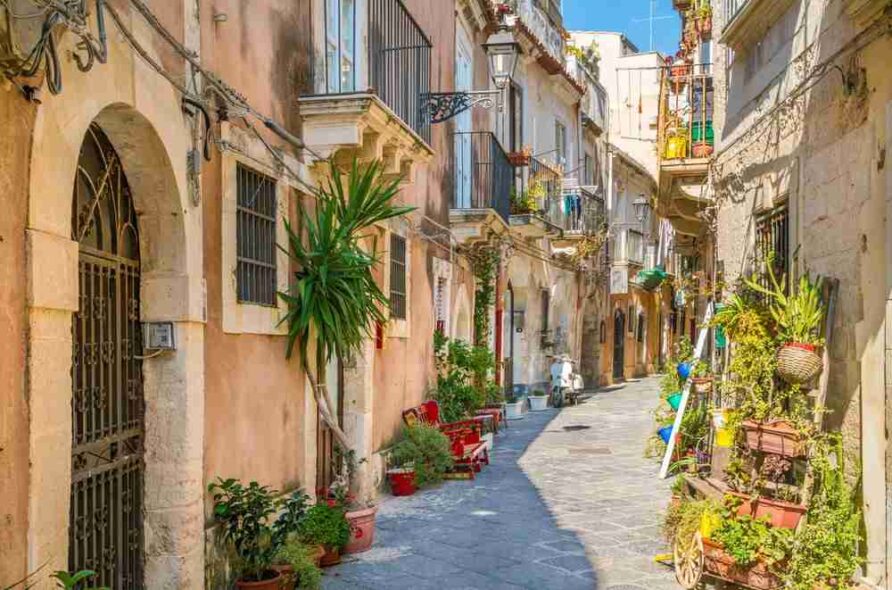
Few destinations in Sicily combine history, culture, and gastronomy as beautifully as Siracusa and Ortigia. This UNESCO-listed area is known for its ancient Greek heritage, stunning seaside views, vibrant markets, and some of Sicily’s most celebrated restaurants.
For guests staying in a luxury Sicily villa, Siracusa and Ortigia offer the perfect balance of relaxation and discovery. Spend the morning exploring centuries-old streets, enjoy an afternoon by your private pool, and finish the day with an unforgettable dining experience.
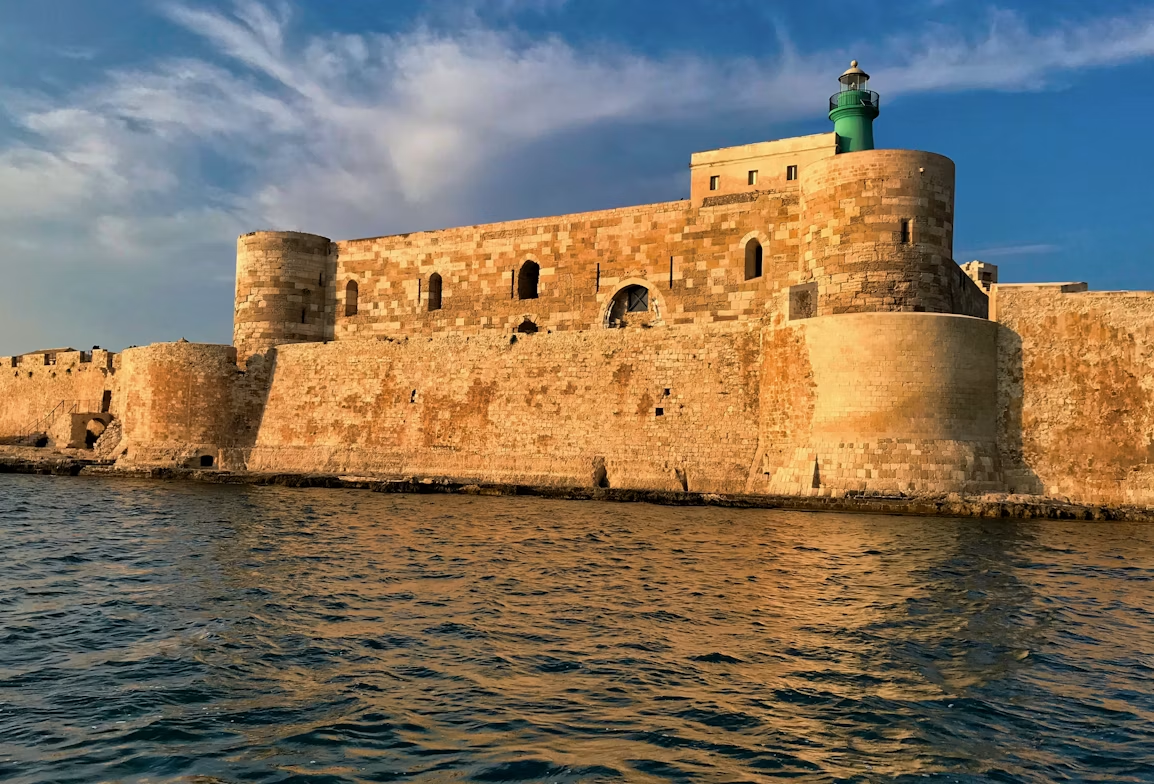
Cortile Spirito Santo
Located in the heart of Siracusa, Cortile Spirito Santo has earned recognition for its refined approach to Sicilian cuisine. The restaurant combines traditional flavours with modern techniques, creating dishes that showcase the very best of local ingredients.
Fresh seafood, seasonal produce, and carefully selected Sicilian wines make this one of the area’s most sought-after dining experiences.
Stay Nearby: Villa Acquamarina
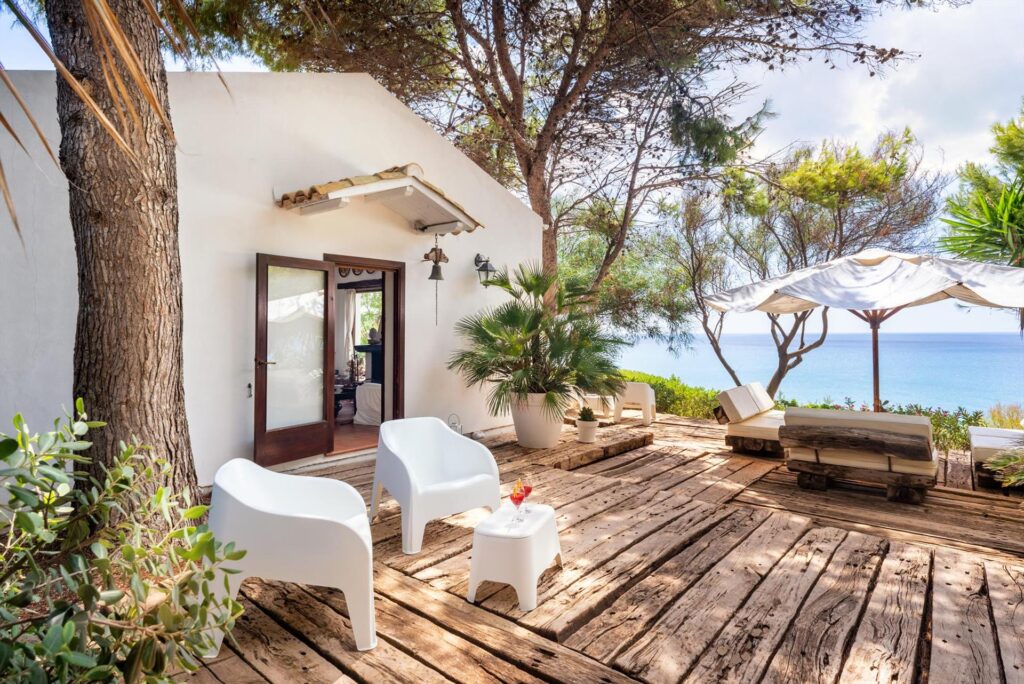
Hidden within a private coastal reserve, Villa Acquamarina offers peace, privacy, and direct access to the sea.
Nature surrounds every corner of the property. Pine trees, eucalyptus, and Mediterranean vegetation create a tranquil setting.
A private path leads to a secluded sandy beach. A sea-view pagoda provides the perfect spot to relax.
Endless coastal views stretch across the horizon. Sunrises and sunsets are especially memorable here.
Outdoor living takes centre stage. Spacious terraces invite long lunches and quiet evenings.
The bio-designed swimming pool blends naturally into the landscape. Its design reflects the beauty of a natural lagoon.
Comfortable seating areas are thoughtfully placed throughout the grounds. Every space encourages relaxation.
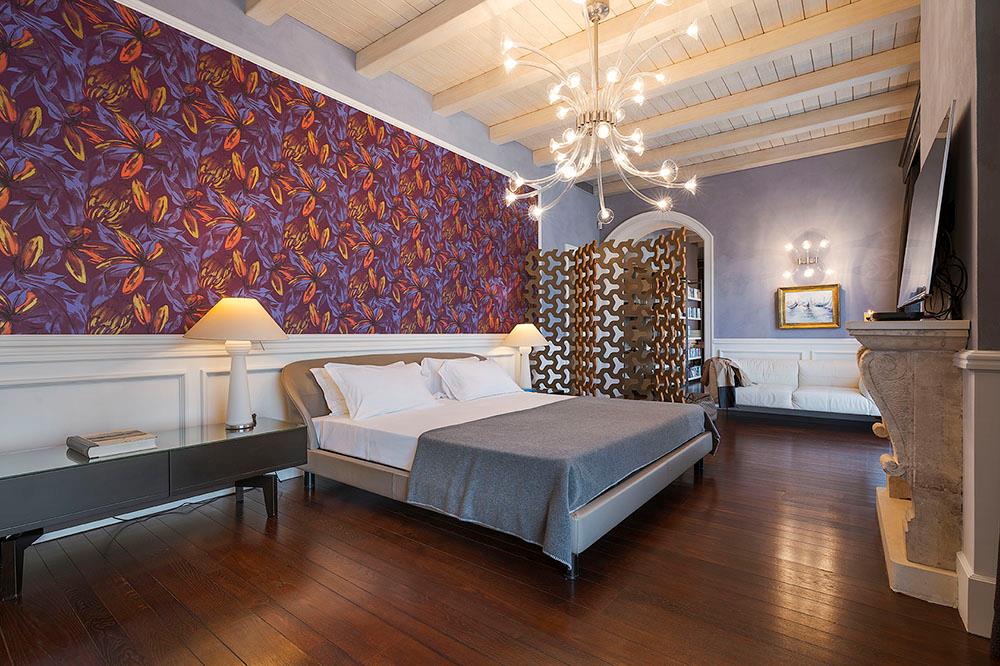
Traditional Sicilian character meets modern comfort indoors. Warm interiors create a welcoming atmosphere.
Wildlife is part of the experience. Friendly donkeys, cats, and birds share this unique natural environment.
A scenic coastal walk leads to Marinella di Selinunte. Here, guests can enjoy excellent local cuisine beside the sea.
Villa Acquamarina is ideal for travellers seeking nature, privacy, and an authentic Sicilian escape.
Don Camillo
Nestled within Ortigia’s historic centre, Don Camillo is one of the area’s most respected restaurants. Known for its intimate atmosphere, exceptional wine selection, and sophisticated Sicilian cuisine, it has become a favourite among both locals and international visitors.
Dining here is more than a meal; it is an opportunity to experience Sicily’s rich culinary heritage in one of the island’s most beautiful settings.
Stay Nearby: Villa Feudale
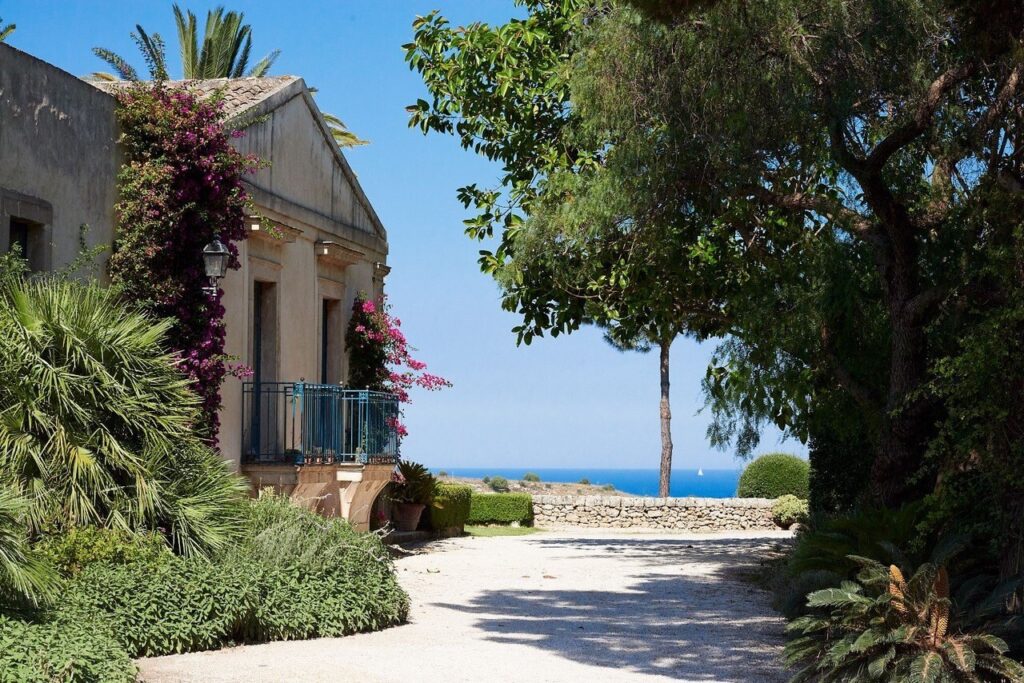
Villa Feudale History, elegance, and space come together at Villa Feudale. This remarkable Sicilian estate welcomes up to 24 guests in a setting rich with character and tradition.
Dating back to the 13th century, the property has been carefully restored while preserving its historic charm. Original architectural features sit alongside modern comforts.
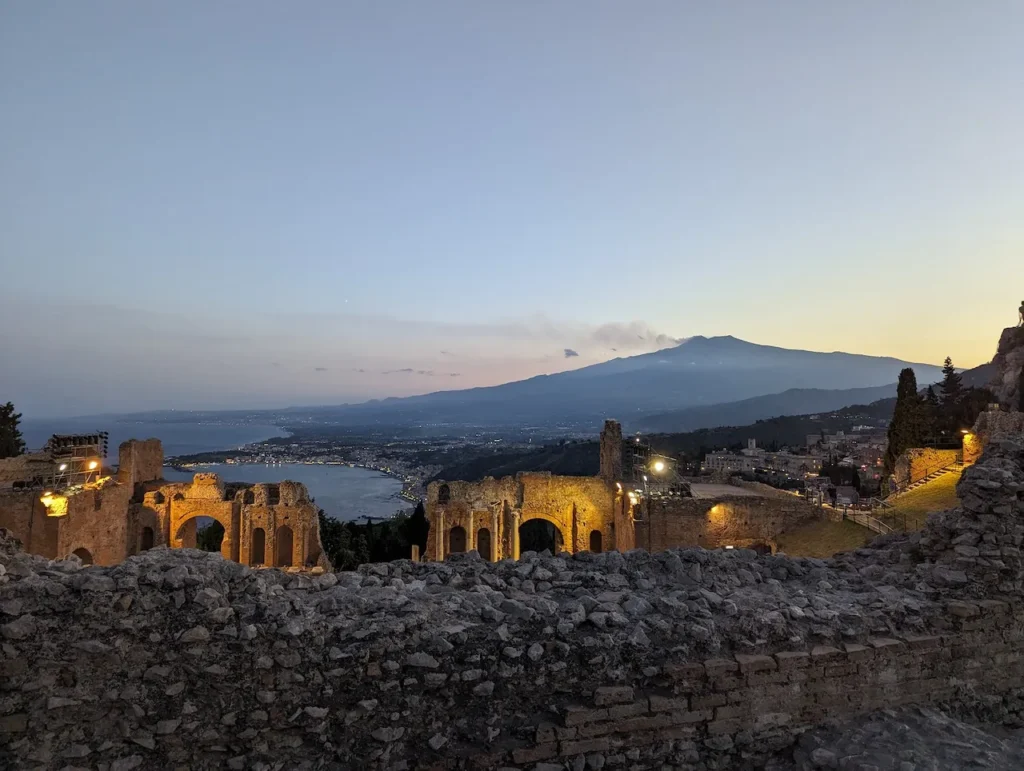
Sweeping views stretch across the countryside towards Mount Etna and the sea. The estate enjoys a peaceful position near Brucoli, yet remains within easy reach of Syracuse, Noto, and Taormina.
At the heart of the property lies a beautiful courtyard surrounded by elegant guest suites. Each bedroom offers privacy, comfort, and its own en-suite bathroom.
Grand reception rooms, a library, formal gardens, and inviting outdoor spaces create a unique atmosphere. Every corner reflects centuries of Sicilian heritage.
Days here are best spent outdoors. Guests can relax beside the large swimming pool, unwind in the Turkish bath and sauna, or gather for long meals outdoors.
Set within extensive private grounds, Villa Feudale offers space to celebrate, reconnect, and enjoy Sicily at a slower pace.
For travellers who value exceptional food and authentic experiences, Villa Feudale is an excellent choice.
Noto & San Lorenzo: Sicily’s Most Elegant Escape
Few places capture the essence of Sicily quite like Noto and San Lorenzo.
Known for their golden beaches, baroque architecture,this corner of southeastern Sicily has become a favourite destination for travellers seeking authenticity, luxury, and exceptional food.
Guests staying in a luxury Sicily villa in this region can enjoy the best of both worlds. Spend the day exploring historic towns, swimming in crystal-clear waters, or relaxing by your private pool. Then prepare for the evening for an unforgettable dining experience.
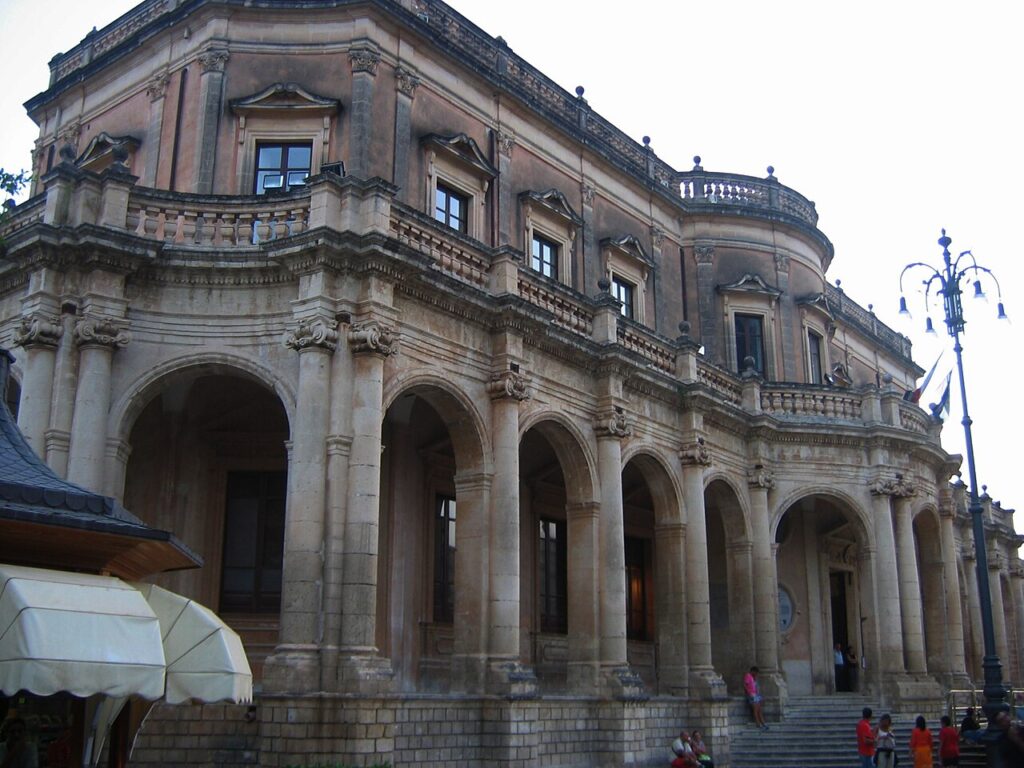
Crocifisso
Located in the heart of Noto, Crocifisso has earned a reputation as one of southeastern Sicily’s most respected dining destinations.
Chef Marco Baglieri’s innovative approach combines traditional Sicilian ingredients with contemporary techniques. They create dishes that celebrate the island’s culinary heritage while offering a fresh perspective.
The restaurant’s elegant setting and commitment to local flavours make it a must-visit for food lovers exploring the region.
Stay Nearby: Villa San Lorenzo Rosmarino
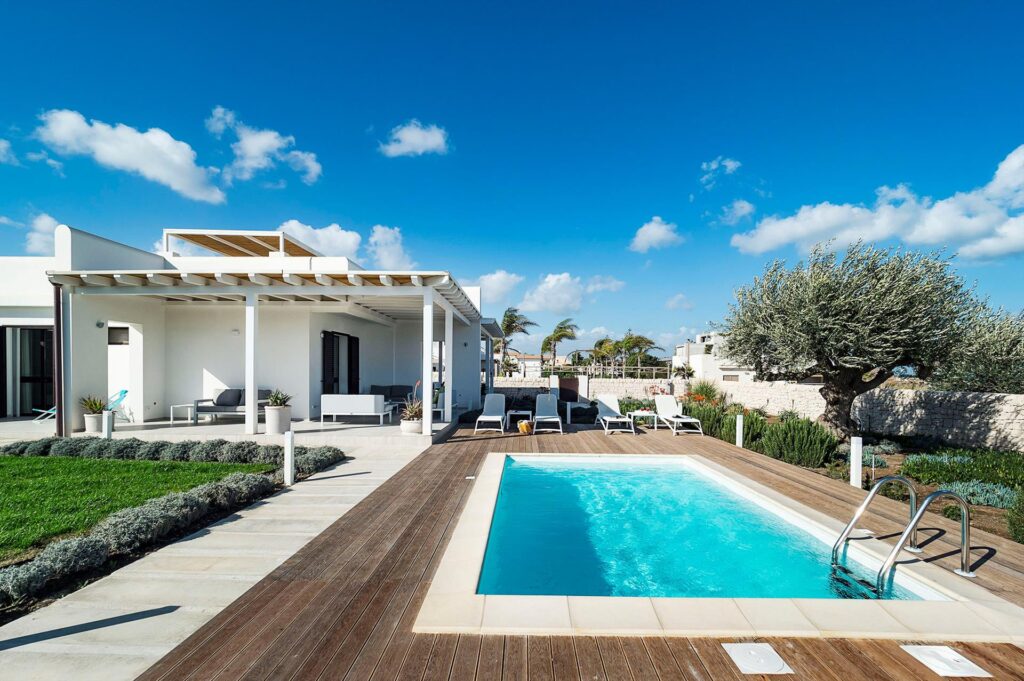
Villa San Lorenzo Rosmarino is a modern coastal retreat near the beautiful beaches of San Lorenzo and the charming fishing village of Marzamemi.
Designed for comfort and relaxation, the villa offers stylish interiors, generous outdoor spaces, and easy access to some of Sicily’s most sought-after destinations.
The property features three bedrooms, three bathrooms, and bright living areas that open onto spacious terraces. Outside, guests can enjoy a private swimming pool, landscaped gardens, and sunny spaces for dining and relaxing.
Just a short walk from the beach, the villa is perfectly positioned for days spent by the sea. The crystal-clear waters and golden sands of San Lorenzo are among the most beautiful in Sicily.
Marzamemi, with its waterfront restaurants and lively atmosphere, is only minutes away. The Baroque town of Noto, the Vendicari Nature Reserve, and Syracuse can all be easily reached for memorable day trips.
Villa San Lorenzo Rosmarino is an excellent choice for guests seeking comfort, privacy, and an authentic Sicilian coastal experience
Principe di Belludia
Situated in nearby Noto, Principe di Belludia offers a refined dining experience that reflects the sophistication of the region. Seasonal ingredients and expertly prepared seafood is part of thie identity. Combine this with carefully curated wine lists and you have one of the area’s most admired restaurants.
For food lovers visiting Sicily, it represents an excellent introduction to the flavours and traditions of the island.
Stay Nearby: Villa San Lorenzo Palma
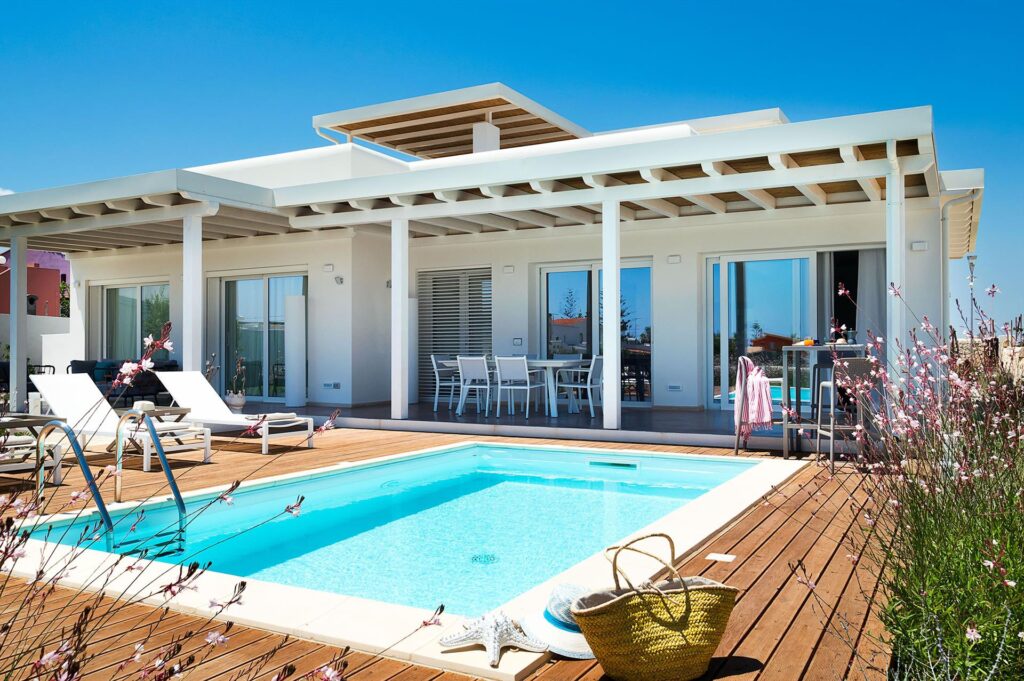
Wake up to sea views and the scent of Mediterranean gardens.Villa San Lorenzo Palma.
Villa San Lorenzo Palma sits near the beautiful shores of San Lorenzo. The beach is only a short walk away.
Sunny terraces create the perfect setting for outdoor living. Every space is designed for comfort and relaxation.
A private swimming pool offers a welcome retreat on warm Sicilian afternoons.
Inside, bright interiors blend modern comfort with Mediterranean style. The atmosphere feels relaxed and welcoming.
Four bedrooms and four bathrooms provide plenty of space for families and groups.
Evenings are best spent in nearby Marzamemi. The village is famous for seafood, sunsets, and waterfront dining.
Adventure awaits beyond the coastline. Discover Noto, Syracuse, and the Vendicari Nature Reserve nearby.
Everything needed for an unforgettable Sicilian escape is within easy reach.