

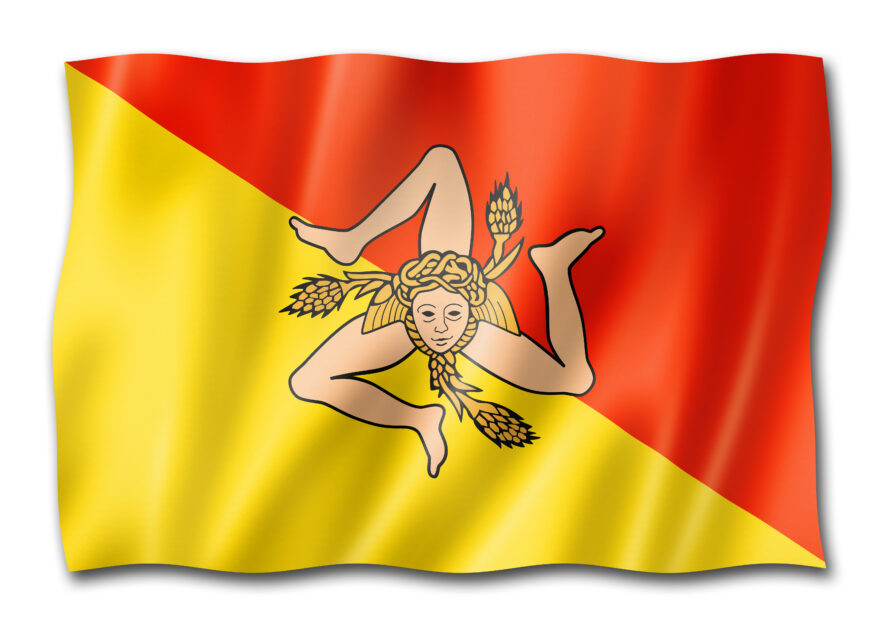
Is Sicilian a language or a dialect? Many visitors to Sicily are surprised to hear that the language spoken on the island is not simply ” Italian with an accent”.
In fact, Sicilian is its own language, with deep historical roots and a rich cultural identity.
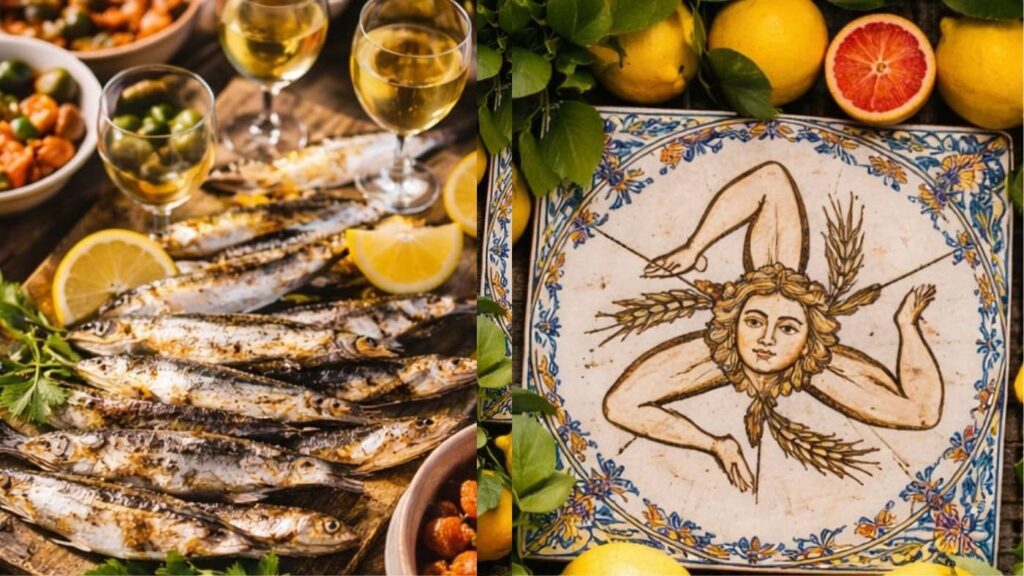
A Language with Ancient Origins
Sicilian is a romance language, meaning it evolved from Latin, just like Italian, French, and Spanish. However, it developed independently over centuries, influenced by the many civilizations that ruled Sicily.
These include: Greeks, Arabs, Normans, Spanish
Each left a lasting mark on the vocabulary, sounds, and structure of the language.
The First Literary Language of Italy
What many people don’t know is that Sicilian was actually the first literary language in Italy. In fact, Sicilian Was Once More Prestigious Than Italian. What most people don’t realize is that Sicilian wasn’t just “a regional language”, it was once the language of poetry, power, and intellectual life in Italy.
In the 13th century, at the court of Frederick II, Sicily became one of the most culturally advanced places in Europe. His court created what is now known as the Sicilian School of Poetry, which actually influenced the development of modern Italian.
Even Dante Alighieri recognized its importance, referring to Sicilian as a refined and literary language. In other words: before Italian became “Italian,” Sicilian helped shape it.
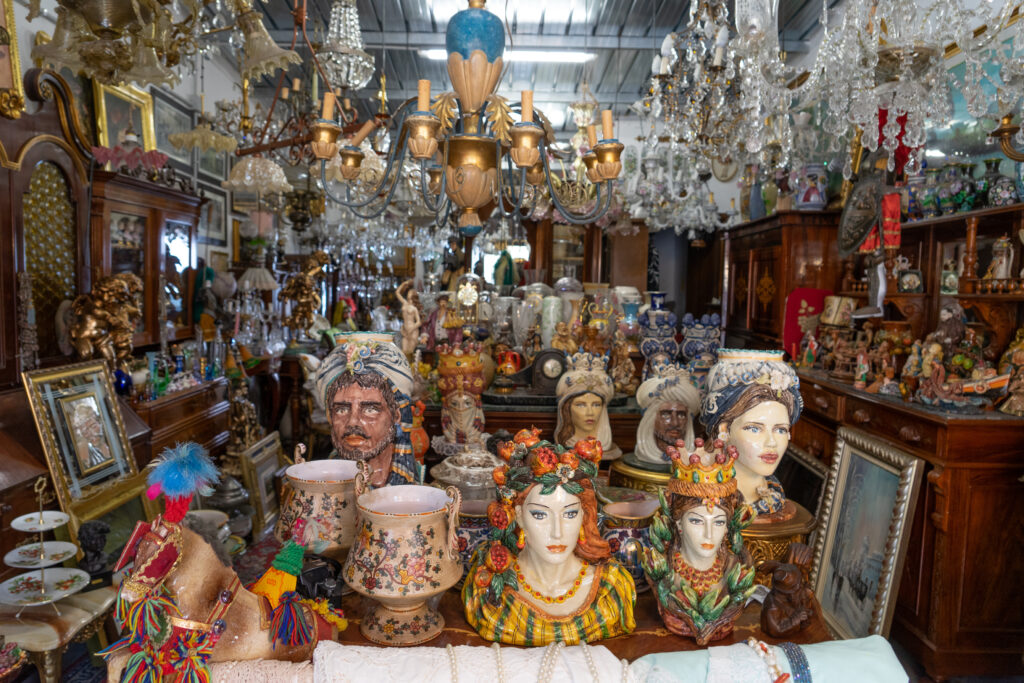
A Language That Absorbed the World
Sicilian is like a living museum of Mediterranean history. Because Sicily was conquered and ruled by so many civilizations, the language absorbed words from all of them,creating something incredibly unique.
Here are a few examples most people never notice:
Arabic influence: words like zibibbu (raisin) and gebbia (water basin)
Greek roots: especially in rural and agricultural vocabulary
Norman & French traces: seen in courtly and administrative language
Spanish impact: still heard in everyday expressions today
This mix isn’t random—it reflects centuries of trade, conquest, and coexistence. When you hear Sicilian, you’re literally hearing layers of history speaking at once.
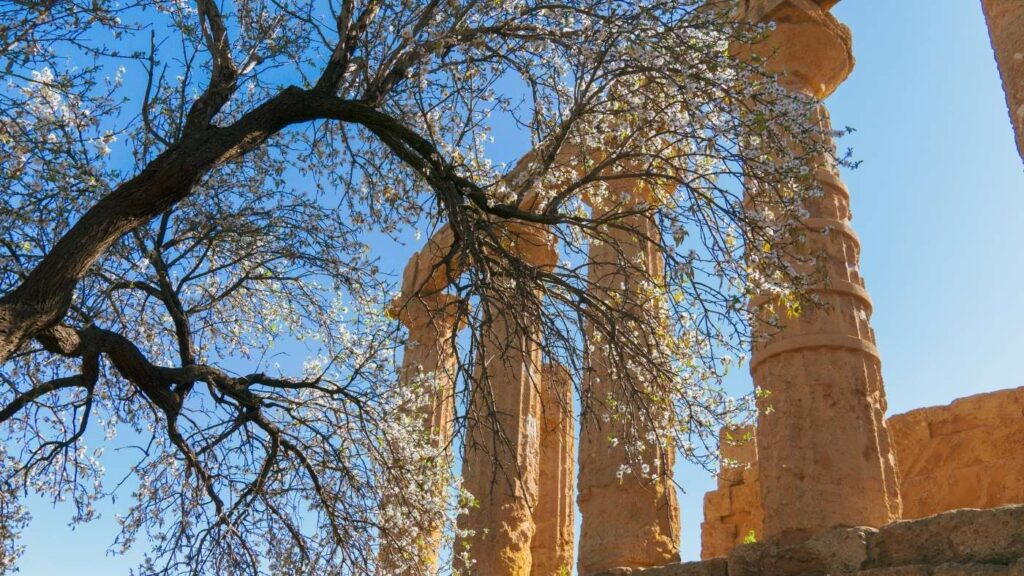
While Sicily’s language reflects a mix of cultures, its architecture tells the same story in stone. In the south, Agrigento reveals the island’s deep Greek roots, with the Valley of the Temples standing as one of the most important legacies of Magna Graecia.
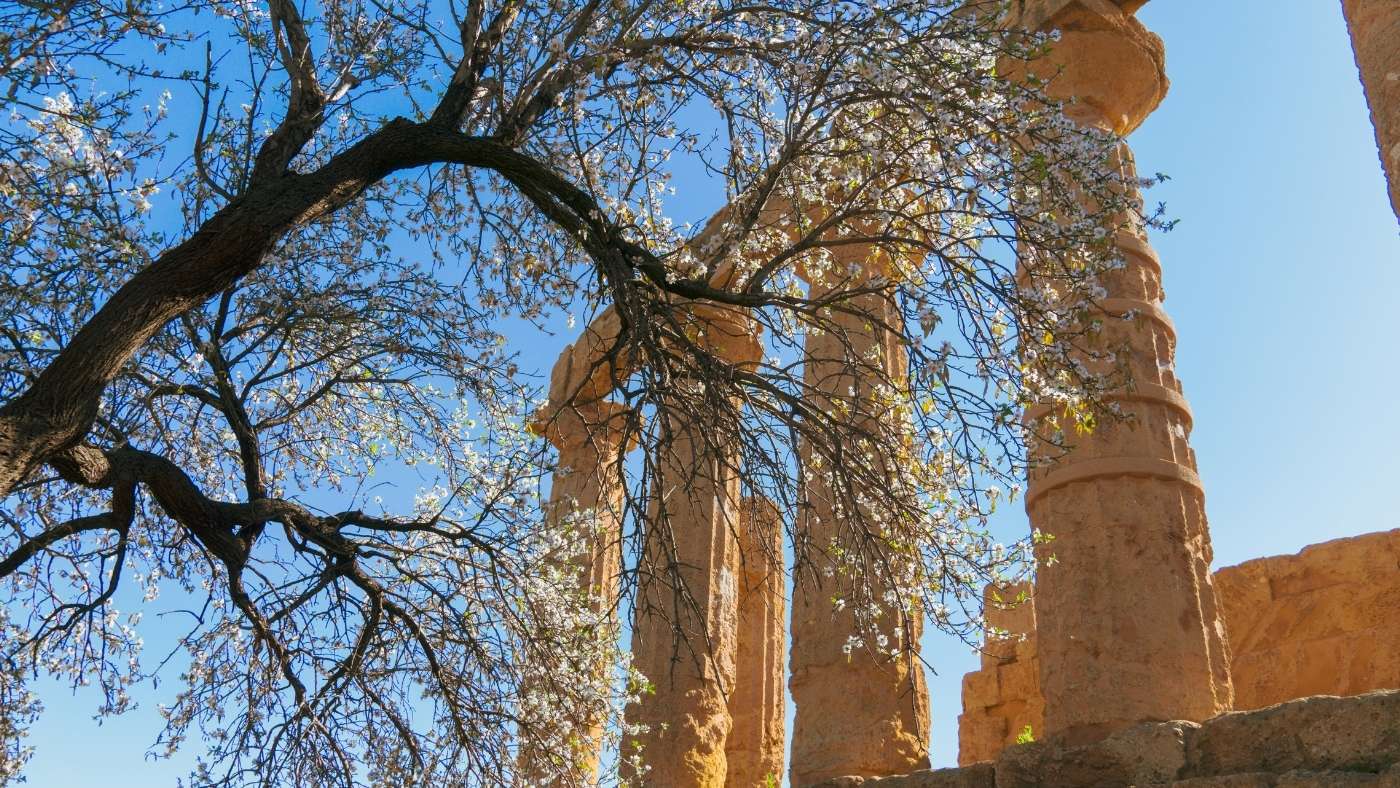
In contrast, Palermo showcases a different chapter of history, shaped by Arab and Norman influences, visible in its domes, mosaics, and layered architectural styles. This contrast is part of what makes Sicily so unique, and it can be experienced firsthand by staying in one of our carefully selected villas located near these extraordinary historical sites.
It’s Not One Sicilian, It’s Many
Another surprising truth is that there is not just one version of Sicilian. The language changes noticeably from one town to another, sometimes even within short distances. The Sicilian spoken in Palermo can sound very different from what you hear in Catania.
These variations developed over centuries when many towns were geographically and socially isolated. Each community preserved its own way of speaking, creating differences in pronunciation, vocabulary, and rhythm. Sometimes, the differences are strong enough that Sicilians themselves may need to adjust how they speak to understand one another.
What people commonly call “Sicilian dialect” is not a single unified system, but a collection of related local varieties together forming the Sicilian language.
Why Sicilian Sounds So Different
To many visitors, Sicilian sounds noticeably different from Italian. It often feels faster, more direct, and more expressive. This is not simply a matter of accent, but a reflection of how the language is structured.
Sicilian tends to use shorter and more immediate sentence patterns. Often this reduces or drops vowel sounds that are clearly pronounced in Italian. The result is a rhythm that feels sharper and more dynamic.
At the same time, the language places strong emphasis on tone and expression. This gives it a very emotional quality in everyday speech.
Rather than sounding formal or polished, Sicilian feels grounded and alive. It reflects daily life, relationships, and local identity in a way that standard Italian does not always capture.
