The Valley of the Temples: The Complete Visitor’s Guide to Agrigento’s Ancient Greek Wonders

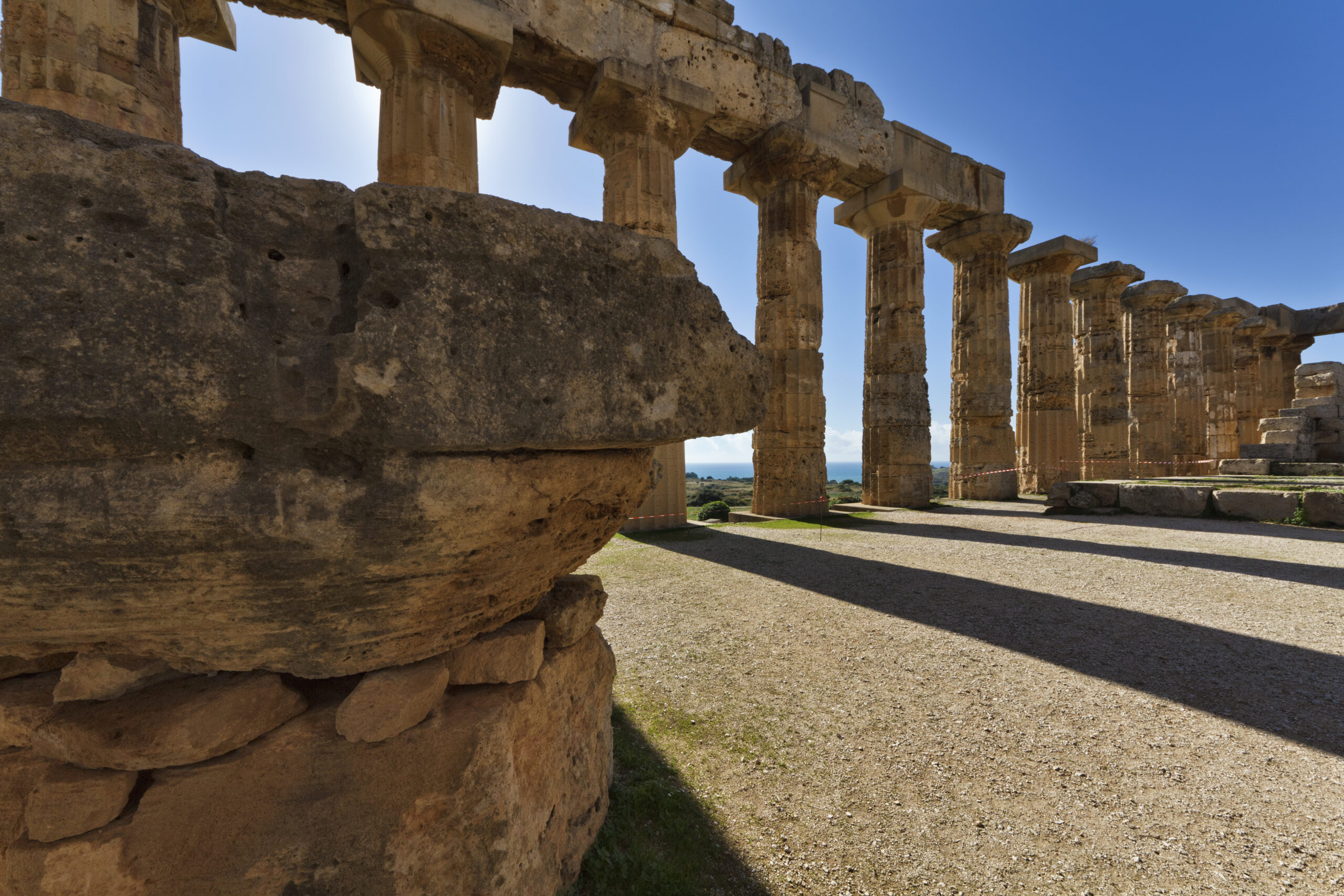
The Valley of the Temples is one of the world’s most remarkable archaeological sites. Located in Agrigento, Sicily, this UNESCO World Heritage Site preserves some of the finest examples of ancient Greek architecture outside Greece.

The site formed part of the ancient city of Akragas, which Greek settlers founded around 580 BC. Over time, Akragas became one of the most prosperous cities in Magna Graecia. Its wealth allowed local craftsmen to build magnificent Doric temples that still dominate the landscape today.

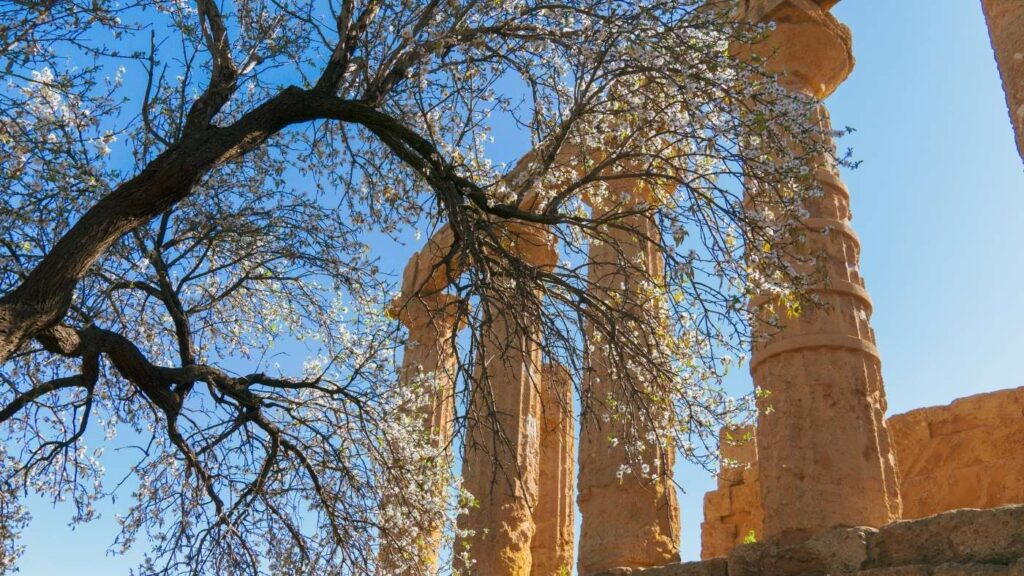
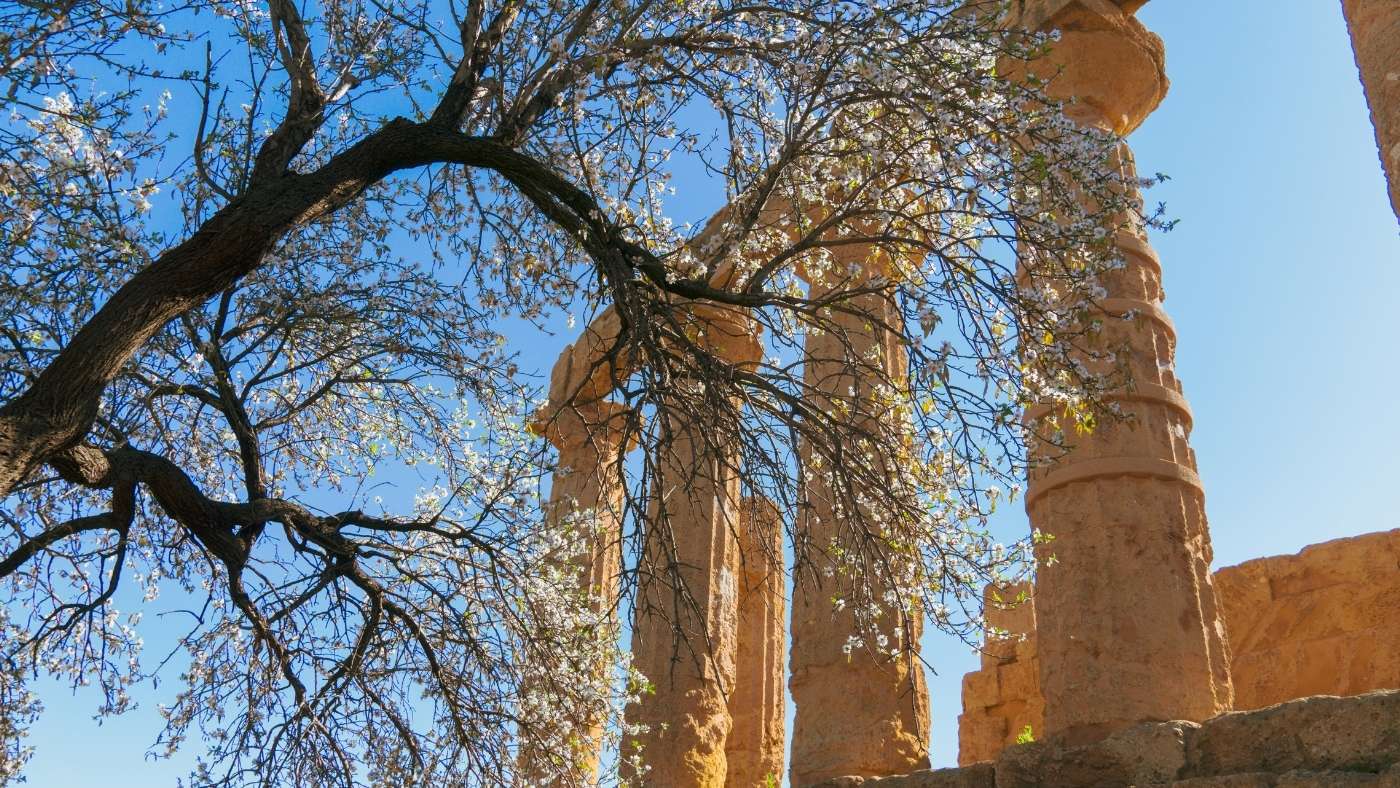
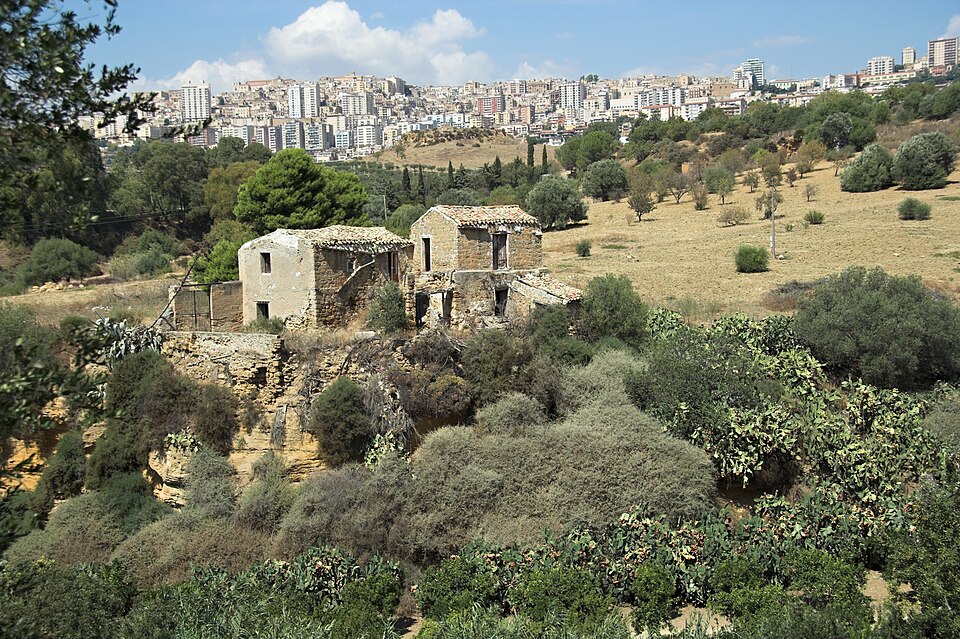
Although people refer to it as a valley, the archaeological park stretches across a scenic ridge overlooking the Mediterranean countryside. Olive groves, almond trees, and rolling hills surround the ancient monuments. Together, they create one of Sicily’s most breathtaking historic landscapes.

Visitors can explore several impressive landmarks throughout the park. Highlights include the Temple of Concordia, the Temple of Juno, the Temple of Heracles, and the remains of the Temple of Olympian Zeus. The beautiful Garden of Kolymbethra also offers a peaceful escape among citrus trees and Mediterranean vegetation.

Every monument tells part of the story of Ancient Greece in Sicily. At the same time, the surrounding landscape reveals why this area has fascinated travellers for centuries. History, archaeology, nature, and spectacular views combine to create an unforgettable experience.

Whether you’re planning your first trip to Sicily or exploring Agrigento in greater depth, the Valley of the Temples deserves a place on your itinerary. This guide covers its history, most important monuments, practical visitor information, and essential travel tips to help you plan a memorable visit.

A Brief History of the Valley of the Temples

The story of the Valley of the Temples begins with the ancient Greek city of Akragas. Greek settlers founded the city around 580 BC after arriving from Gela, another Greek colony on Sicily’s southern coast.

Over the following decades, Akragas grew into one of the richest and most influential cities in Magna Graecia. Fertile farmland, successful trade, and a strategic location helped the city prosper. As wealth increased, local leaders commissioned magnificent temples that reflected both their power and their devotion to the Greek gods.

Many of the temples visitors admire today date from the 6th and 5th centuries BC. Skilled craftsmen built them from the region’s distinctive golden limestone. Their impressive scale and elegant Doric design continue to attract visitors from around the world.

The city’s golden age reached its peak under the ruler Theron, who governed Akragas from 488 to 472 BC. After the Greek victory at the Battle of Himera in 480 BC, the city experienced rapid growth. During this prosperous period, builders expanded several major temples, including the magnificent Temple of Concordia and the enormous Temple of Olympian Zeus.

Prosperity did not last forever. In 406 BC, Carthaginian forces attacked and captured Akragas after a lengthy siege. The invasion caused widespread destruction, and many residents fled the city. Although later rulers rebuilt parts of Akragas, it never regained the wealth and influence of its golden age.

Over the following centuries, earthquakes, changing civilizations, and the reuse of building materials damaged many ancient structures. Fortunately, the Temple of Concordia survived in remarkable condition because Bishop Gregory of Agrigento converted it into a Christian church during the 6th century AD.

Today, the archaeological park covers approximately 1,300 hectares (3,200 acres), making it one of Europe’s largest archaeological parks. Visitors can explore temples, ancient city walls, sanctuaries, necropolises, and residential areas while discovering more than 2,500 years of history.

In 1997, UNESCO recognised the Archaeological Area of Agrigento as a World Heritage Site. Today, the Valley of the Temples stands as one of Italy’s greatest cultural treasures and remains one of Sicily’s most visited attractions.

The Must-See Temples and Monuments

Temple of Concordia

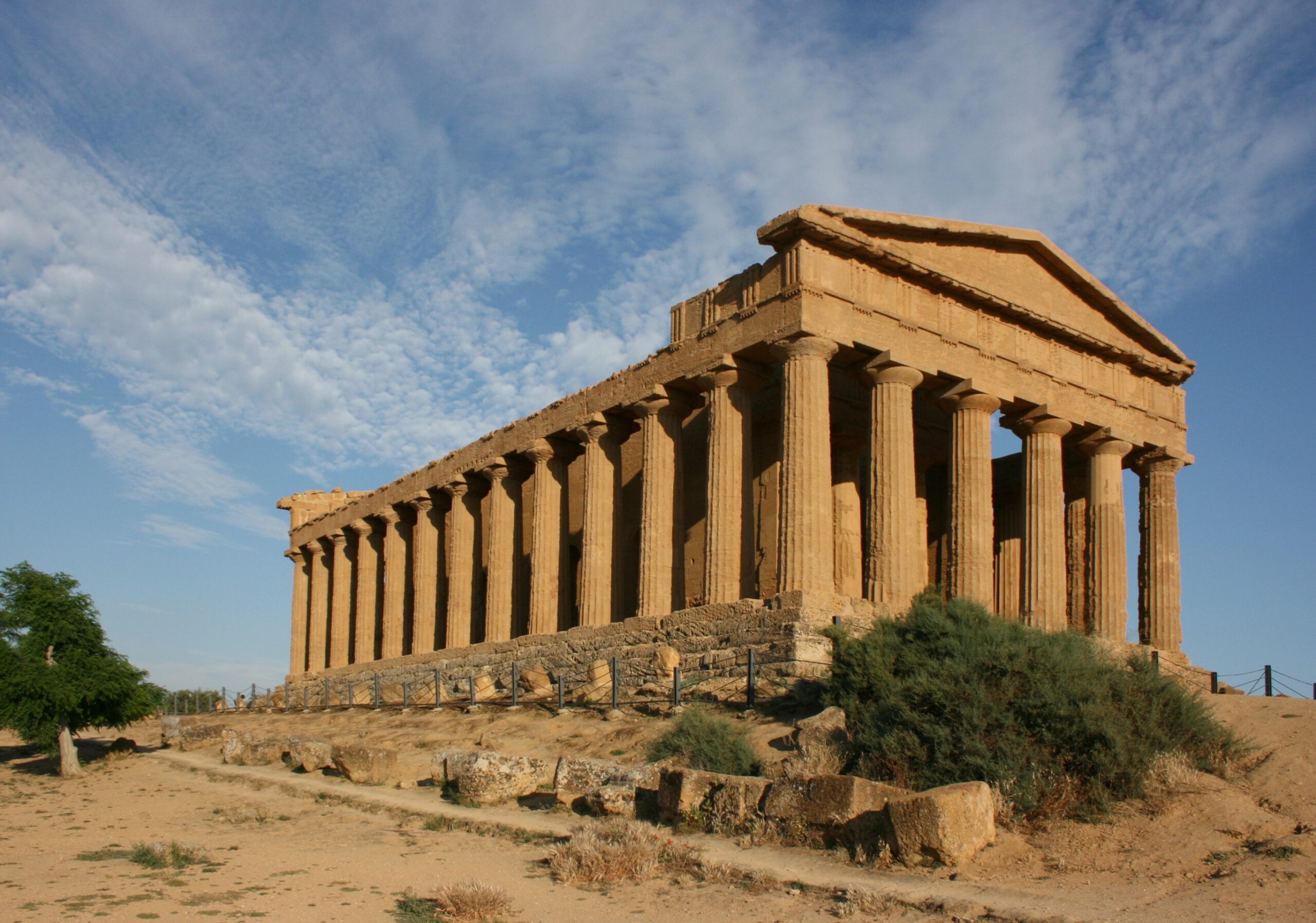
The Temple of Concordia stands as the undisputed highlight of the Valley of the Temples and ranks among the finest examples of ancient Greek architecture in the world. Greek builders constructed the temple between 440 and 430 BC, and its remarkable state of preservation makes it one of the best-preserved Doric temples outside Greece.

Although visitors know it today as the Temple of Concordia, historians believe the ancient Greeks dedicated it to a different deity. Archaeologists later adopted the current name after discovering an inscription nearby that mentioned “Concordia.” The temple’s original dedication, however, remains unknown.

Local craftsmen built the temple from the region’s distinctive golden sandstone using the traditional Doric style. The structure measures approximately 39.4 metres (129 feet) long and 16.9 metres (55 feet) wide. It features 34 fluted columns, with six at the front and rear and thirteen along each side. These balanced proportions demonstrate the precision and skill of ancient Greek architects.

The temple owes much of its exceptional preservation to an important change during the 6th century AD. Bishop Gregory of Agrigento converted the ancient temple into a Christian church, allowing later generations to preserve the structure instead of dismantling it for building materials, as happened to many other Greek temples.

As you explore the site, take time to admire the precision of the stonework and the subtle architectural refinements. Greek architects carefully adjusted the columns and horizontal lines to create the illusion of perfect symmetry when viewed from a distance. These techniques remain one of the defining features of Classical Greek architecture.

Many visitors choose to see the Temple of Concordia during the golden hour, shortly after sunrise or before sunset. At these times, warm Sicilian light illuminates the golden limestone and creates spectacular conditions for photography. After dark, carefully planned lighting highlights the temple and transforms it into one of Sicily’s most recognisable landmarks.

Today, the Temple of Concordia represents far more than an impressive ancient monument. It reflects the extraordinary craftsmanship, artistic vision, and engineering achievements of the ancient Greek world. Standing before its perfectly aligned columns, visitors can easily understand why the Valley of the Temples remains one of the Mediterranean’s greatest archaeological treasures.
Temple of Juno (Temple of Hera)

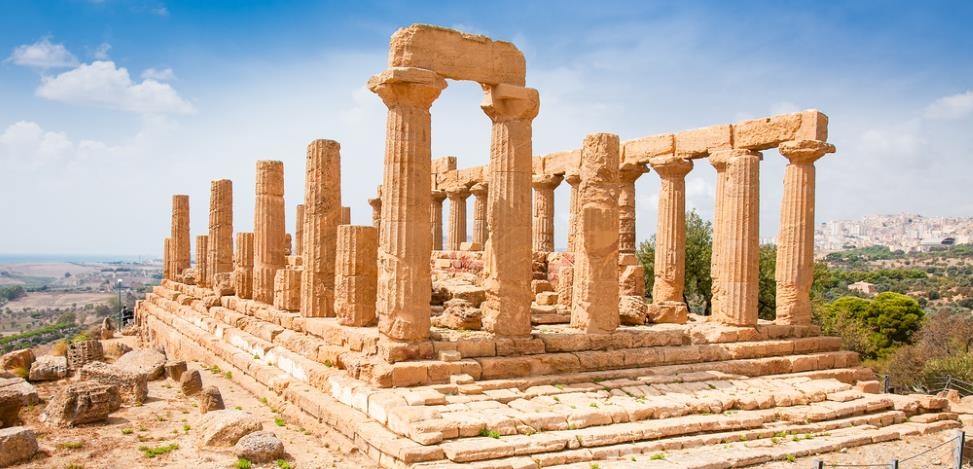
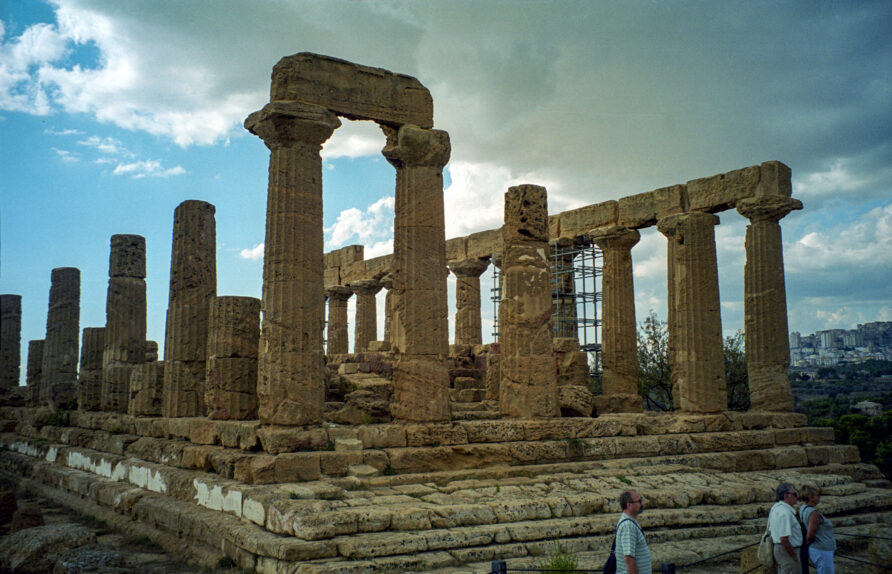
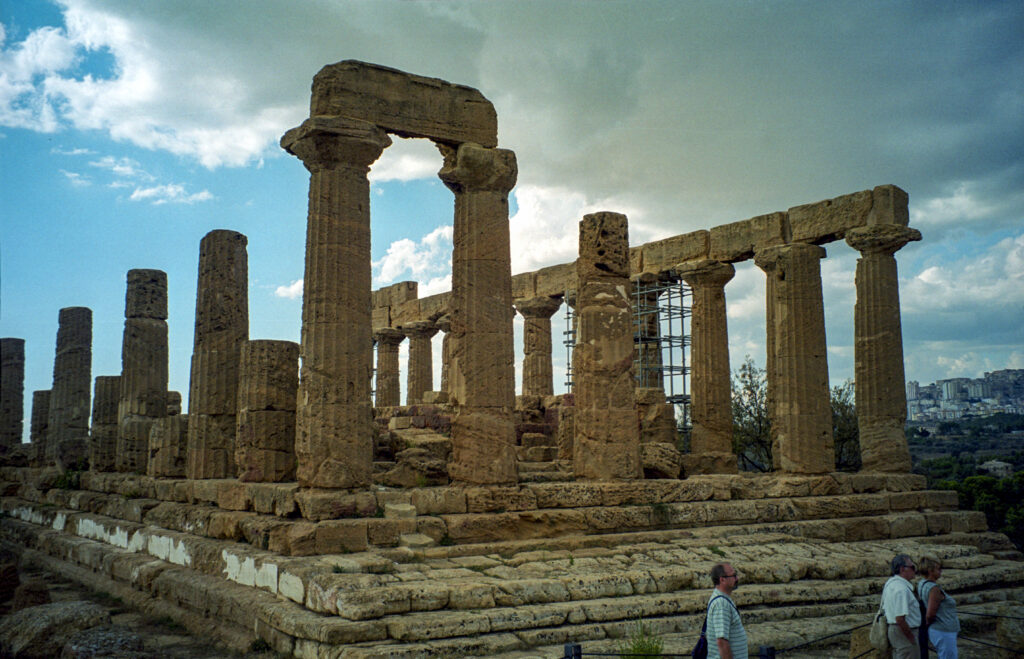
The Temple of Juno, also known as the Temple of Hera, stands at the eastern end of the Valley of the Temples. Its hilltop location offers some of the most spectacular views across the Sicilian countryside and the Mediterranean Sea. Builders completed the temple around 450 BC, making it one of the archaeological park’s most important monuments.

Although people traditionally associate the temple with Hera, the Greek goddess of marriage and family, archaeologists have found no definitive evidence that the ancient Greeks originally dedicated it to her. Historians gave the temple its modern name centuries after its construction, just as they did with several other monuments in the archaeological park.

The temple originally featured 34 Doric columns, many of which still stand today. These surviving columns allow visitors to admire the elegance, balance, and symmetry that define Classical Greek architecture. During the Carthaginian invasion of 406 BC, invading forces set fire to much of the structure. Today, visitors can still see traces of that destruction on parts of the original stone.

Today, the Temple of Juno is one of the most photographed landmarks in the archaeological park, particularly at sunrise and sunset when the golden limestone glows against the Sicilian landscape.
Temple of Heracles

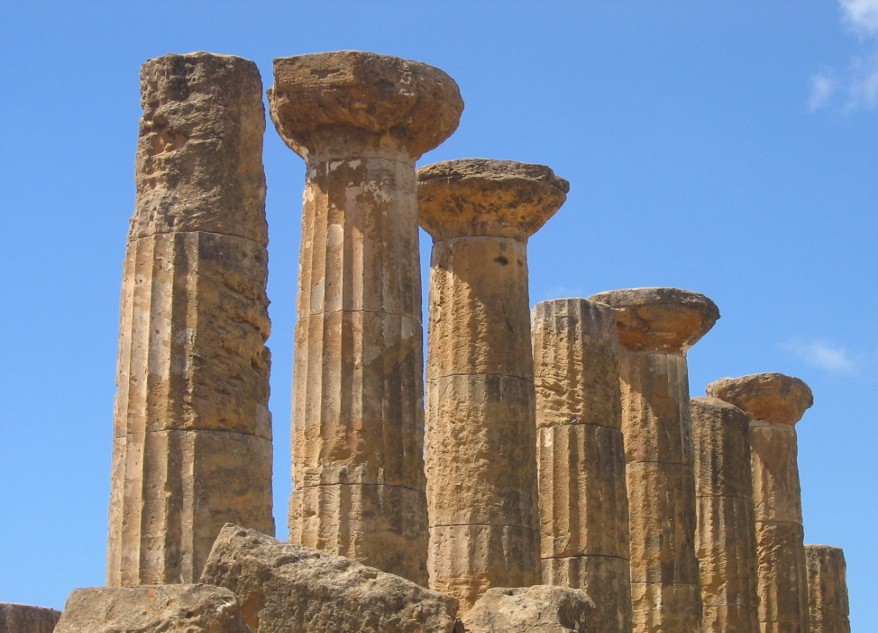
The Temple of Heracles is widely considered the oldest temple within the Valley of the Temples. Archaeologists believe construction began around the end of the 6th century BC, making it one of the earliest monumental buildings erected after the founding of Ancient Akragas.

Dedicated to Heracles, one of the most celebrated heroes of Greek mythology, the temple played an important role in the religious life of the ancient city. Historical sources suggest that it housed a famous bronze statue of Heracles that attracted pilgrims from across the Greek world.

Originally consisting of 38 Doric columns, the temple suffered extensive damage from earthquakes over many centuries. During the twentieth century, archaeologists carefully re-erected eight columns, giving visitors a better understanding of its original appearance.

Although only part of the temple survives today, its impressive scale and historical importance make it one of the archaeological park’s essential highlights.
Temple of Olympian Zeus

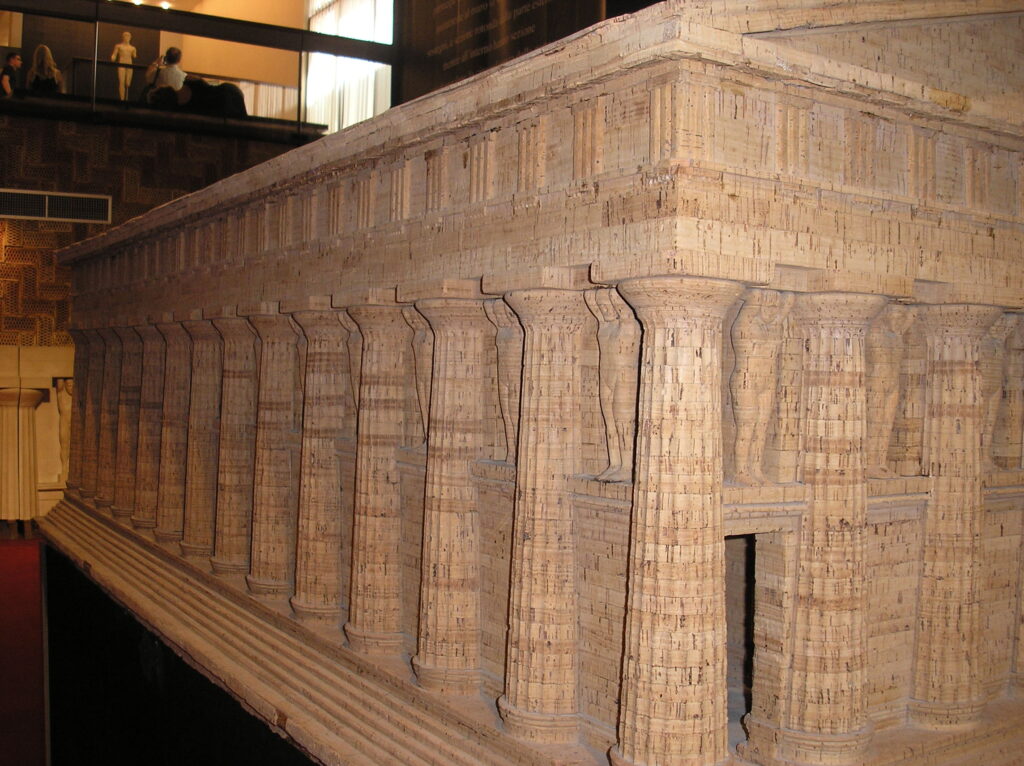
The Temple of Olympian Zeus, sometimes called the Temple of Jupiter Olympus, ranks among the largest Doric temples ever built in the ancient Greek world. Even in ruins, its enormous foundations reveal the scale and ambition of this remarkable monument.

Builders began construction shortly after the Greek victory over the Carthaginians at the Battle of Himera in 480 BC. At the time, Theron ruled Akragas, and the city enjoyed its greatest period of prosperity. Local leaders commissioned the temple to celebrate their military success and showcase the city’s growing wealth and influence.

Unlike most Greek temples, the Temple of Olympian Zeus featured enormous stone figures known as Telamons. These giant sculpted male figures stood about 7.5 metres (25 feet) tall and appeared to support sections of the building. Today, visitors can admire an original Telamon at the Regional Archaeological Museum Pietro Griffo. A full-size replica also rests within the archaeological park.

Builders never completed the temple, and later earthquakes caused extensive damage. Over the centuries, people also removed much of its stone for other construction projects. Despite these losses, the remaining foundations still demonstrate the extraordinary scale of one of the ancient world’s most ambitious architectural achievements.
OLYMPUS DIGITAL CAMERA

Temple of Castor and Pollux

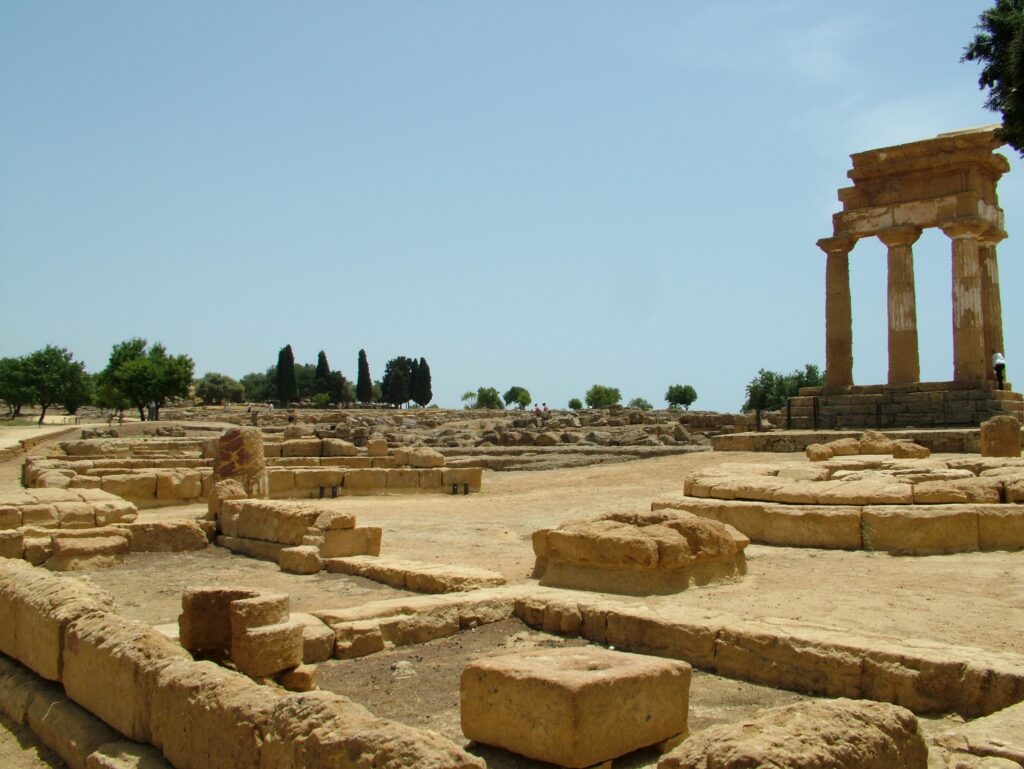
Although only four columns remain today, the Temple of Castor and Pollux has become one of Agrigento’s most recognisable landmarks. Visitors regularly photograph its elegant silhouette, and tourism campaigns.

Builders constructed the temple during the 5th century BC.This was part of a larger sacred sanctuary where the ancient Greeks held important religious ceremonies.

During archaeological excavations in the 19th century, experts reconstructed the famous four-column corner. They did this by using original architectural elements recovered from the site. Today, this striking reconstruction stands as one of the archaeological park’s most photographed monuments.

Its graceful silhouette against the Sicilian sky has made it one of the Valley of the Temples’ most iconic landmarks and a favourite stop for photographers exploring the park.

Sanctuary of the Chthonic Deities

Located near the Temple of Castor and Pollux, the Sanctuary of the Chthonic Deities is one of the oldest sacred areas within Ancient Akragas.

Before the construction of the city’s monumental temples, this sanctuary played a central role in the religious life of Ancient Akragas. Here, people worshipped deities associated with the earth, fertility, and the underworld.

Archaeologists have uncovered the remains of numerous altars, shrines, and ritual spaces that provide valuable insight into the spiritual life of the city’s earliest inhabitants.

Although less visually imposing than the larger temples, the sanctuary offers a fascinating glimpse into the evolution of Greek religious practices in Sicily.
The Garden of Kolymbethra

Hidden within the heart of the archaeological park lies the enchanting Garden of Kolymbethra, a peaceful oasis managed by the Italian Environment Fund (FAI).

Originally created more than 2,500 years ago as a vast water reservoir supplying Ancient Akragas, the area has evolved into a flourishing Mediterranean garden filled with citrus orchards, olive trees, almond trees, fragrant herbs, and traditional Sicilian vegetation.

Today, shaded walking paths wind through the garden, providing a refreshing contrast to the sunlit archaeological ruins above. Along the way, visitors can discover ancient irrigation systems, historic dry-stone walls, caves, and spectacular viewpoints overlooking the temples.

For many travellers, the Garden of Kolymbethra offers one of the most relaxing and picturesque experiences within the Valley of the Temples, combining archaeology, nature, and Sicily’s rich agricultural heritage in one unforgettable setting.

Planning Your Visit

The Valley of the Temples is one of Sicily’s most rewarding attractions and deserves at least three to four hours to explore comfortably. The archaeological park is extensive, with gently sloping paths connecting the major monuments, so comfortable walking shoes are highly recommended.

The best times to visit are early in the morning or late in the afternoon, particularly during the warmer months when temperatures can be high. Visiting during these quieter hours also offers softer light, making it an excellent time for photography. Spring and autumn are generally considered the most pleasant seasons, thanks to their mild weather and fewer crowds.

Be sure to bring water, sunscreen, a hat, and a camera, as there is limited shade throughout much of the archaeological area.

Tickets & Essential Visitor Information

Before travelling, it’s always advisable to check the official Valley of the Temples website. There you will find for the latest opening hours, admission prices, guided tours, and any temporary exhibitions or special events.

At the archaeological park you’ll find visitor facilities including parking areas, restrooms, cafés, gift shops, and information points. Audio guides and guided tours are also available. This is excellent for those wishing to gain a deeper understanding of the site’s fascinating history.

Ticket prices may vary depending on the season and special events. We suggest checking the official website before your visit is highly recommended.

Things to See Near the Valley of the Temples

Your visit to Agrigento doesn’t have to end at the archaeological park. Just a short distance away you’ll find the charming historic centre of Agrigento. Narrow streets, medieval churches, lively piazzas, and traditional Sicilian restaurants showcase another side of the city’s rich heritage.

History enthusiasts should also consider visiting the Regional Archaeological Museum Pietro Griffo. It is home to one of Sicily’s most important collections of Greek artefacts. Some of them including the famous Telamon from the Temple of Olympian Zeus.

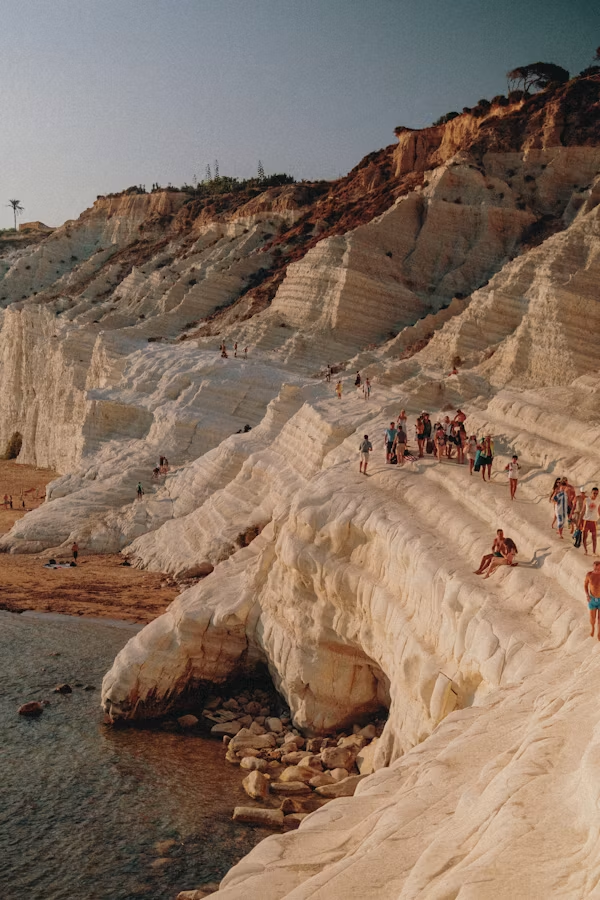
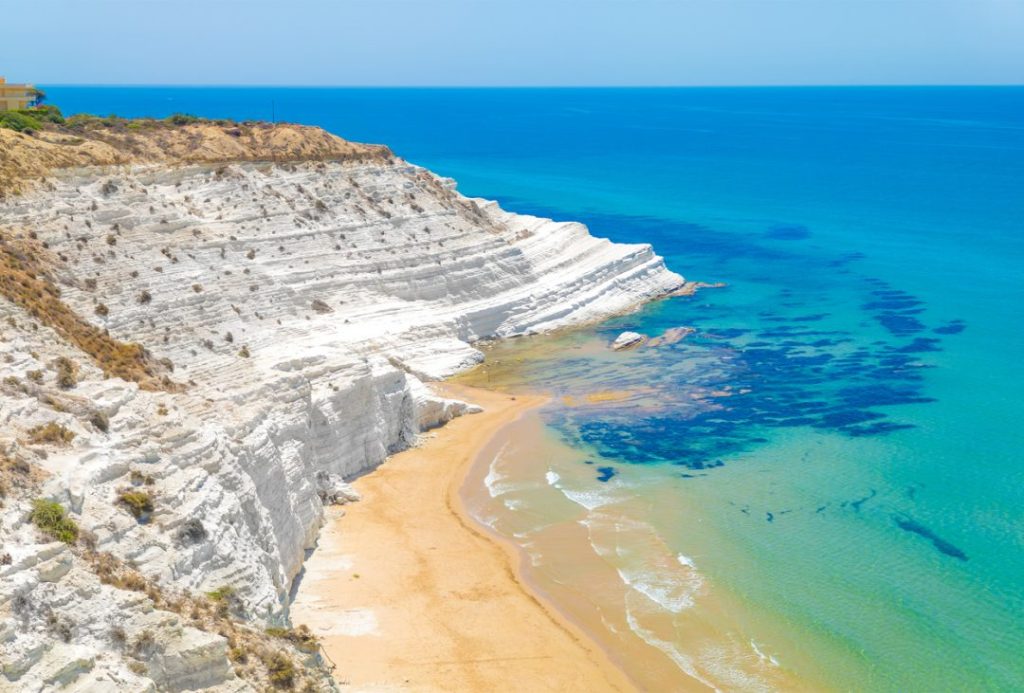
If you’re looking to combine history with the coast, the spectacular white limestone cliffs of Scala dei Turchi are only a short drive away and are among Sicily’s most photographed natural landmarks.

Frequently Asked Questions

How long does it take to visit the Valley of the Temples?
Most visitors spend between three and four hours exploring the archaeological park, although history enthusiasts may wish to allow additional time.

Is the site suitable for families?
Yes. The park is family-friendly, although younger children may find parts of the walk challenging during the hottest summer months.

When is the best time to visit?
Spring and autumn generally offer the most comfortable temperatures. During summer, early morning or late afternoon visits are recommended.

Are guided tours available?
Yes. Visitors can choose from guided tours or audio guides to better understand the history and significance of the archaeological site.
Why Sicily Feels Different From Italy: History, Culture and Lifestyle Explained

One of the questions visitors ask most often is:

“Is Sicily part of Italy?”

At first glance, it’s an understandable question.

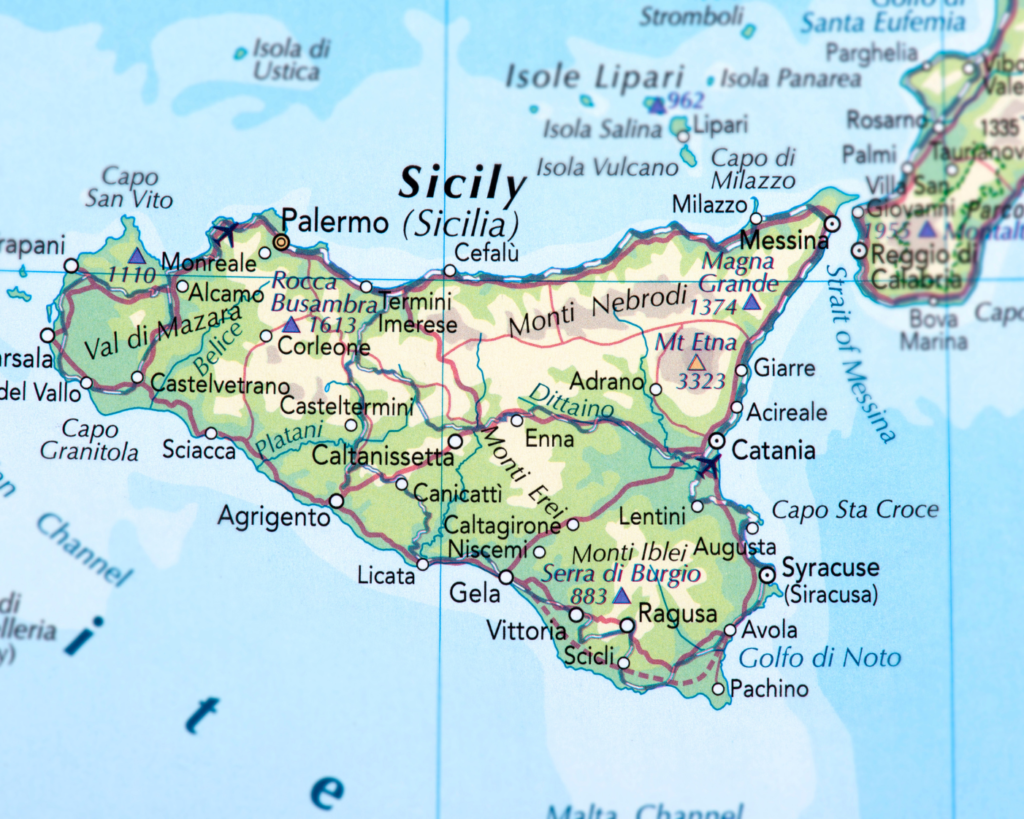
Open a map and you’ll see Italy, Sicily, Sardinia, and a collection of islands scattered throughout the Mediterranean.

To many visitors, Sicily feels so distinct that they begin to wonder.

Is it really part of Italy?

Then they arrive.

They notice the food is different.

The architecture is different.

The pace of life is different.

Even the conversations around them sound different.

Many travellers quickly discover why Sicily feels so different from Italy.

Suddenly, another question follows:

“Are Sicilians Italian?”

The answer is yes.

Yes, Sicily is part of Italy.

Yes, Sicilians are Italian citizens.

Yes, Sicilians speak Italian.

However, the story is far more interesting than that.

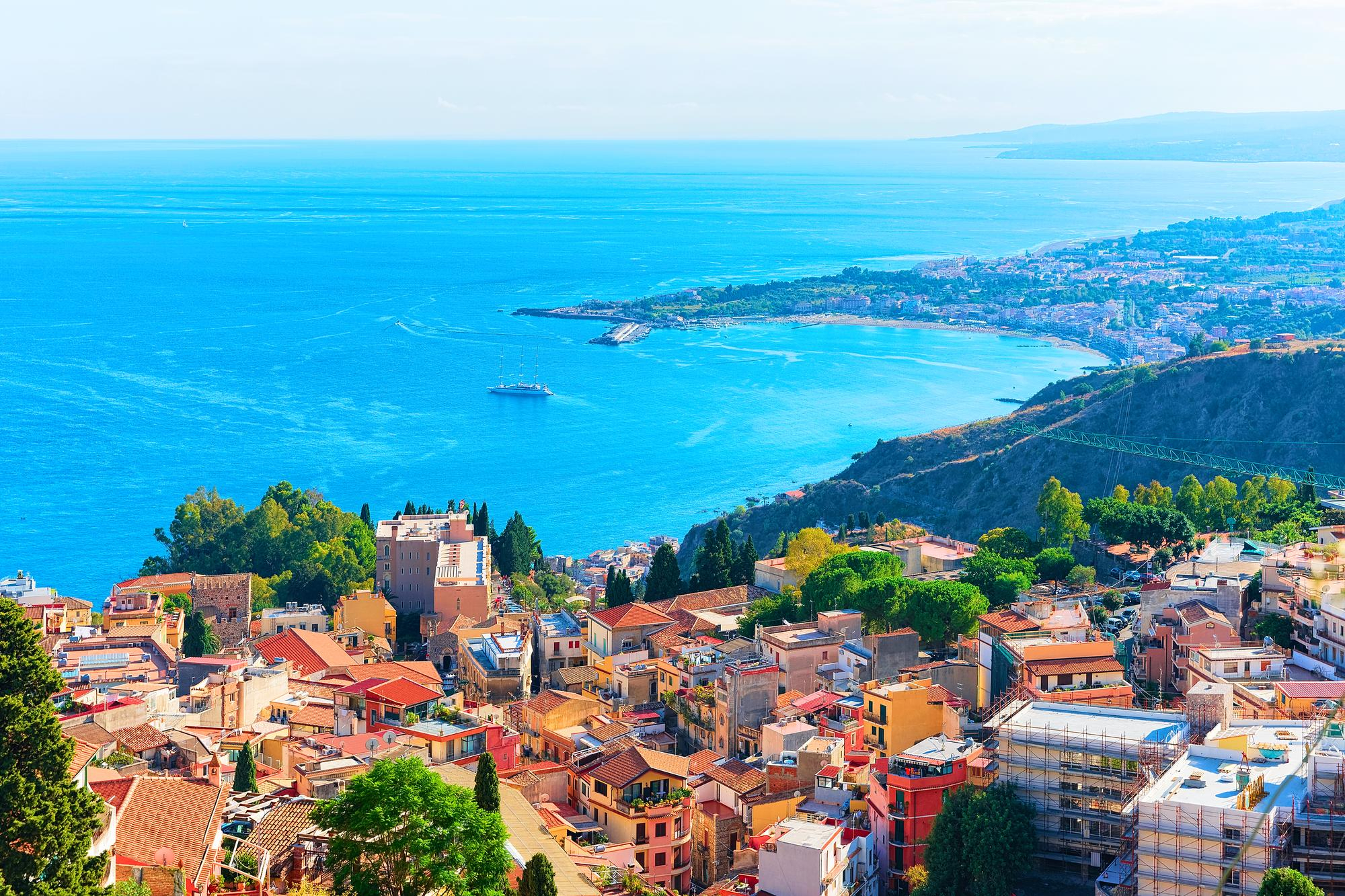
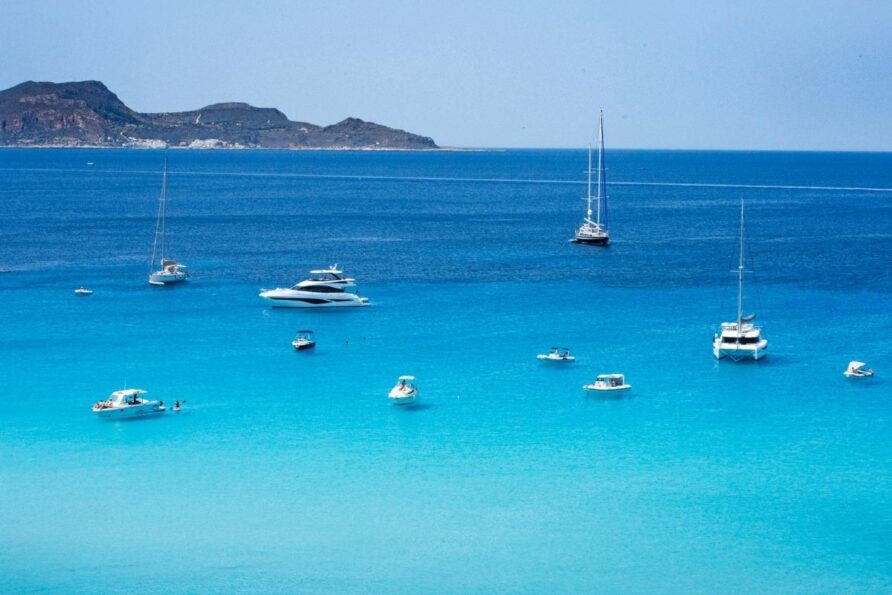
Top view of the beautiful beach of Punta Faro in Sicily. Messina, Italy.

It’s Not What You See. It’s What You Feel.

Visitors often arrive in Sicily expecting to fall in love with the scenery.

And they do.

The beaches are beautiful. The food is unforgettable. The villages seem frozen in time.

Yet when people talk about Sicily after they return home, they rarely talk about a single beach or a single meal.

Instead, they talk about a feeling.

A feeling they struggle to explain.

Some describe it as nostalgia for a place they had never visited before.

Others say they felt more connected, more present, or somehow more alive.

Many return home and find themselves missing things they never thought they would miss.

The sound of church bells drifting through a town square.

The old men sitting outside the same café every morning.

The way strangers stop to talk.

The smell of coffee and fresh bread on a quiet street.

The evening passeggiata when entire families emerge to walk, talk, and simply be together.

Sicily has a way of reminding people of something many of us have lost.

Time.

Not more time.

A different relationship with time.

Perhaps that is why so many visitors return again and again.

They come for the beaches, the food, and the history.

But they return for a feeling they cannot quite put into words.

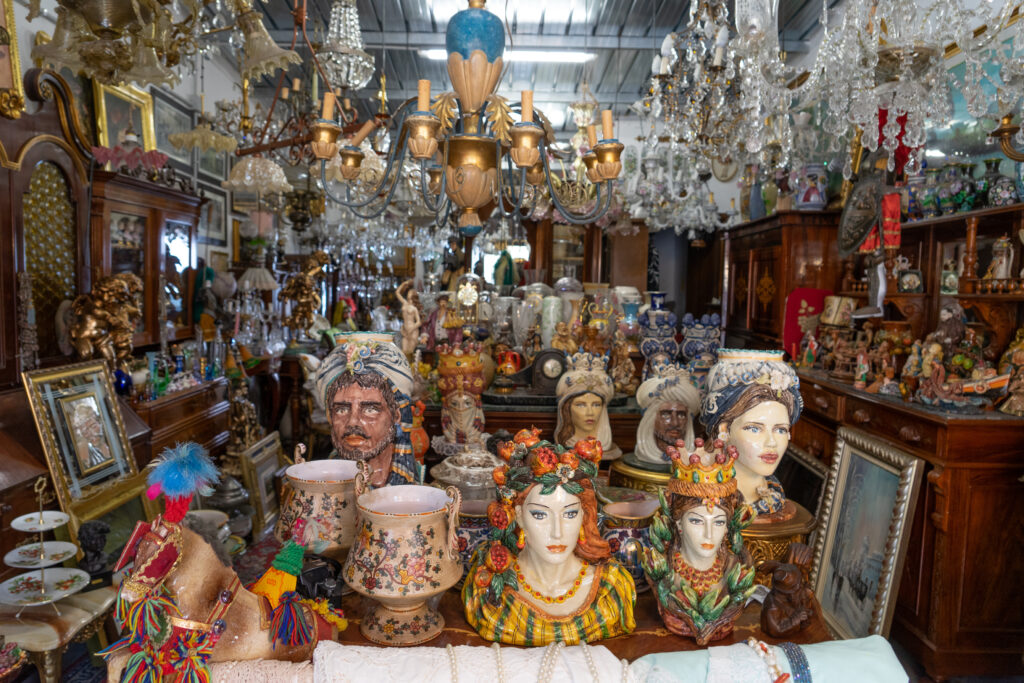
sicilian ceramic trinkets for sale
Italy, Sicily, Taormina, sicilian ceramic gadgets for sale

Sicily Will Always Be Sicily

Perhaps that is why visitors ask the question so often.

Not because Sicily isn’t Italy.

But because Sicily feels like something entirely its own.

There is a spirit here that cannot be measured on a map, explained by borders, or defined by politics.

It lives in the family gatherings that last for hours. It lives in the stories passed from one generation to the next. It lives in the recipes, traditions, dialects, celebrations, and way of life that have survived for centuries.

Sicily may be part of Italy, but it has never lost its own identity.

And it never will.

Long before modern Italy existed, Sicily was Sicily.

Today, it remains Sicily.

Not better. Not worse. Simply different.

A place with its own character, its own rhythm, and its own soul.

Perhaps that is why so many visitors arrive expecting another Italian destination and leave feeling they have discovered something far more unique.

Because once you experience Sicily, you stop asking whether it is part of Italy.

You begin to understand that Sicily is something that can only truly be described as Sicily.

Cefalù Has It All: Why It’s the Perfect Home Base for Your Sicilian Adventure

Most travellers arrive in Sicily with the same challenge. How do you see as much of Sicily as possible in a short amount of time?

What location will help me get the most out of my stay?

From golden beaches and historic towns to incredible food, mountain villages, and authentic Sicilian culture, there is no shortage of places to discover.

The problem is choosing where to stay.

Many visitors spend their holiday constantly changing hotels. They pack, unpack, and spend valuable time on the road.

Cefalù offers a different approach.

Located on Sicily’s northern coast, Cefalù places you at the centre of everything.

It is easy to reach by train and well connected to Palermo and the rest of the island. Visitors can explore Sicily by day and return each evening to one of the island’s most beautiful seaside towns.

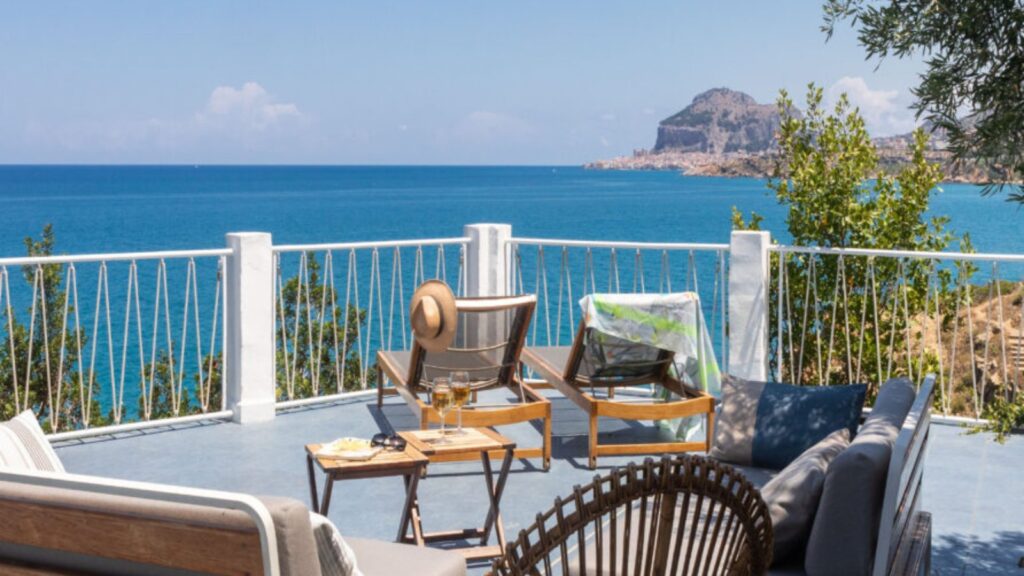
Aerial view of a coastline and big rock near Cefalu, Sicily, Italy.

A Town Where You Barely Need a Car

One of Cefalù’s greatest strengths is its walkability.

From the moment you arrive, much of what you need is within walking distance.

The beach sits beside the historic centre.

Restaurants line the waterfront and weave through the old town streets.

The train station is close enough to make day trips simple.

Many visitors spend days exploring without ever getting behind the wheel.

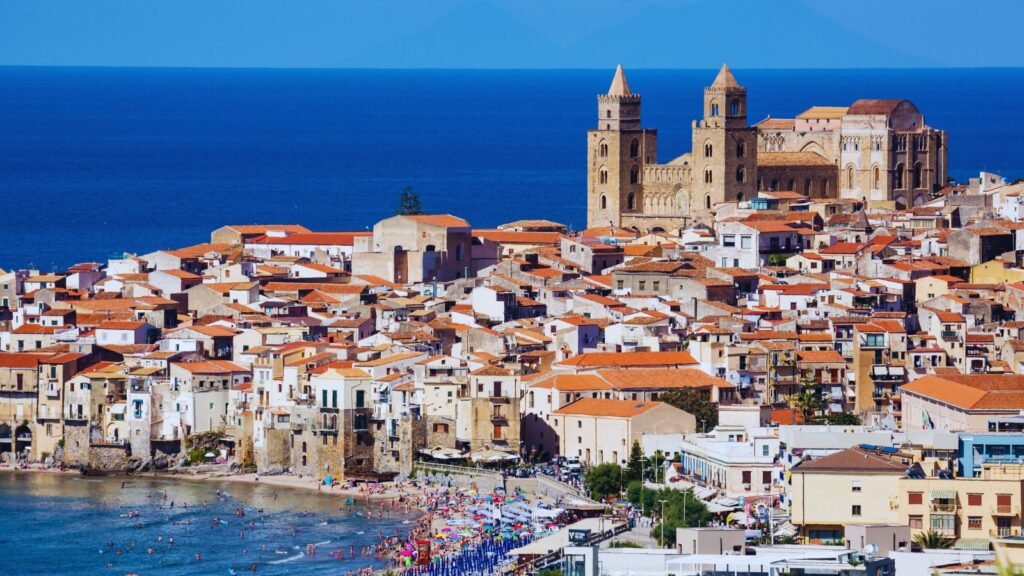
Beautiful view of the beach, Cefalu Cathedral and old town of coastal city Cefalu at sunset, Sicily, Italy

History at Every Turn

Few towns combine history and scenery as effortlessly as Cefalù.

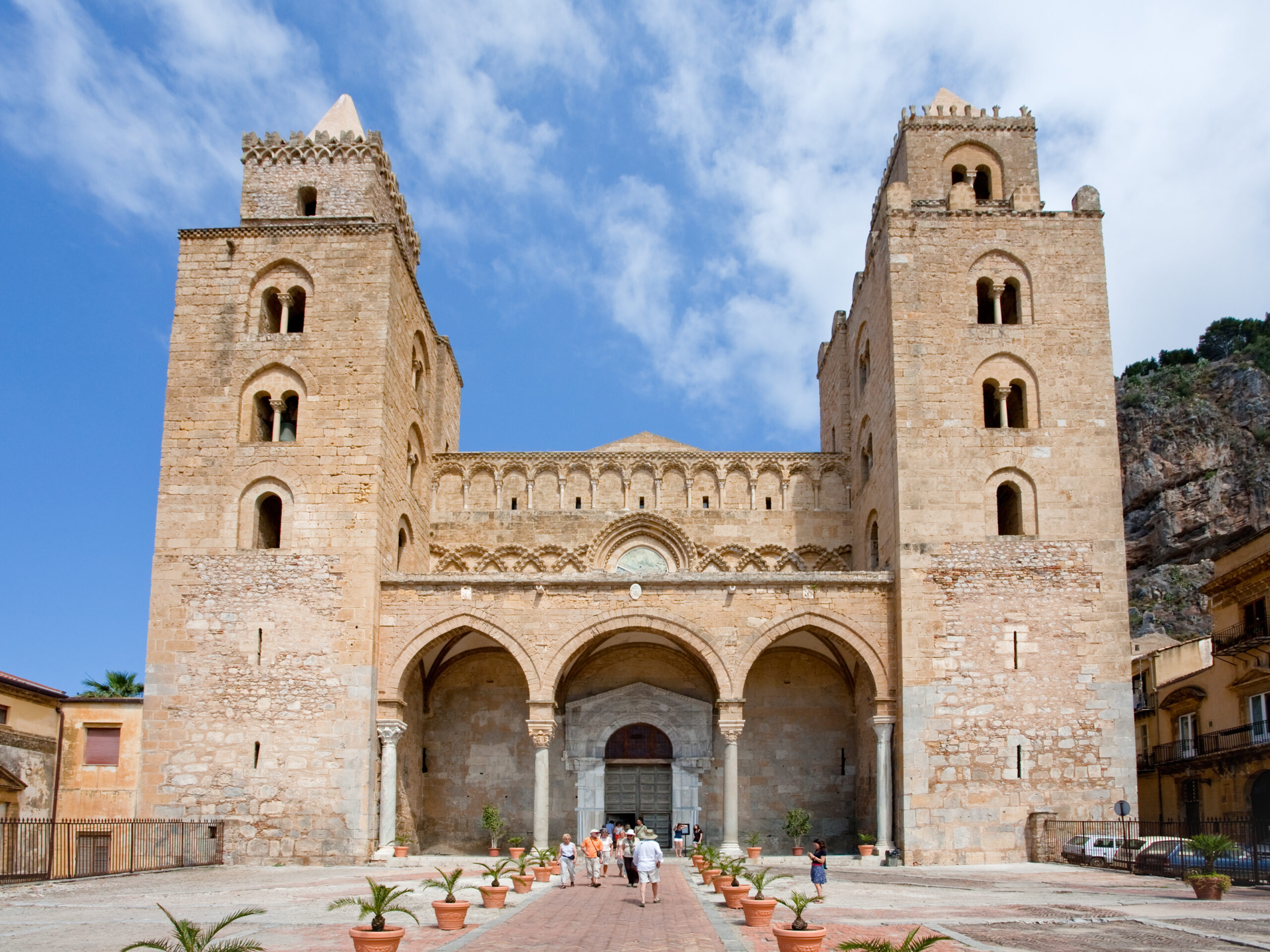
The town is dominated by its magnificent Norman Cathedral. Built in the twelfth century, it remains one of Sicily’s most important landmarks and is part of a UNESCO World Heritage site.
Just above the town rises La Rocca.

This dramatic rock formation towers above Cefalù and rewards visitors with breathtaking views across the coastline. The climb is one of the most memorable experiences in northern Sicily.

The Sicily Travellers Dream About

What makes Cefalù special is not only what it has.

It is what it has managed to keep.

Many destinations lose part of their character as tourism grows.

Cefalù remains unmistakably Sicilian.

Local families still gather in the piazzas.

Fishermen still work along the coast.

Life continues at a pace that feels authentic rather than manufactured.

This is the Sicily many travellers hope to find.

From Cinema to International Fame

Film lovers often recognise Cefalù immediately.

The town has appeared in several internationally known productions and continues to attract visitors drawn by its cinematic beauty. Some scenes connected to Giuseppe Tornatore’s work and other major productions have helped introduce Cefalù to audiences around the world.

Yet despite its popularity, Cefalù never feels like a movie set.

It remains a living town with real character.

Endless Sea Views and Waterfront Dining

Many coastal towns have one or two restaurants with a sea view.

Cefalù offers far more.

Throughout the historic centre and along the waterfront, visitors will find restaurants perched above the sea, terraces overlooking the beach, and cafés where the Mediterranean forms the backdrop to every meal.

Morning coffee, long lunches, sunset aperitivi, and fresh seafood dinners all come with a view.

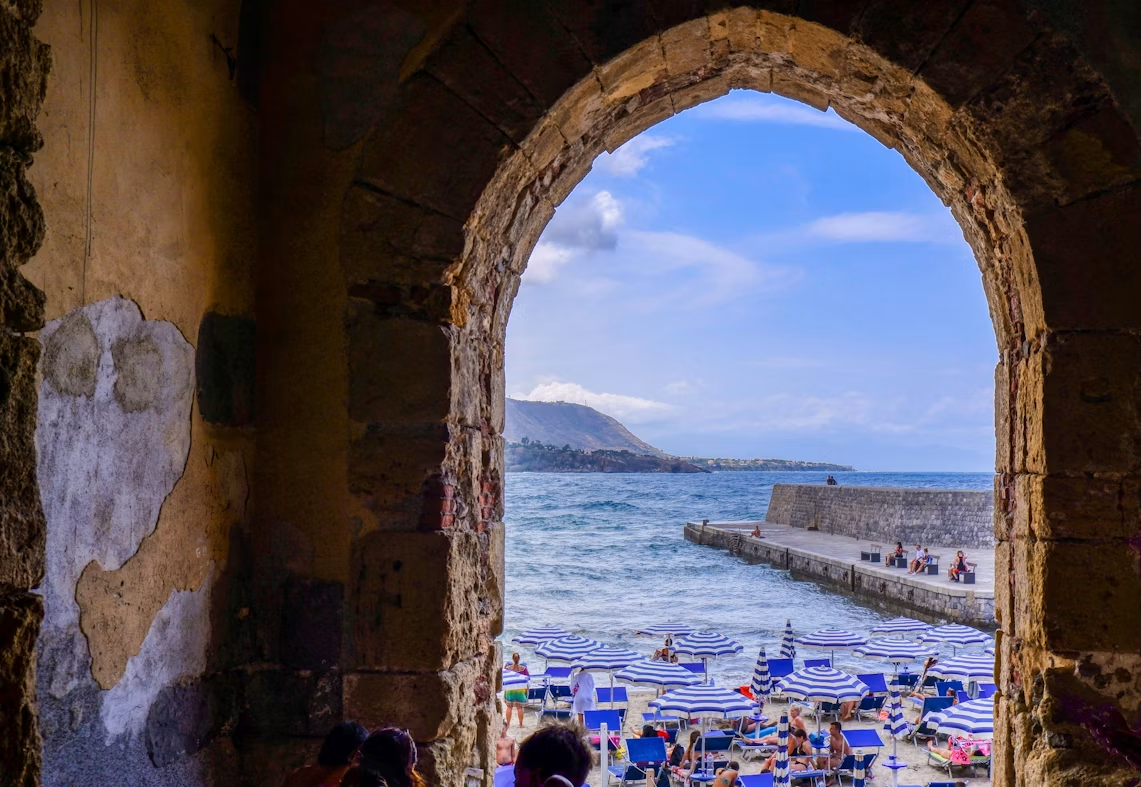
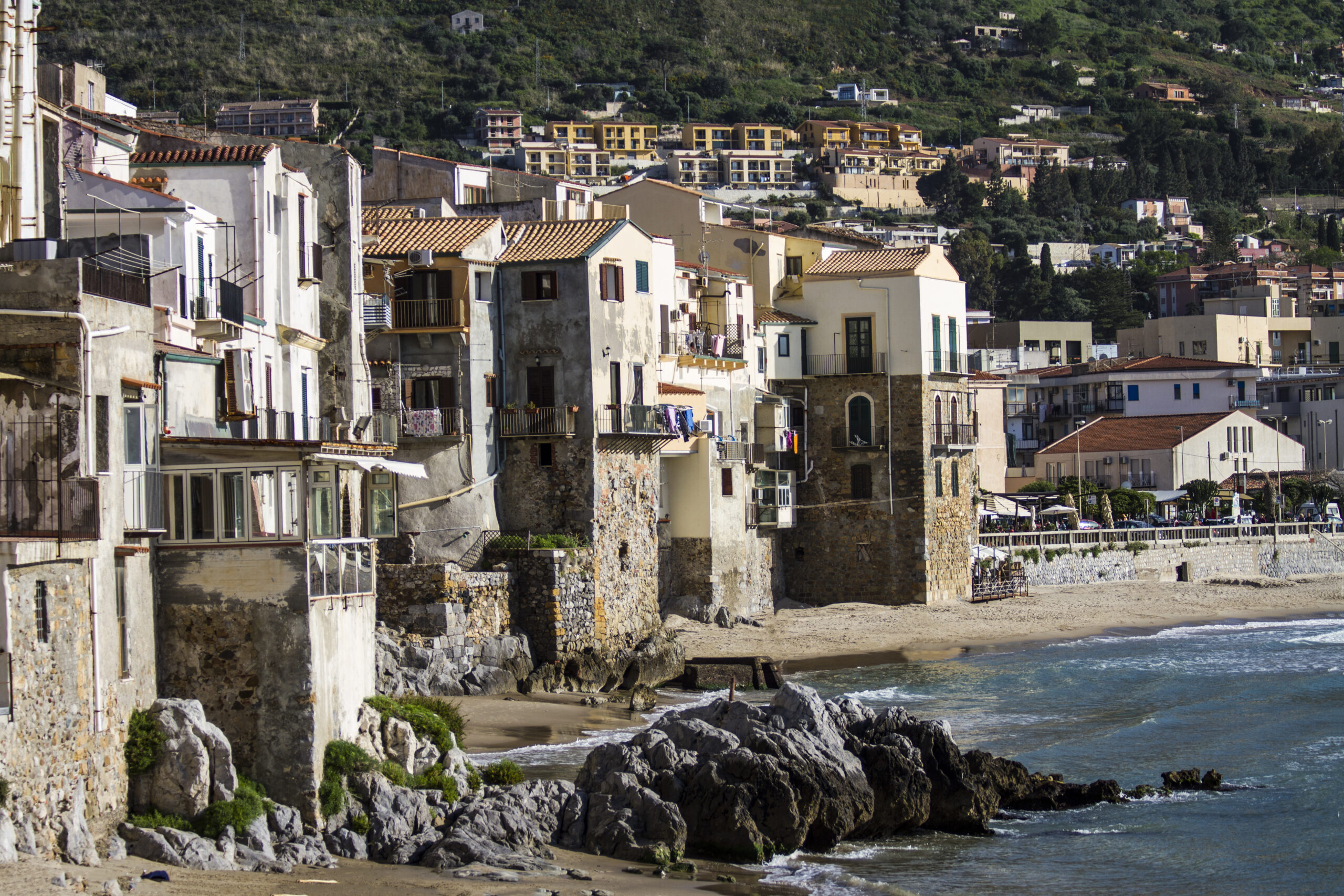
Sandy beach and old houses by the sea in Cefalu, Sicily, Italy

Discover Sant’Ambrogio

Just a short drive from Cefalù lies one of the area’s hidden treasures.

Sant’Ambrogio is a small village overlooking the sea within the Madonie region. Narrow streets, local traditions, olive groves, and spectacular coastal views make it feel like a glimpse into another Sicily.

It is the kind of place many visitors remember long after their holiday ends.

Beaches, Mountains, and Day Trips

Few destinations offer such variety.

Spend the morning on Cefalù’s sandy beach.

Explore La Rocca in the afternoon or the Duomo di Cefalù.

Enjoy dinner overlooking the sea.

The following day, visit Palermo, discover the Madonie Mountains, or explore nearby villages such as Pollina and Castelbuono.

Everything is within reach.

medieval norman Cathedral in Cefalu, Sicily, Italy on June 25, 2011

Experience Sicily from a Luxury Villa in Cefalù

Choosing Cefalù as your base allows you to experience Sicily without compromise.

Not only do you remain close to beaches, history, restaurants, but you are also perfectly positioned for exploring the rest of the island.

In addition, many of Sicily’s most rewarding destinations can be reached easily on a day trip.

a result, travellers can enjoy the perfect balance between relaxation and exploration.

Ultimately, Cefalù offers everything needed for an unforgettable Sicilian adventure.

Luxury Sicily Villas, Award-Winning Restaurants & Beautiful Beaches: The Ultimate Sicilian Experience

Discover Sicily’s Finest Luxury Villas and Dining Experiences

Sicily combines breathtaking scenery, rich history, and exceptional cuisine. Few destinations offer such a complete travel experience. Staying in a luxury Sicily villa allows you to experience the island in comfort and style. Enjoy private pools, stunning views, and exclusive locations.

Across the island, luxury Sicily villas can be found beside golden beaches, historic towns, and beautiful countryside landscapes. Each day brings new discoveries. Explore ancient streets, visit charming coastal villages, or relax by the sea.

Sicilian cuisine is equally unforgettable. Fresh seafood, local ingredients, and traditional recipes define the island’s culinary heritage. Award-winning chefs continue to elevate Sicily’s reputation as one of Italy’s leading food destinations. Many of Sicily’s finest restaurants sit within easy reach of exceptional villas.

This combination creates the perfect setting for a memorable holiday. Imagine returning to your private villa after a day of sightseeing. Spend the evening enjoying outstanding food and local wines.

This guide highlights some of the best luxury Sicily villas located near acclaimed dining destinations. Each property offers comfort, character, and easy access to remarkable experiences. Whether planning a romantic escape, a family holiday, or a food-focused journey, these villas provide an ideal base for exploring Sicily.

Siracusa & Ortigia: Historic Beauty and Exceptional Dining

Few destinations in Sicily combine history, culture, and gastronomy as beautifully as Siracusa and Ortigia. This UNESCO-listed area is known for its ancient Greek heritage, stunning seaside views, vibrant markets, and some of Sicily’s most celebrated restaurants.

For guests staying in a luxury Sicily villa, Siracusa and Ortigia offer the perfect balance of relaxation and discovery. Spend the morning exploring centuries-old streets, enjoy an afternoon by your private pool, and finish the day with an unforgettable dining experience.

Cortile Spirito Santo

Located in the heart of Siracusa, Cortile Spirito Santo has earned recognition for its refined approach to Sicilian cuisine. The restaurant combines traditional flavours with modern techniques, creating dishes that showcase the very best of local ingredients.

Fresh seafood, seasonal produce, and carefully selected Sicilian wines make this one of the area’s most sought-after dining experiences.

Stay Nearby: Villa Acquamarina

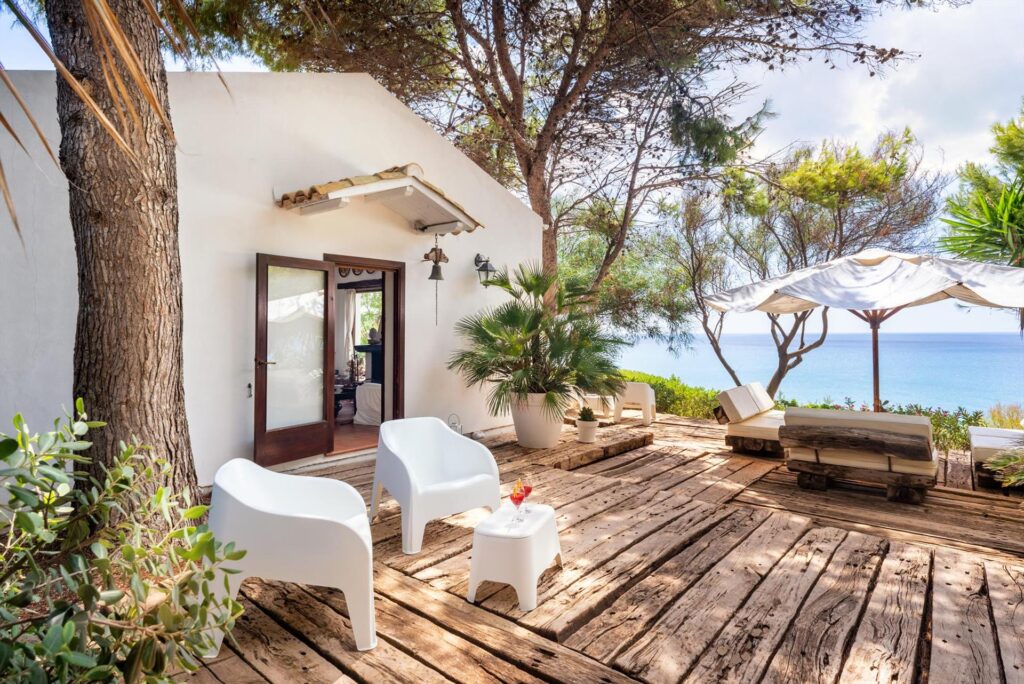
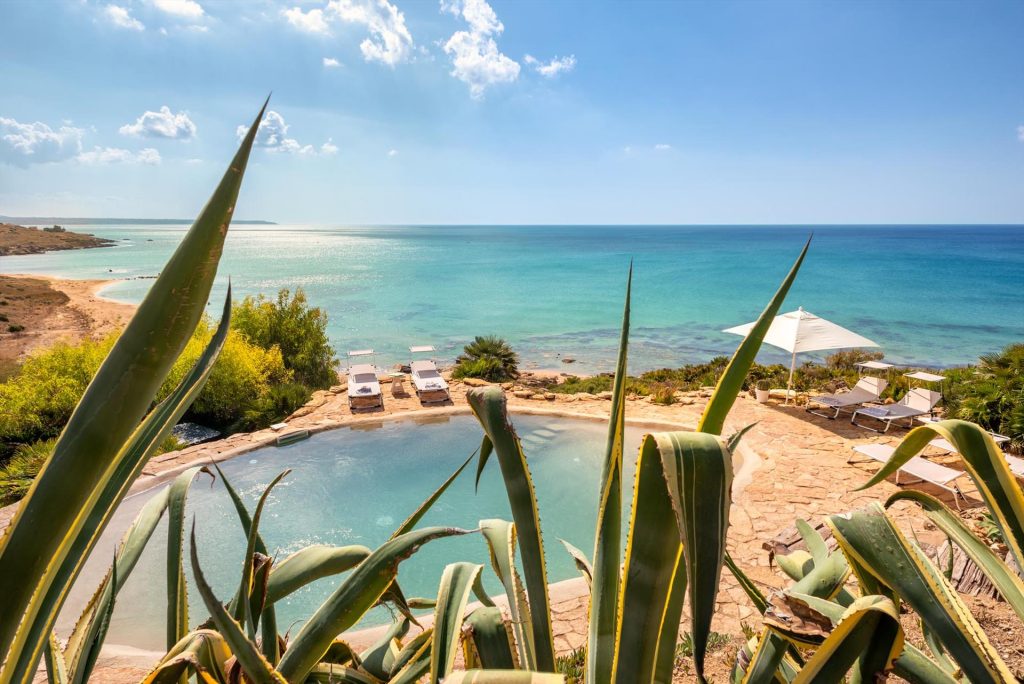
Hidden within a private coastal reserve, Villa Acquamarina offers peace, privacy, and direct access to the sea.

Nature surrounds every corner of the property. Pine trees, eucalyptus, and Mediterranean vegetation create a tranquil setting.
A private path leads to a secluded sandy beach. A sea-view pagoda provides the perfect spot to relax.

Endless coastal views stretch across the horizon. Sunrises and sunsets are especially memorable here.
Outdoor living takes centre stage. Spacious terraces invite long lunches and quiet evenings.

The bio-designed swimming pool blends naturally into the landscape. Its design reflects the beauty of a natural lagoon.
Comfortable seating areas are thoughtfully placed throughout the grounds. Every space encourages relaxation.
Traditional Sicilian character meets modern comfort indoors. Warm interiors create a welcoming atmosphere.

Wildlife is part of the experience. Friendly donkeys, cats, and birds share this unique natural environment.
A scenic coastal walk leads to Marinella di Selinunte. Here, guests can enjoy excellent local cuisine beside the sea.
Villa Acquamarina is ideal for travellers seeking nature, privacy, and an authentic Sicilian escape.
Don Camillo

Nestled within Ortigia’s historic centre, Don Camillo is one of the area’s most respected restaurants. Known for its intimate atmosphere, exceptional wine selection, and sophisticated Sicilian cuisine, it has become a favourite among both locals and international visitors.
Dining here is more than a meal; it is an opportunity to experience Sicily’s rich culinary heritage in one of the island’s most beautiful settings.

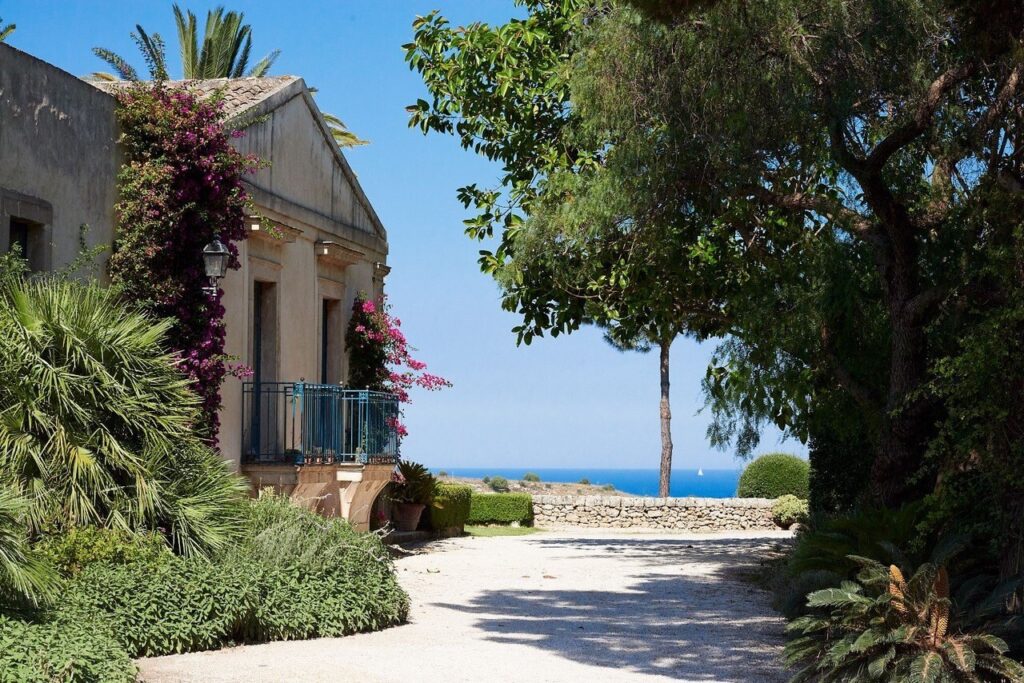
Stay Nearby: Villa Feudale

Villa Feudale History, elegance, and space come together at Villa Feudale. This remarkable Sicilian estate welcomes up to 24 guests in a setting rich with character and tradition.

Dating back to the 13th century, the property has been carefully restored while preserving its historic charm. Original architectural features sit alongside modern comforts.

Sweeping views stretch across the countryside towards Mount Etna and the sea. The estate enjoys a peaceful position near Brucoli, yet remains within easy reach of Syracuse, Noto, and Taormina.

At the heart of the property lies a beautiful courtyard surrounded by elegant guest suites. Each bedroom offers privacy, comfort, and its own en-suite bathroom.

Grand reception rooms, a library, formal gardens, and inviting outdoor spaces create a unique atmosphere. Every corner reflects centuries of Sicilian heritage.

Days here are best spent outdoors. Guests can relax beside the large swimming pool, unwind in the Turkish bath and sauna, or gather for long meals outdoors.

Set within extensive private grounds, Villa Feudale offers space to celebrate, reconnect, and enjoy Sicily at a slower pace.

For travellers who value exceptional food and authentic experiences, Villa Feudale is an excellent choice.

Noto & San Lorenzo: Sicily’s Most Elegant Escape

Few places capture the essence of Sicily quite like Noto and San Lorenzo.

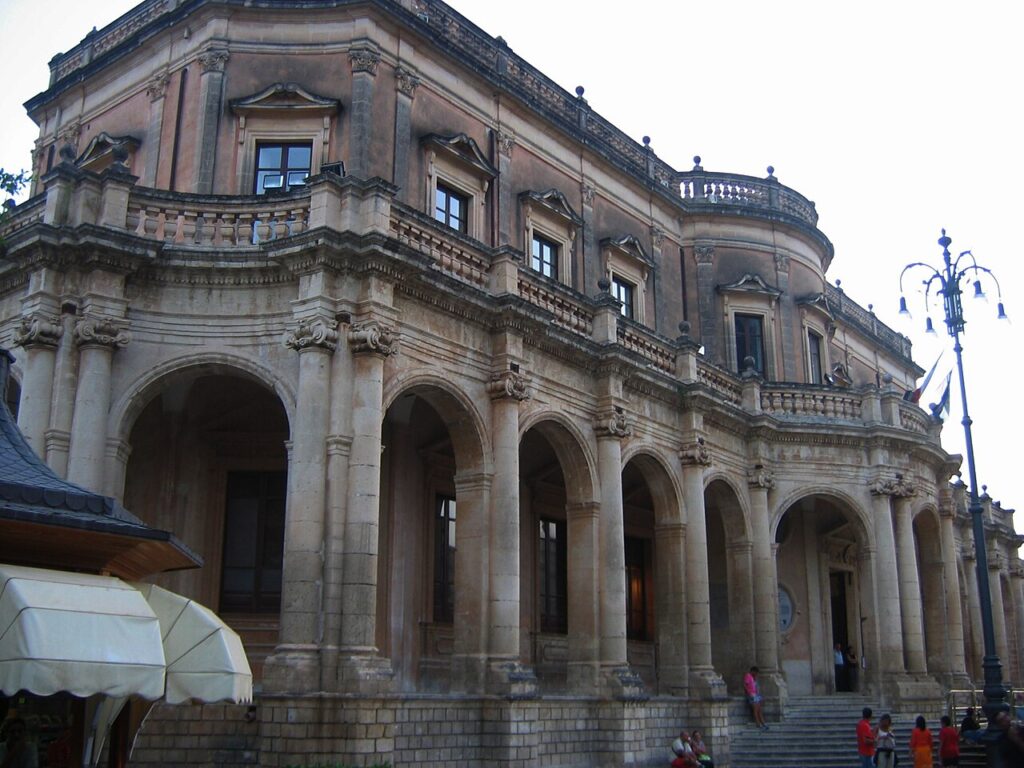
Known for their golden beaches, baroque architecture,this corner of southeastern Sicily has become a favourite destination for travellers seeking authenticity, luxury, and exceptional food.

Guests staying in a luxury Sicily villa in this region can enjoy the best of both worlds. Spend the day exploring historic towns, swimming in crystal-clear waters, or relaxing by your private pool. Then prepare for the evening for an unforgettable dining experience.

Crocifisso

Located in the heart of Noto, Crocifisso has earned a reputation as one of southeastern Sicily’s most respected dining destinations.

Chef Marco Baglieri’s innovative approach combines traditional Sicilian ingredients with contemporary techniques. They create dishes that celebrate the island’s culinary heritage while offering a fresh perspective.

The restaurant’s elegant setting and commitment to local flavours make it a must-visit for food lovers exploring the region.

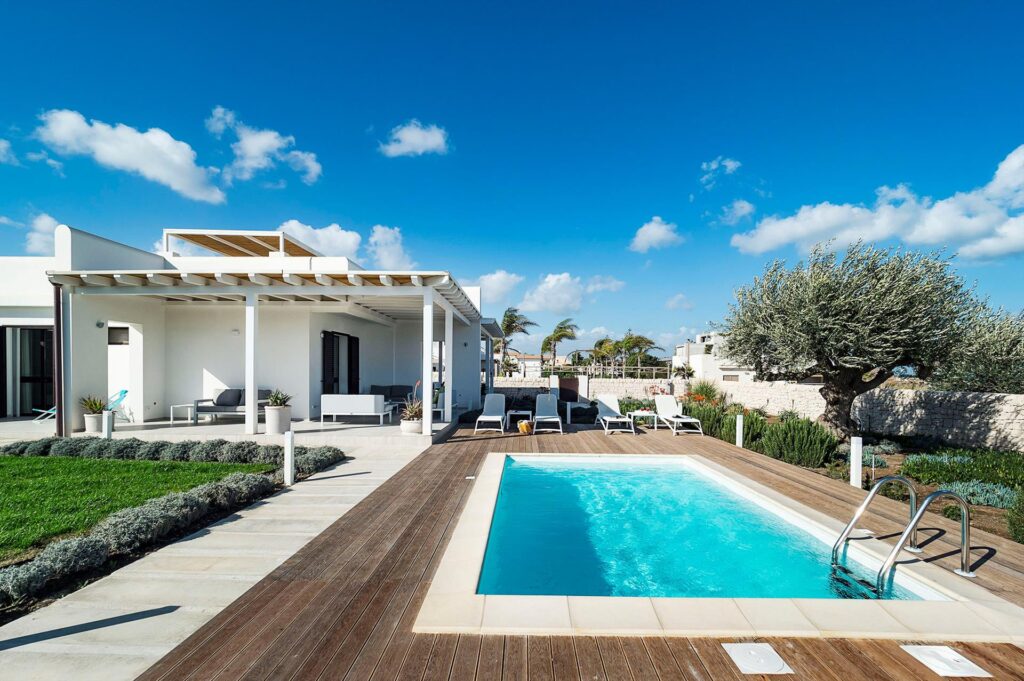
Stay Nearby: Villa San Lorenzo Rosmarino

Villa San Lorenzo Rosmarino is a modern coastal retreat near the beautiful beaches of San Lorenzo and the charming fishing village of Marzamemi.

Designed for comfort and relaxation, the villa offers stylish interiors, generous outdoor spaces, and easy access to some of Sicily’s most sought-after destinations.

The property features three bedrooms, three bathrooms, and bright living areas that open onto spacious terraces. Outside, guests can enjoy a private swimming pool, landscaped gardens, and sunny spaces for dining and relaxing.

Just a short walk from the beach, the villa is perfectly positioned for days spent by the sea. The crystal-clear waters and golden sands of San Lorenzo are among the most beautiful in Sicily.

Marzamemi, with its waterfront restaurants and lively atmosphere, is only minutes away. The Baroque town of Noto, the Vendicari Nature Reserve, and Syracuse can all be easily reached for memorable day trips.
Villa San Lorenzo Rosmarino is an excellent choice for guests seeking comfort, privacy, and an authentic Sicilian coastal experience

Principe di Belludia

Situated in nearby Noto, Principe di Belludia offers a refined dining experience that reflects the sophistication of the region. Seasonal ingredients and expertly prepared seafood is part of thie identity. Combine this with carefully curated wine lists and you have one of the area’s most admired restaurants.

For food lovers visiting Sicily, it represents an excellent introduction to the flavours and traditions of the island.

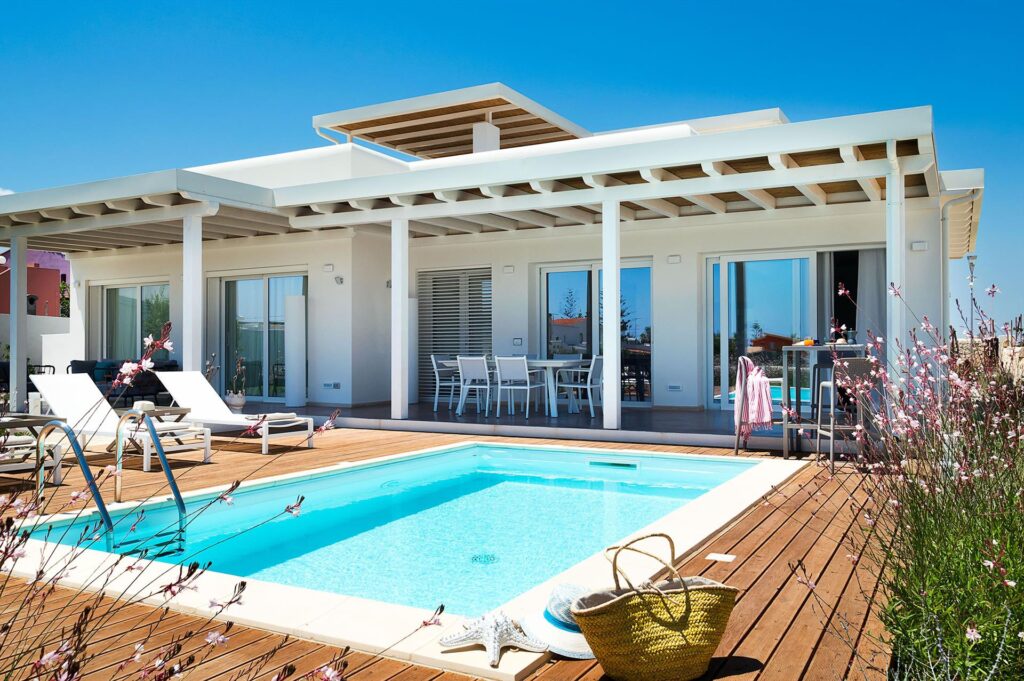
Stay Nearby: Villa San Lorenzo Palma

Wake up to sea views and the scent of Mediterranean gardens.Villa San Lorenzo Palma.

Villa San Lorenzo Palma sits near the beautiful shores of San Lorenzo. The beach is only a short walk away.
Sunny terraces create the perfect setting for outdoor living. Every space is designed for comfort and relaxation.

A private swimming pool offers a welcome retreat on warm Sicilian afternoons.
Inside, bright interiors blend modern comfort with Mediterranean style. The atmosphere feels relaxed and welcoming.

Four bedrooms and four bathrooms provide plenty of space for families and groups.

Evenings are best spent in nearby Marzamemi. The village is famous for seafood, sunsets, and waterfront dining.

Adventure awaits beyond the coastline. Discover Noto, Syracuse, and the Vendicari Nature Reserve nearby.
Everything needed for an unforgettable Sicilian escape is within easy reach.

Europe Is Open- And Here’s What Travelers Deserve to Know Right Now

Is Europe safe to travel right now? Lately, many travelers are asking the same question: is it still safe to travel to Europe? We understand the concern, but most headlines miss an important part of the story.

At Sicily4U, we do not observe from a distance. We live and work here every day, and we welcome travelers constantly. The reality is clear: Europe is open.

Is Europe Safe to Travel Right Now For Tourist?

Whether people think Europe is safe right now or not the truth is flights are operating.

In fact guests are arriving, and experiences continue without interruption. Here in Sicily, the season is active. Villas are ready, restaurants are full, and travelers continue to book with confidence.

At the same time, global discussions about fuel and logistics continue. This reflects a wider economic situation. However, Europe is responding with coordination and control.

A System That Is Being Managed

Airlines and authorities are working together to manage capacity carefully. In some cases, they adjust the number of flights to protect long-term operations.

This approach helps keep routes consistent, align fuel supply with demand, and maintain reliable schedules.
This is not a crisis. It is a system being managed properly.

What We See on the Ground

We see the results every day. Flights continue to arrive, guests continue to travel, and demand for Sicily remains strong. Many travelers now choose to plan ahead because they prefer certainty over last-minute decisions.

Why the Headlines Feel Worse

Still, headlines often create confusion. News tends to focus on risk and rarely shows the full picture. The reality is more balanced. Travel has not stopped; it has adapted.

Our Commitment to You

At Sicily4U, we stay close to what matters. We speak daily with local partners and follow real conditions on the ground.

This allows us to guide our clients with clarity.

We do not rely on speculation. We rely on experience. That is our responsibility.

If you are planning a trip, stay informed but choose your sources carefully. Work with people who know the destination.

Sicily remains one of Europe’s most desired locations. It is open, welcoming, and fully operational.

Travel is still happening, and those who move forward are the ones who experience it fully.

If you have questions, reach out to us. We are here, informed, and ready to help.

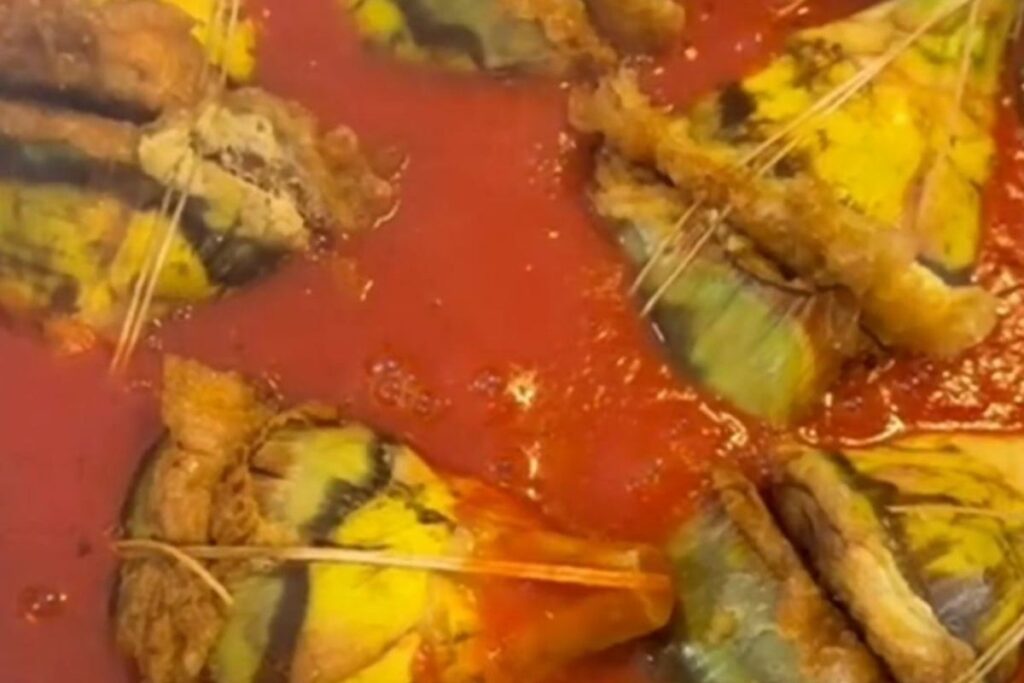
Sicilian Stuffed Artichokes in Tomato Sauce

Sicilian stuffed artichokes in tomato sauce not only is a mouthful to say, it is quite the task to prepare.

If you visit Sicily, you might expect to find this dish everywhere. Surprisingly, you will not. Sicilian stuffed artichokes are often homemade and seasonal. This makes them even more special when you do find them.

This is the kind of recipe that belongs in a Sicilian kitchen, especially during a relaxed stay in a villa or a family vacation where food becomes part of the experience.

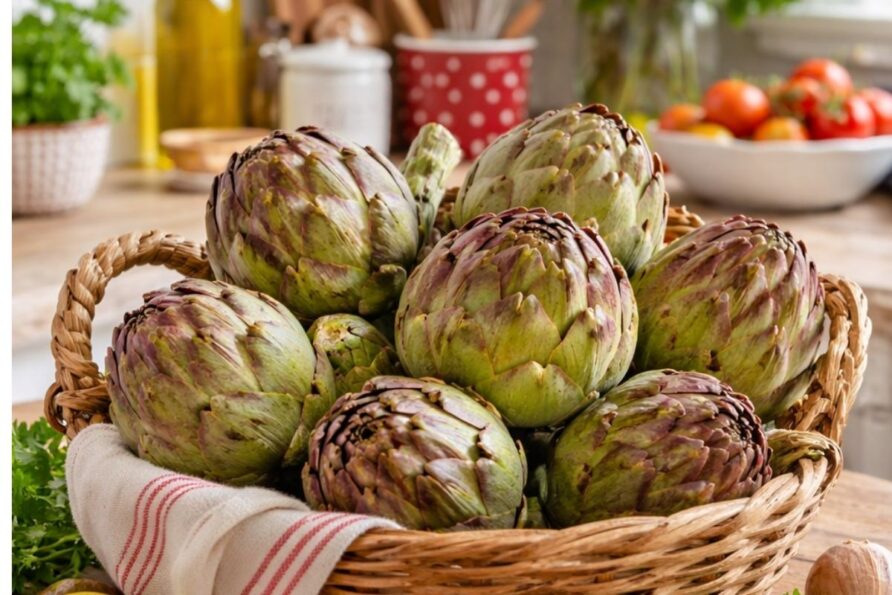
If you enjoy simple ingredients like cheese, onions, breadcrumbs, eggs, olive oil, and tomato sauce, you are already halfway there. These flavors come together in a way that feels both rustic and comforting.

What makes this dish stand out is not just the ingredients, but how everything is prepared. The artichokes are filled carefully so they hold their shape while cooking in the sauce. When done right, they stay intact and absorb all the flavor without falling apart.

The only thing that makes this dish taste better is having a private chef prepare this for your in villa dinner for you and your guests.

A Dish Rooted in Sicilian History

Artichokes have been part of Sicilian life for centuries, with many historians believing they were first cultivated on the island or nearby in the southern Mediterranean.

Over time, they became deeply embedded in local cuisine, shaped by the many cultures that influenced Sicily—from the ancient Greeks to the Arabs, who introduced new agricultural techniques and flavor combinations.

This layered history is still reflected in how artichokes are prepared today. Whether cooked simply with olive oil and herbs or dressed in the classic Sicilian agrodolce style, every version carries traces of the island’s past.

In Sicily, artichokes are more than just a vegetable—they are a sign that spring has arrived. Markets begin to fill with fresh carciofi, and families return to traditional recipes that have been passed down through generations.

This traditional Sicilian stuffed artichokes recipe is simple but requires attention to detail. Below you’ll find step-by-step instructions to prepare artichokes in tomato sauce just like in a Sicilian home.

Sicilian Stuffed Artichokes in Tomato Sauce

Ingredients
6 artichokes
1 lemon
1 cup breadcrumbs
1/2 cup grated Pecorino or Parmesan
2 cloves garlic, finely chopped
2 tablespoons fresh parsley, chopped
olive oil
salt and pepper
2 cups tomato passata
1 garlic clove

Method
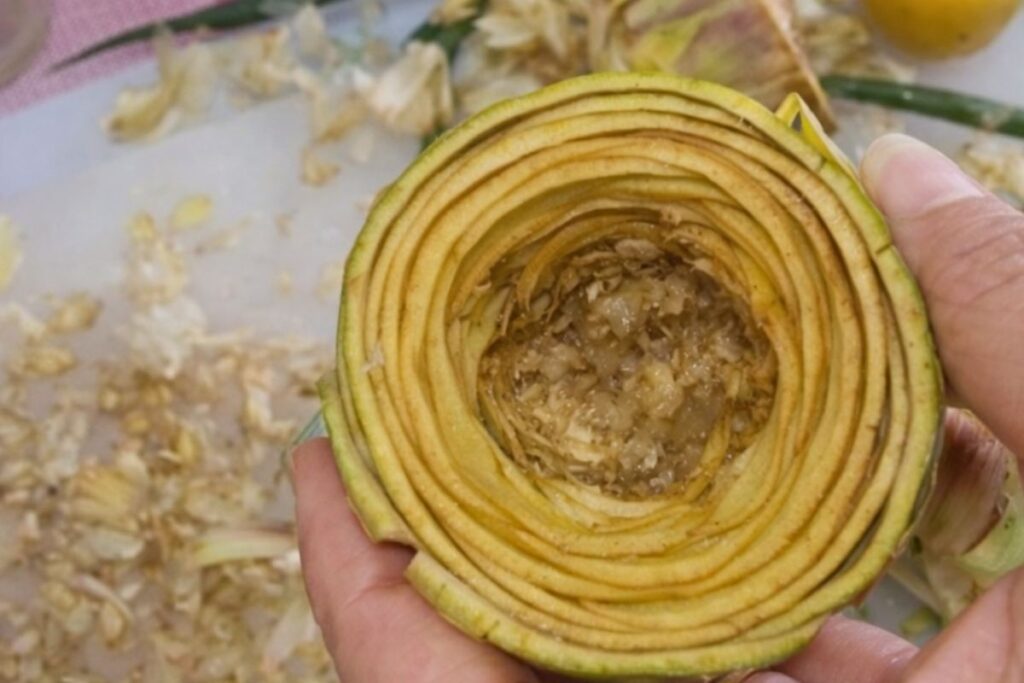
Clean the artichokes by removing the tough outer leaves, trimming the top, and cleaning out the center. Place them in water with lemon juice to prevent browning.

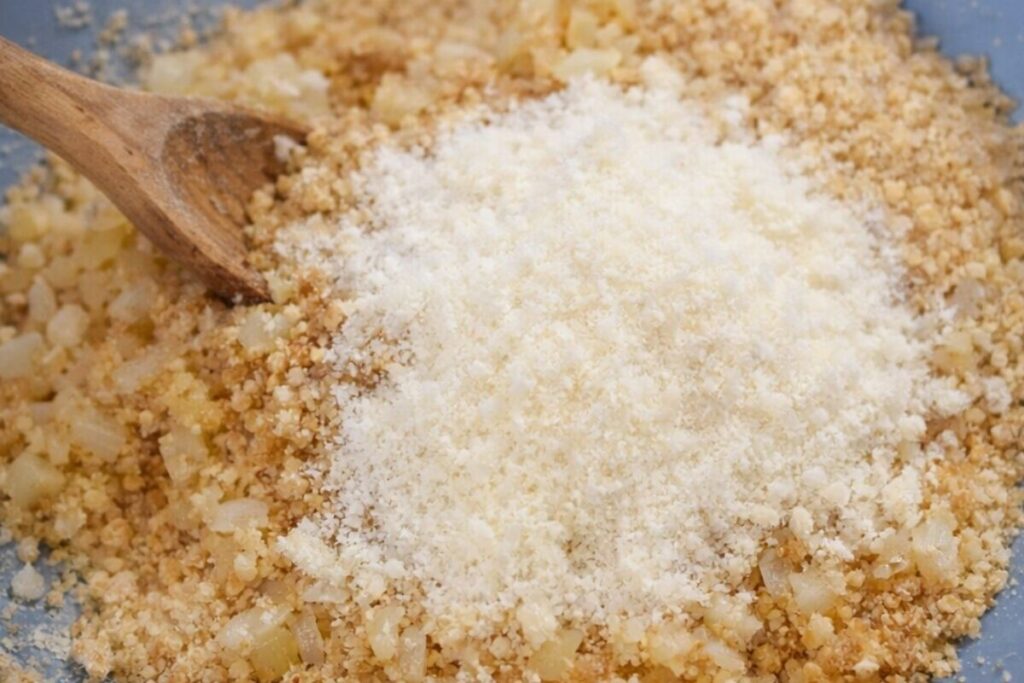
In a bowl, combine breadcrumbs, cheese, garlic, parsley, olive oil, salt, and pepper. Mix until the texture is slightly moist.

Open each artichoke and fill it well with the breadcrumb mixture, pressing the filling inside.

Tie each artichoke gently with kitchen string to keep it closed while cooking and prevent the filling from falling out.
In a deep pan, heat olive oil and lightly sauté a garlic clove.

Add the tomato passata and a pinch of salt and let it simmer for a few minutes.

Place the stuffed artichokes upright in the sauce. Add a small amount of water, cover, and cook on low heat for about 40 minutes until tender.

Remove the string before serving and spoon the sauce over the top.

Is Sicilian a Language or a Dialect? The Truth About Sicily’s Unique Identity

Is Sicilian a language or a dialect? Many visitors to Sicily are surprised to hear that the language spoken on the island is not simply ” Italian with an accent”.

In fact, Sicilian is its own language, with deep historical roots and a rich cultural identity.

A Language with Ancient Origins

Sicilian is a romance language, meaning it evolved from Latin, just like Italian, French, and Spanish. However, it developed independently over centuries, influenced by the many civilizations that ruled Sicily.

These include: Greeks, Arabs, Normans, Spanish

Each left a lasting mark on the vocabulary, sounds, and structure of the language.

The First Literary Language of Italy

What many people don’t know is that Sicilian was actually the first literary language in Italy. In fact, Sicilian Was Once More Prestigious Than Italian. What most people don’t realize is that Sicilian wasn’t just “a regional language”, it was once the language of poetry, power, and intellectual life in Italy.

In the 13th century, at the court of Frederick II, Sicily became one of the most culturally advanced places in Europe. His court created what is now known as the Sicilian School of Poetry, which actually influenced the development of modern Italian.

Even Dante Alighieri recognized its importance, referring to Sicilian as a refined and literary language. In other words: before Italian became “Italian,” Sicilian helped shape it.

A Language That Absorbed the World

Sicilian is like a living museum of Mediterranean history. Because Sicily was conquered and ruled by so many civilizations, the language absorbed words from all of them,creating something incredibly unique.

Here are a few examples most people never notice:

Arabic influence: words like zibibbu (raisin) and gebbia (water basin)
Greek roots: especially in rural and agricultural vocabulary
Norman & French traces: seen in courtly and administrative language
Spanish impact: still heard in everyday expressions today

This mix isn’t random—it reflects centuries of trade, conquest, and coexistence. When you hear Sicilian, you’re literally hearing layers of history speaking at once.

While Sicily’s language reflects a mix of cultures, its architecture tells the same story in stone. In the south, Agrigento reveals the island’s deep Greek roots, with the Valley of the Temples standing as one of the most important legacies of Magna Graecia.

In contrast, Palermo showcases a different chapter of history, shaped by Arab and Norman influences, visible in its domes, mosaics, and layered architectural styles. This contrast is part of what makes Sicily so unique, and it can be experienced firsthand by staying in one of our carefully selected villas located near these extraordinary historical sites.

It’s Not One Sicilian, It’s Many

Another surprising truth is that there is not just one version of Sicilian. The language changes noticeably from one town to another, sometimes even within short distances. The Sicilian spoken in Palermo can sound very different from what you hear in Catania.

These variations developed over centuries when many towns were geographically and socially isolated. Each community preserved its own way of speaking, creating differences in pronunciation, vocabulary, and rhythm. Sometimes, the differences are strong enough that Sicilians themselves may need to adjust how they speak to understand one another.

What people commonly call “Sicilian dialect” is not a single unified system, but a collection of related local varieties together forming the Sicilian language.

Why Sicilian Sounds So Different

To many visitors, Sicilian sounds noticeably different from Italian. It often feels faster, more direct, and more expressive. This is not simply a matter of accent, but a reflection of how the language is structured.

Sicilian tends to use shorter and more immediate sentence patterns. Often this reduces or drops vowel sounds that are clearly pronounced in Italian. The result is a rhythm that feels sharper and more dynamic.

At the same time, the language places strong emphasis on tone and expression. This gives it a very emotional quality in everyday speech.

Rather than sounding formal or polished, Sicilian feels grounded and alive. It reflects daily life, relationships, and local identity in a way that standard Italian does not always capture.


Villa Tao Bay – A Luxury Seafront Escape in Taormina

Luxury villas in Sicily offer one of the most exclusive ways to experience the island. Villa Tao Bay in Taormina is a perfect example.

For travelers exploring Sicily villas for a memorable escape, this seafront villa combines elegance, comfort, and breathtaking views.

Why Villa Tao Bay is Perfect for a Luxury Stay in Taormina

Villa Tao Bay offers a unique setting for travelers visiting Taormina. Moreover, the villa sits directly above the sparkling Ionian Sea.

Guests enjoy breathtaking views from elegant terraces and outdoor spaces. In addition, the peaceful setting creates the perfect atmosphere for relaxation.

Furthermore, the villa combines privacy with easy access to Taormina’s historic center. As a result, visitors can explore the town while enjoying a secluded retreat.

Why Taormina Is One of Sicily’s Most Famous Destinations

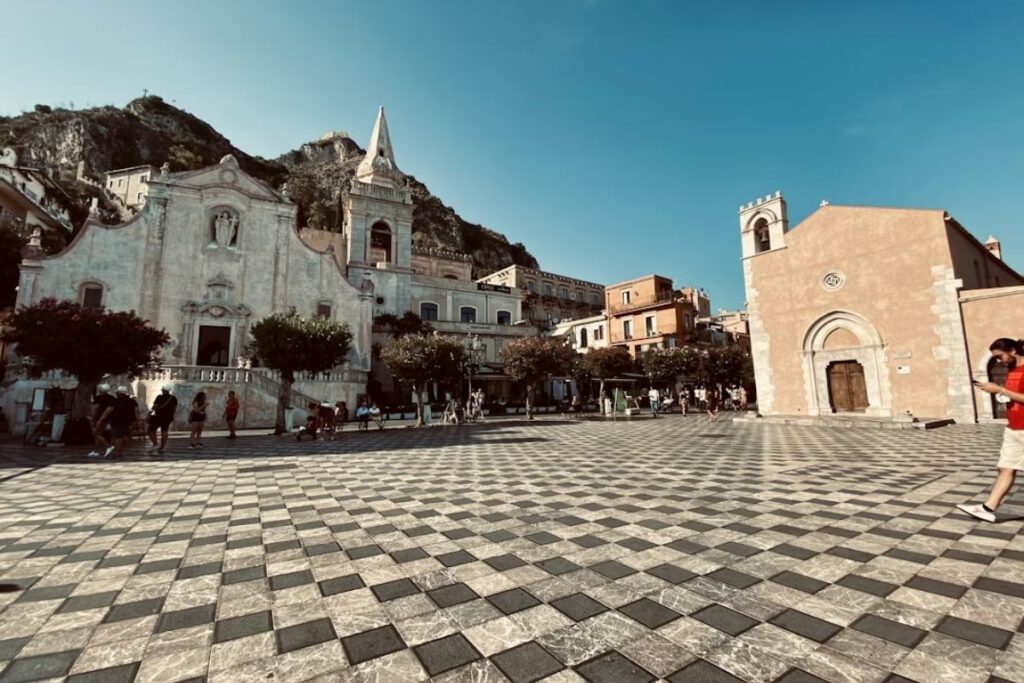
Taormina attracts travelers from around the world for its dramatic coastal views and historic charm. Perched above the Ionian Sea, the town offers breathtaking scenery in every direction.

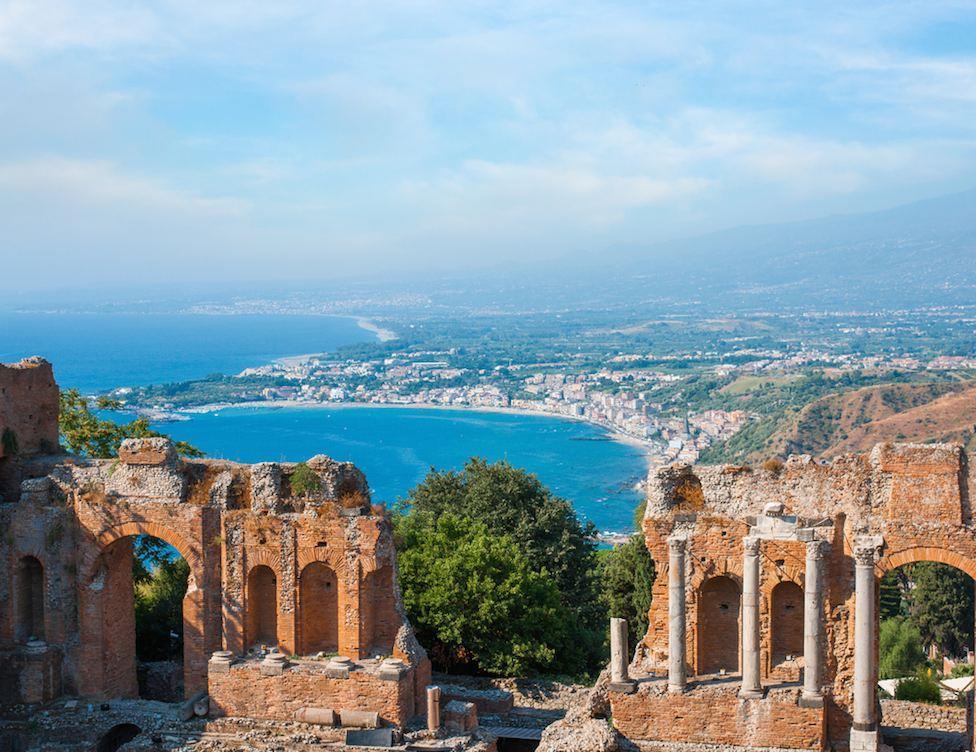
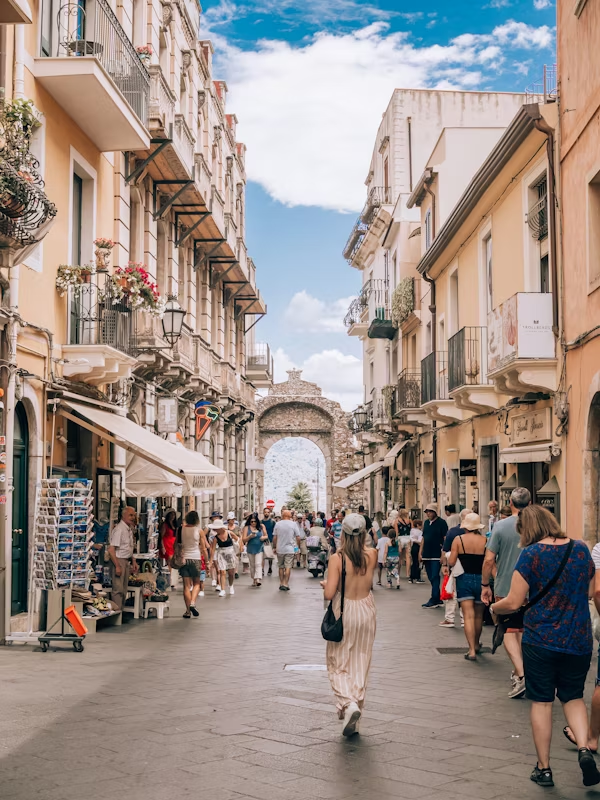
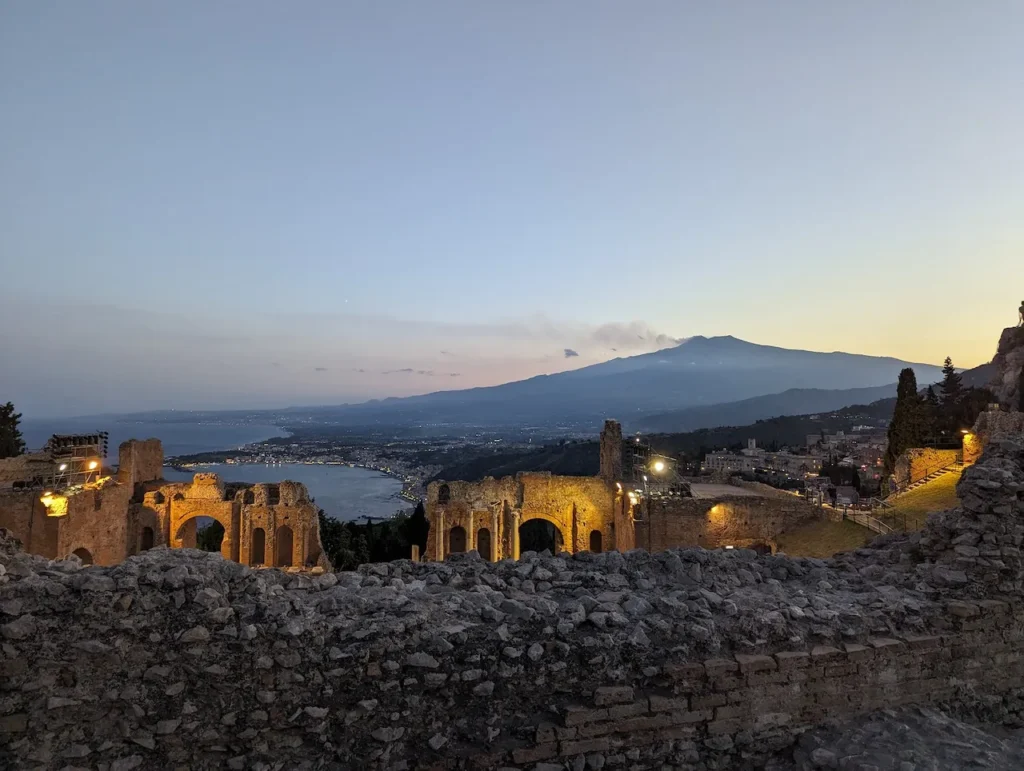
Visitors stroll along Corso Umberto, the lively street filled with boutiques, cafés, and local restaurants. Nearby, the ancient Greek Theatre offers unforgettable views of Mount Etna and the sea.

Beaches such as Isola Bella provide crystal-clear water and beautiful Mediterranean landscapes. Because of this setting, Taormina remains one of the most beloved destinations in Sicily.

From Villa Tao Bay, guests can easily explore the town while enjoying a peaceful retreat by the sea.

What Guests Love About Staying in Taormina

Travelers visiting Taormina often fall in love with the town’s dramatic coastal scenery and vibrant atmosphere. However, many visitors discover that staying in a private villa offers a very different experience.

Unlike hotels in the busy center, luxury villas in Sicily provide space, privacy, and spectacular views of the coastline. Guests can begin the morning with coffee on a terrace overlooking the Ionian Sea.

During the day, visitors explore Taormina’s historic streets, beaches, and restaurants. In the evening, they return to a peaceful setting above the sea.

For many travelers, this balance between exploration and relaxation is what makes a villa stay in Taormina truly memorable.

Abandoned Sicilian Ghost Town Villages That Are Beautiful and Charming Like Isnello

Sicily holds a quiet, forgotten world beyond its beaches, markets, and historic cities — a world of abandoned villages, half-empty hamlets, and ghost towns suspended between memory and silence. These places, shaped by earthquakes, emigration, and time, now sit untouched in the mountains and countryside, offering travelers a rare glimpse into an older Sicily where life moved slowly, simply, and intimately.

Some of these villages are fully abandoned. Others still have a heartbeat , a few residents, a bar, a small piazza , but carry the same nostalgic charm that makes Isnello so irresistible: narrow medieval streets, stone houses, and the feeling that you’ve stepped into a living postcard.

Here are the most evocative Sicilian ghost towns to visit today.

1. Isnello: Sicily’s “Living Ghost Town” in the Madonie Mountains

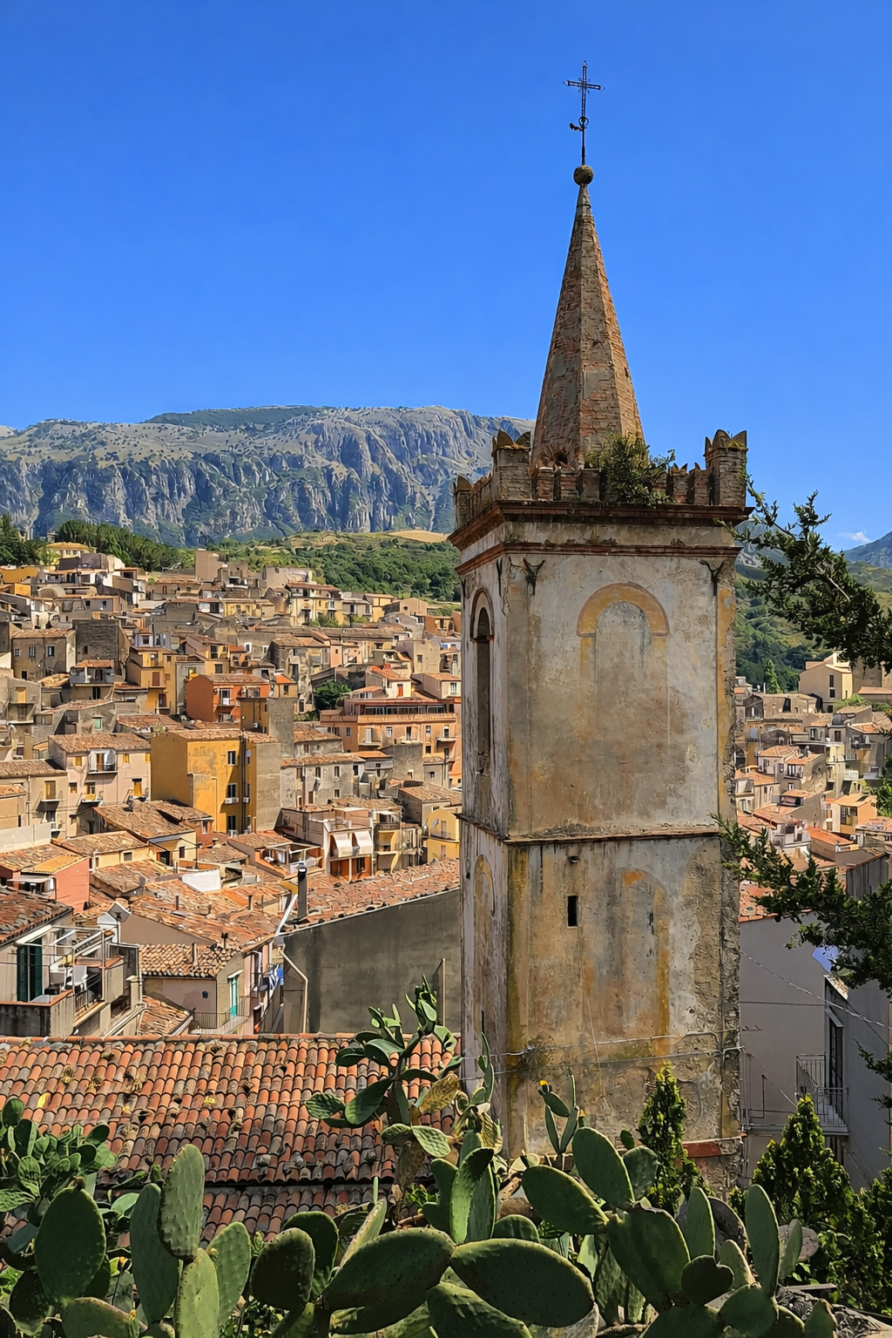
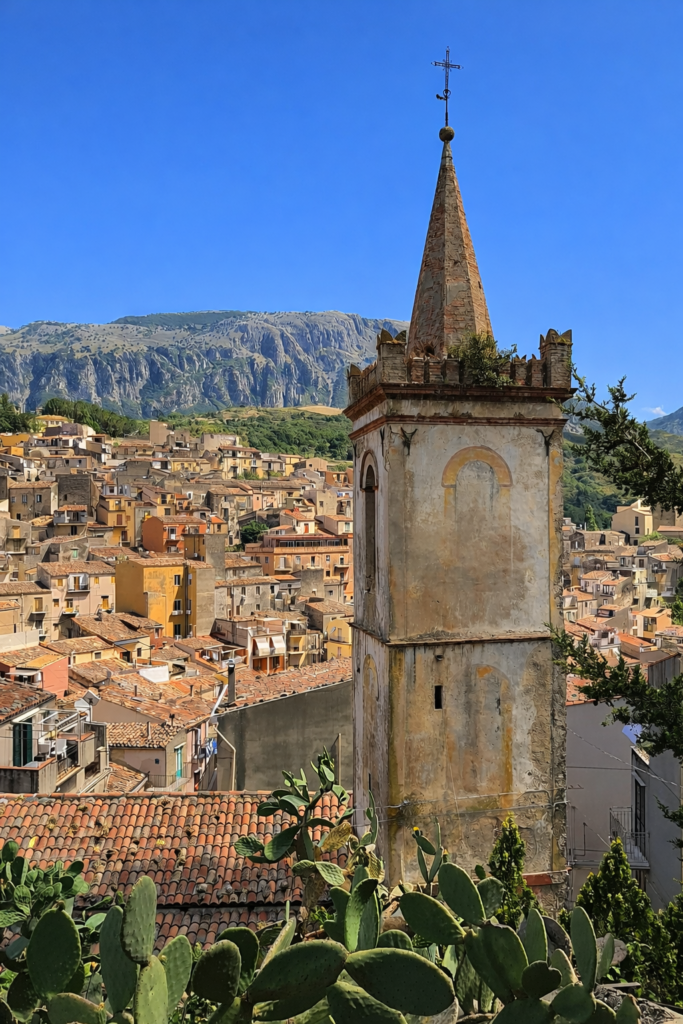
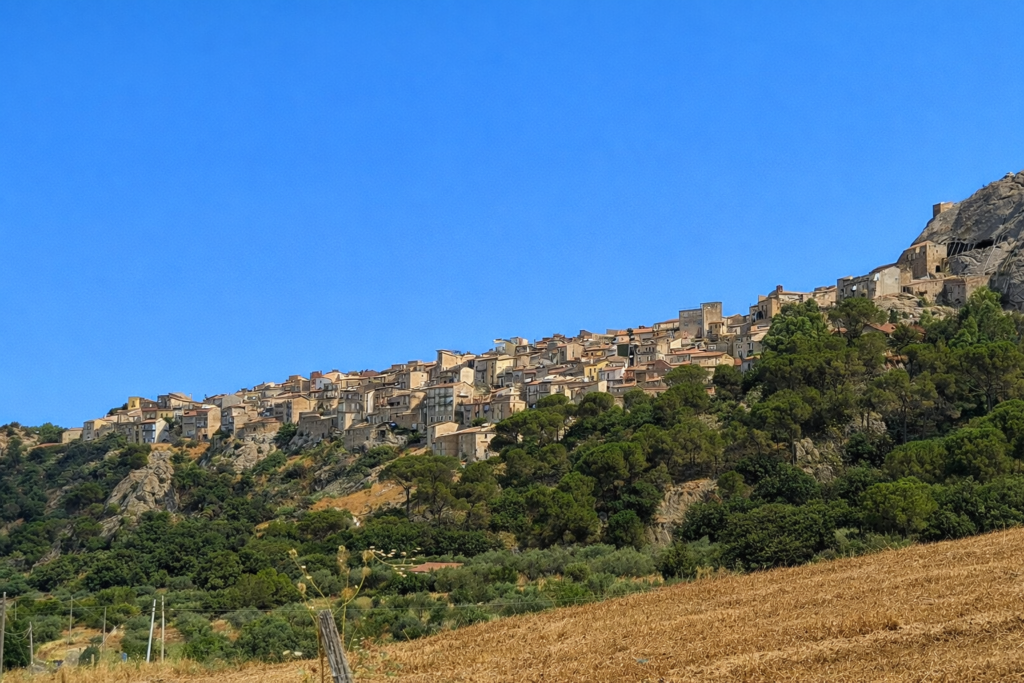
Isnello is often described as a ghost town, not because it’s abandoned, but because it feels suspended in time. Perched in the Madonie Mountains, this small Sicilian village is quiet, atmospheric, and wonderfully authentic, with stone houses stacked along the hillside and dramatic mountain views in every direction. Visiting Isnello is fun precisely because of its slowness: you can wander empty streets, admire the historic church towers and medieval layout, and enjoy panoramic viewpoints without crowds. It’s a perfect stop for travelers who love hidden places, photography, and genuine local life. Nearby hiking trails in the Madonie Park, the renowned Gal Hassin astronomical observatory, and simple trattorias serving traditional Sicilian dishes make Isnello an ideal destination for a relaxed half-day trip or a peaceful overnight stay away from mass tourism.

2. Borgo Sperlinga — The Village That Nature Took Back

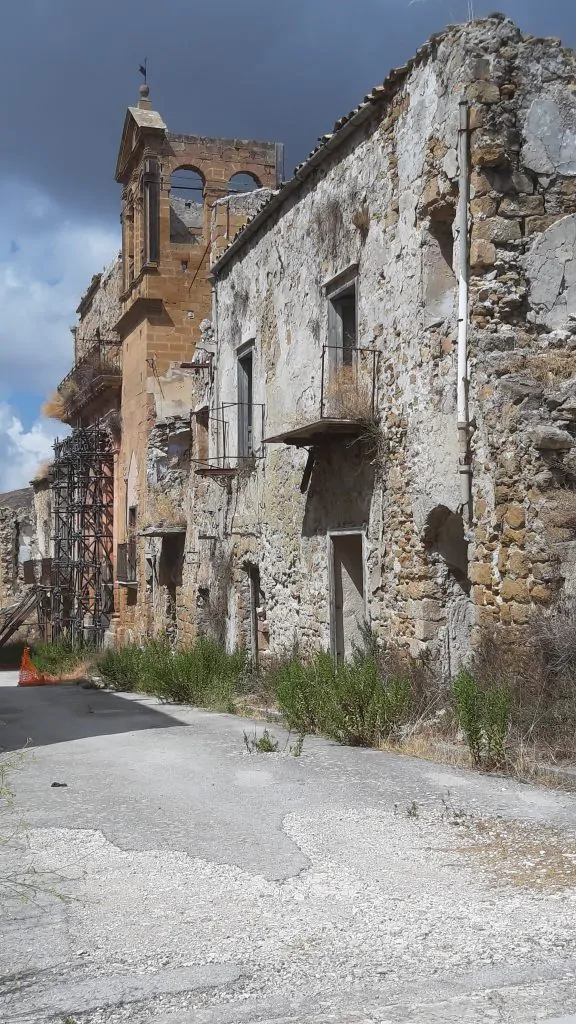
Not far from Nicosia, Borgo Sperlinga lies hidden on a quiet hillside. Built to support rural workers, it emptied gradually through the 20th century. Today its abandoned church, long corridor-like streets, and crumbling houses are eerily beautiful.

Why it’s charming:

 Golden-hour light hits the ruins beautifully, turning the village into a painterly landscape.

3. Poggioreale — The Earthquake Ghost City of the Belìce Valley

Completely destroyed in the 1968 earthquake, Poggioreale is one of the most dramatic abandoned towns in Italy. The old center was never rebuilt, so the ruined grid of streets, collapsed palazzi, and roofless churches remain exactly as they were left. You can still walk the main corso, see the destroyed piazza, and stand before the cracked facades.

Why it’s charming:

 It blends raw tragedy with haunting, cinematic beauty. Photographers consider it one of Sicily’s most striking locations.

4. Salaparuta Vecchia — Silent Streets in Wine Country

Also struck by the same 1968 earthquake, old Salaparuta sits empty on a hill next to the modern town. The remains of homes, staircases, and walls form a stone labyrinth softened by wind and wildflowers.

Why it’s charming:

 It sits in open wine country — the contrast of ruins against vineyards is unforgettable.

The Poetry of Sicily’s Ghost Towns

Sicily’s abandoned villages are not dead — they are dreaming.

 They hold the breath of centuries, the laughter of people who once lived there, the pride of farmers, the silence of old prayers, the weight of history.

To walk through them is to walk into a living poem.

 To photograph them is to capture time itself.

 To know them is to know Sicily’s truest heart — raw, ancient, soulful, unforgettable.

This is the Sicily beyond postcards.

 The Sicily that tourists never touch.

 The Sicily that remains pure.

Are Boat Excursions in Sicily Worth It? An Honest Review

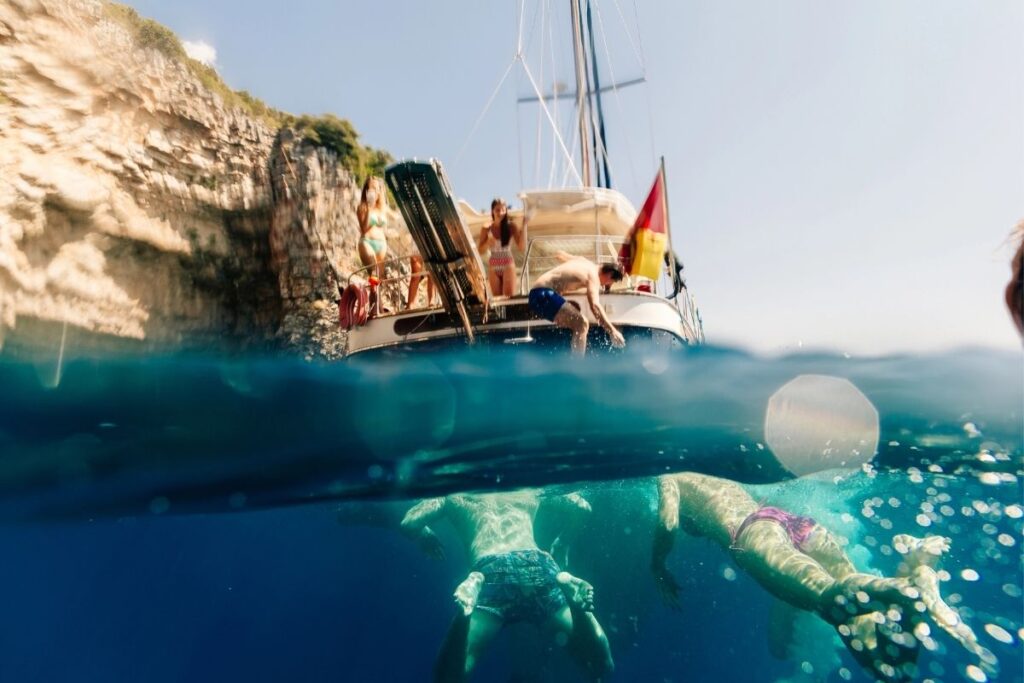
Planning boat excursions in Sicily? The only thing better than booking a private luxury villa in Sicily is heading out into the gorgeous waters.

From hidden coves and crystal-clear waters to volcanic coastlines and island hopping, a day at sea can completely transform your trip. But are boat tours really worth the time and cost? Here’s an honest guide to help you decide.

Most boat experiences in Sicily fall into a few clear categories:

  • Group boat tours – fixed itineraries, larger groups, lower cost
  • Semi-private tours – smaller groups with a more relaxed pace
  • Private boat charters – fully customisable, skipper included
  • Sunset or aperitivo cruises – shorter, scenic, and social

Each offers a very different experience, and reviews make it clear that expectations matter just as much as price.

What Do Travellers Actually Enjoy?

Across review platforms, boat excursions in Sicily generally score highly. However, the reasons people enjoy them are very consistent.

What Do Travellers Actually Enjoy?

Across review platforms, boat excursions in Sicily generally score highly. However, the reasons people enjoy them are very consistent.

Seeing Sicily from the Sea

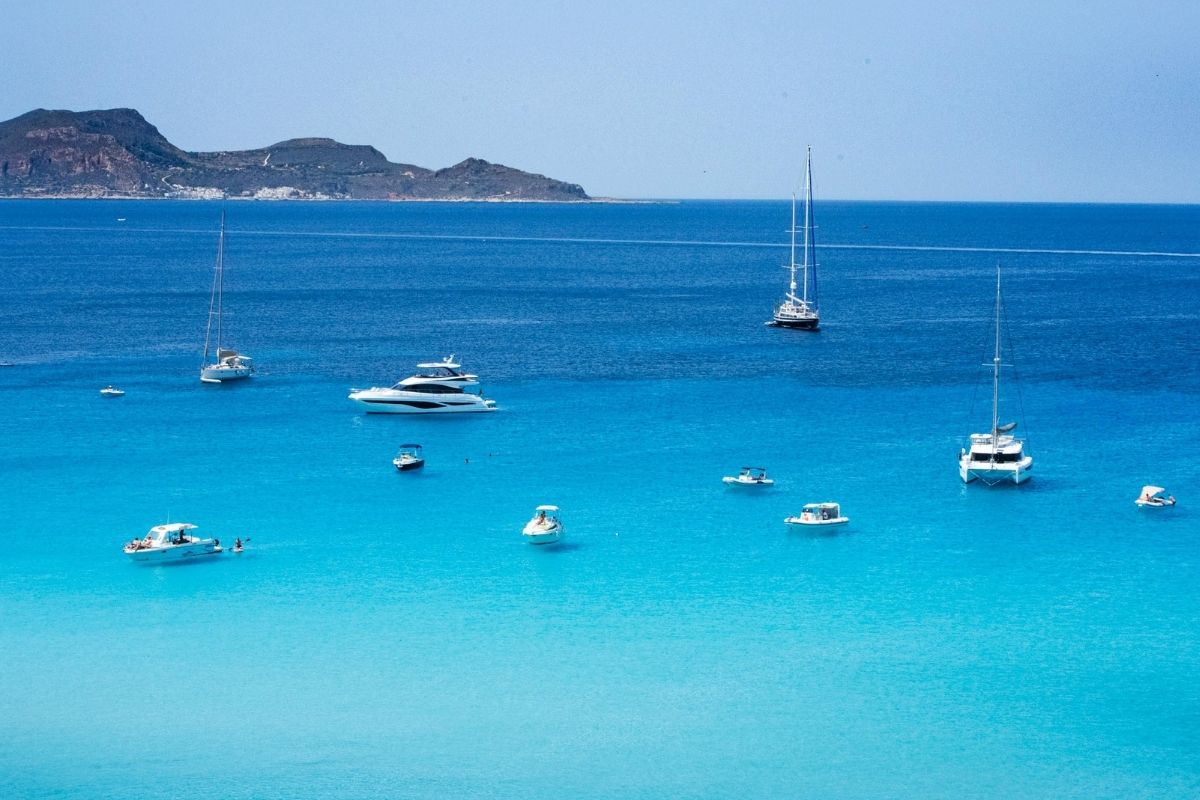
Many travellers say the coastline looks completely different from the water. Areas such as the Zingaro Nature Reserve, the Aeolian Islands, and the coast near Taormina are frequently described as highlights of an entire trip.

Swimming and Snorkelling Stops

Access to hidden coves and clear water is one of the biggest positives. Reviews often mention that swimming stops — especially those unreachable by land — are what make the experience memorable.

Relaxed Atmosphere

Sunset and aperitivo cruises, in particular, are praised for their easygoing pace, friendly skippers, and social feel. For many travellers, it’s less about sightseeing and more about enjoying the moment.

Are Boat Excursions Good Value?

Boat excursions tend to be excellent value if:

  • It’s your first visit to Sicily
  • You choose semi-private or private tours
  • You enjoy swimming, snorkelling, or being on the water
  • You’re visiting coastal highlights or islands

When They’re Less Impressive

They’re often poor value if:

  • You book the cheapest option in peak season
  • You expect a luxury experience at a budget price
  • You don’t enjoy being on boats or in the sea

Reviews consistently show higher satisfaction for private and semi-private tours. Many travellers comment that paying slightly more results in:

  • More space on board
  • Longer swimming stops
  • A calmer, more personalised experience

For families or groups staying in villas, private charters often feel like a natural extension of a relaxed holiday.

Best Areas for Boat Excursions in Sicily

Based on review trends, the most rewarding areas include:

  • Aeolian Islands – volcanic landscapes and island hopping
  • Zingaro Nature Reserve – pristine coastline and clear water
  • Ortigia / Syracuse coast – history and sea combined
  • Taormina coastline – dramatic scenery
  • Favignana & Egadi Islands – shallow turquoise waters

Experiences are generally less impressive in overcrowded urban harbours or on very short “loop” routes.

Final Verdict: Should You Book One?

Boat excursions in Sicily are worth it — when chosen carefully.

They’re best seen as a slow, sensory experience, not a checklist activity. Travellers who pick the right type of tour for their expectations often describe it as one of the most memorable days of their trip.

The key is simple:
✔️ choose quality over price
✔️ avoid overcrowded peak-time tours
✔️ know what kind of experience you want

Boat excursions show you a side of the island that many travelers never experience. From hidden coves and dramatic coastlines to peaceful swims in clear Mediterranean water, a day at sea often becomes one of the highlights of vacationing in Sicily. For families on vacation, couples, or small groups, the right boat trip adds freedom, space, and unforgettable memories to your stay.

When planning your trip, your location makes a difference. Many of the best villas in Sicily sit close to the island’s most beautiful coastlines and main departure points for private and group tours. Staying nearby allows you to combine comfort, privacy, and easy access to the sea. With the right villa and a well-chosen excursion, your time in Sicily becomes more than a holiday. It becomes an experience you will want to repeat.

Dolce & Gabbana: Sicily as a Way of Life

Dolce & Gabbana is more than a fashion brand. It is one of the most eloquent contemporary interpretations of Sicily’s identity.

Founded by Domenico Dolce and Stefano Gabbano in 1985 , the house does not borrow from Sicily, it belongs to it. The island’s contradictions and excesses are woven directly into its visual language: devotion and sensuality, severity and opulence, intimacy and spectacle.

This profound attachment to place mirrors the way Sicily is experienced at its best,not as a checklist of landmarks, but as a lived atmosphere. A rhythm. A way of inhabiting beauty rather than observing it from a distance.

Black lace, sculpted corsetry, veils, gold embroidery, and commanding silhouettes echo the figures that have shaped Sicilian imagination for generations: widows, matriarchs, saints, actresses, and women of formidable presence—evoking icons such as Sophia Loren and Anna Magnani.

The inspiration is unmistakably local:

  • Catholic iconography and sacred ritual
  • Baroque churches layered with gold and shadow
  • Hand-painted ceramics and the vibrant carretto siciliano
  • A Mediterranean sensuality rooted in sun, strength, and unapologetic emotion

These same qualities define Sicily’s historic palazzi, countryside estates, and noble villas—places designed not for minimalism, but for memory, ritual, and presence.

Sicily as a Way of Living

To embrace Sicily as a way of life is to slow down without apology. It is to value ritual over efficiency, memory over minimalism, and presence over performance.Life here unfolds in layers, meals linger, conversations stretch and beauty is allowed to be imperfect. This is why Sicily continues to resonate far beyond fashion. It offers philosophy rooted in land, lineage, and emotion. One that invites not consumption, but participation. Not observation, but belonging.

Dolce & Gabbana Bar, Taormina

Set within the historic San Domenico Palace, the Dolce & Gabbana Bar is not simply a place for a drink—it is a continuation of the brand’s dialogue with Sicily. Every detail reflects the house’s unmistakable aesthetic: hand-painted ceramics, bold patterns, and references to Sicilian tradition reinterpreted through contemporary luxury.

Overlooking the Ionian coastline, the bar embodies the Dolce & Gabbana philosophy of living beautifully and unapologetically. Aperitivo here is as much about atmosphere as it is about taste—where design, setting, and ritual merge effortlessly. Much like Taormina itself, the experience feels theatrical yet intimate, rooted in history but undeniably modern.

For visitors, the bar represents Sicily at its most refined: a place where craftsmanship, place, and lifestyle converge, echoing the same sense of exclusivity and immersion that defines the island’s most exceptional villas and cultural experiences.

Visiting Agrigento: The Almond Blossom Festival 

The last time we went to Agrigento, it was autumn. We took the train from Palermo and enjoyed the trip. As we sped through the Sicilian countryside we saw small towns in the distance, rolling hills, wide plains and valleys, the landscape golden after the summer heat. Visiting Agrigento is always a treat, and I wanted to show my friends the Valley of the Temples. After all, it has some of the best-preserved Greek temples in the world. 

We got to the temples, set on a plateau between the sparkling sea and modern Agrigento, and walked around, amazed at the beauty and vivid feeling of history. The autumn sun warmed our skin and the sea breeze caressed our faces. The Temple of Concordia was incredible, easily rivalling the Acropolis in Athens in its beauty. Agrigento fascinates all year round, but I wanted to visit in spring. Why? The almond flowers. 

Agrigento’s Annual Almond Festival 

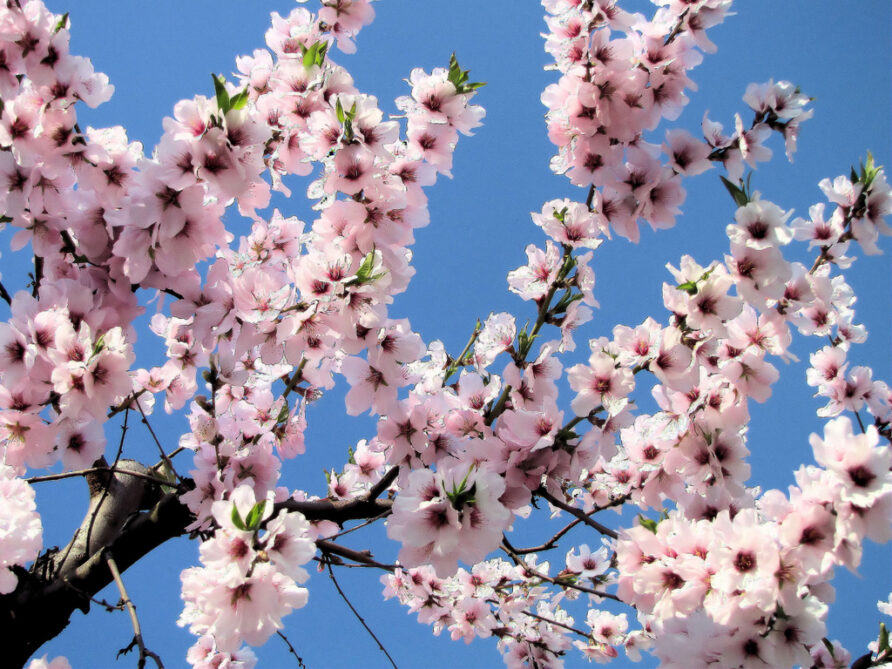
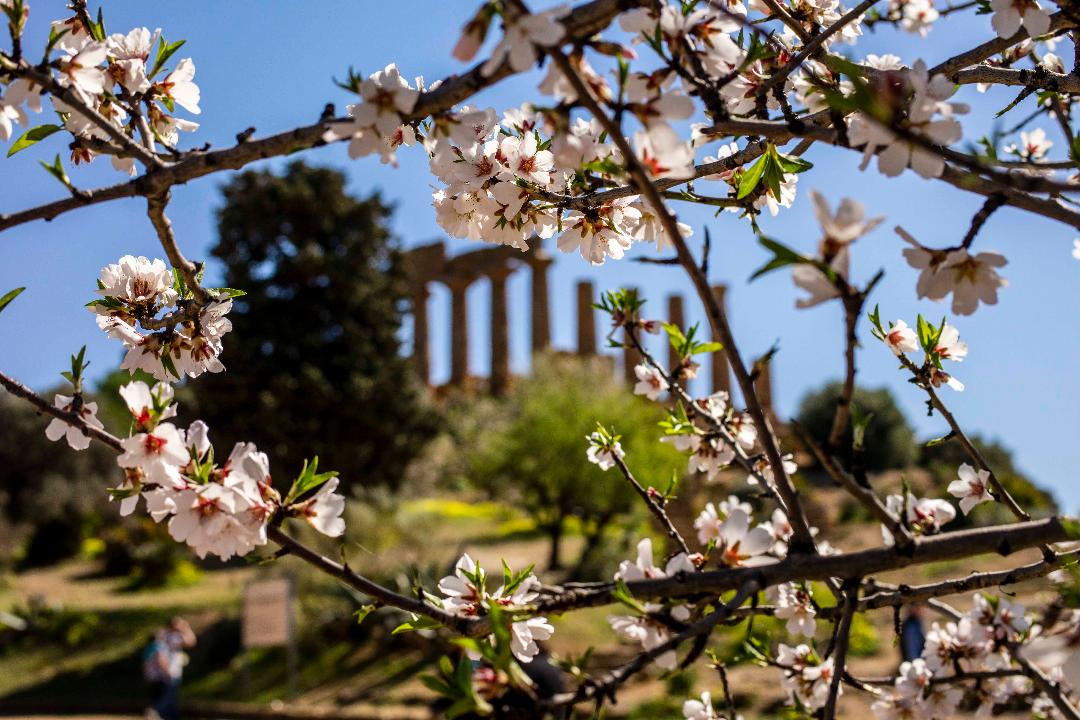
The countryside around Agrigento is covered in almond trees, which start to bloom in February. These welcome flowers symbolise the start of spring in a beautiful and evocative setting, attracting visitors from around the world. The start of spring – as heralded by the white and pink almond blossoms – has been celebrated in Agrigento for centuries. However, the Almond Blossom Festival officially began in the 1940s. It mixes history, folklore, nature, and music in a wonderful fashion. 

Lasting a week, the festival takes place during the height of the almond blossoms, but dates vary from year to year. The festival itself brings together folk parades, musical performances, local food and much more. It is a vivid celebration full of colourful costumes and authentic culture. You can watch torchlit processions, take part in traditional dancing, and listen to the marching bands. It’s so unique that it has to be seen to be believed! 

In and Around Agrigento 

Visiting Agrigento means seeing ancient history come to life, experiencing true local flavours, and spending time on unspoilt beaches. What do we love about the area? The list is endless! 

The Valley of the Temples is unmissable, as are the Kolymbethra Gardens. We sat under the shade of the trees and took in the scents of the Mediterranean plants. It was magic! 

We loved spending the day by the Scala dei Turchi beach with its unusual white cliffs making it one of the most picturesque places in Sicily. Pack a picnic and enjoy a day by the sea! 

Source: Corriere

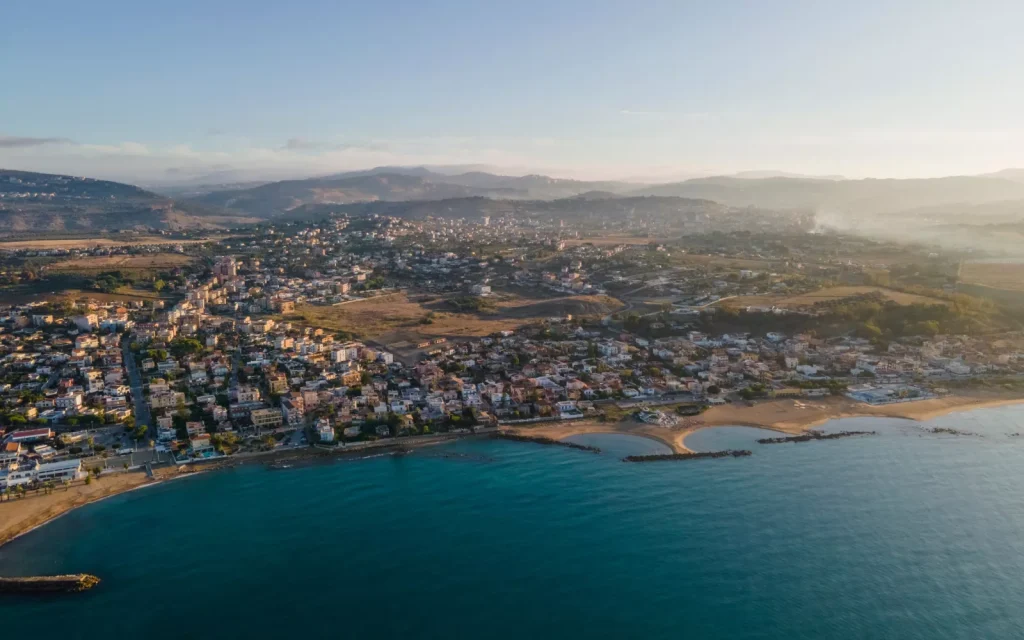
San Leone also has a lovely sandy beach with some stylish beach bars. Stop off at one, go for a swim, and then enjoy a sunset aperitivo (it’s the perfect time for an Aperol Spritz!). 

Source: Italia.it

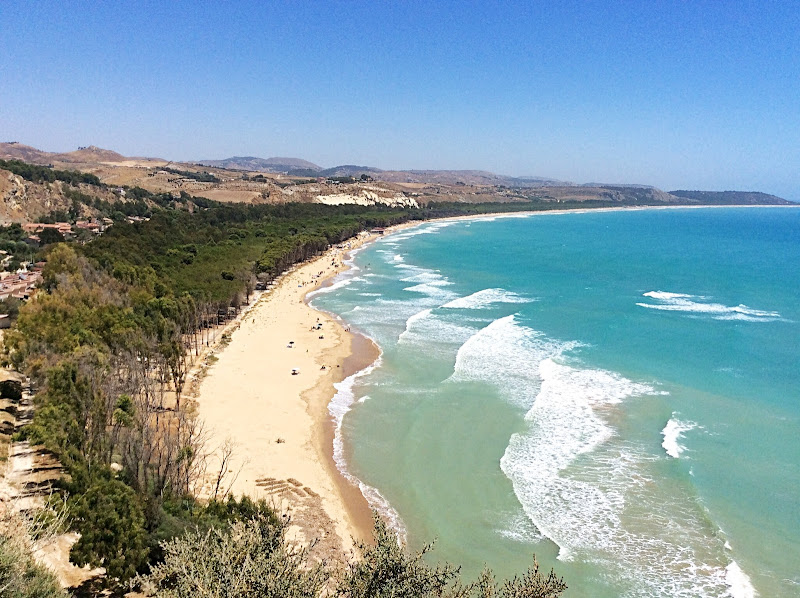
For a quieter beach option, we love the beach at Eraclea Minoa where the sandy beach is surrounded by a quiet pine forest that offers shade as well as peace and quiet, and pretty white cliffs. 

Source: BeachSearcher

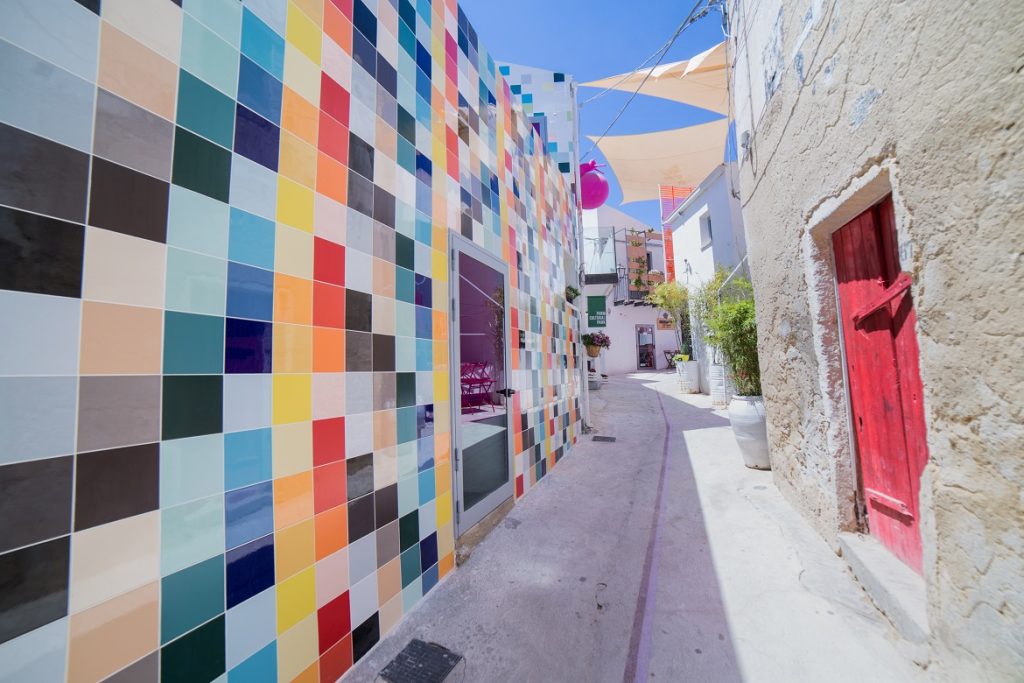
Farm Cultural Park is nearby in Favara. This independent cultural centre has transformed part of the small town into an artistic installation, with murals, and street art, as well as regular exhibitions and events.  

Source: VeraClasse

Villas near Agrigento 

We have some beautiful villas near Agrigento that are ideal for a holiday in Sicily. If you want to get to know this area of Sicily, a villa is a great choice. You can rest and relax at the villa, making the most of the swimming pool, or the barbecue. Then you can head out and explore the local area. 

If you want to visit a different part of Sicily, don’t worry! We have villas all over the island. You can read all about Sicily, its culture, and its top sights on our blog. Then browse all our villas from north to south, and easy to west, and find you perfect holiday villa in Sicily. If you ever need advice, our team are here for you; just get in touch and ask your questions!  A holiday in Sicily is just around the corner!