Sicily Travel Update 2026: Mount Etna, Catania Airport & What Tourists Need to Know
Last updated: 19 August 2026
If you are travelling to Sicily this year, recent headlines about Mount Etna may have raised some questions. Our Sicily travel update 2026 explains what visitors need to know before arriving.
Mount Etna has experienced significant volcanic activity during August. As a result, volcanic ash has caused closures, cancellations and diversions at Catania Fontanarossa Airport.
The disruption has been significant. However, this does not mean that Sicily itself is closed to visitors.
Flights at Catania resumed on 15 August after the volcanic aviation alert was lowered from red to orange. However, flight operations remain subject to change, and further restrictions may be introduced at short notice if volcanic ash affects the airport or surrounding airspace.
For travellers, preparation is more important than panic.
Before leaving for the airport, check your flight directly with your airline. Keep your accommodation details available and understand your alternative airport options.
Most importantly, don’t assume that activity at Mount Etna means your entire Sicily holiday must be cancelled.
Here’s what is happening and how you can prepare.
Is It Safe to Travel to Sicily Right Now?
For most visitors, the current situation is primarily a transport issue rather than an island-wide tourism shutdown.
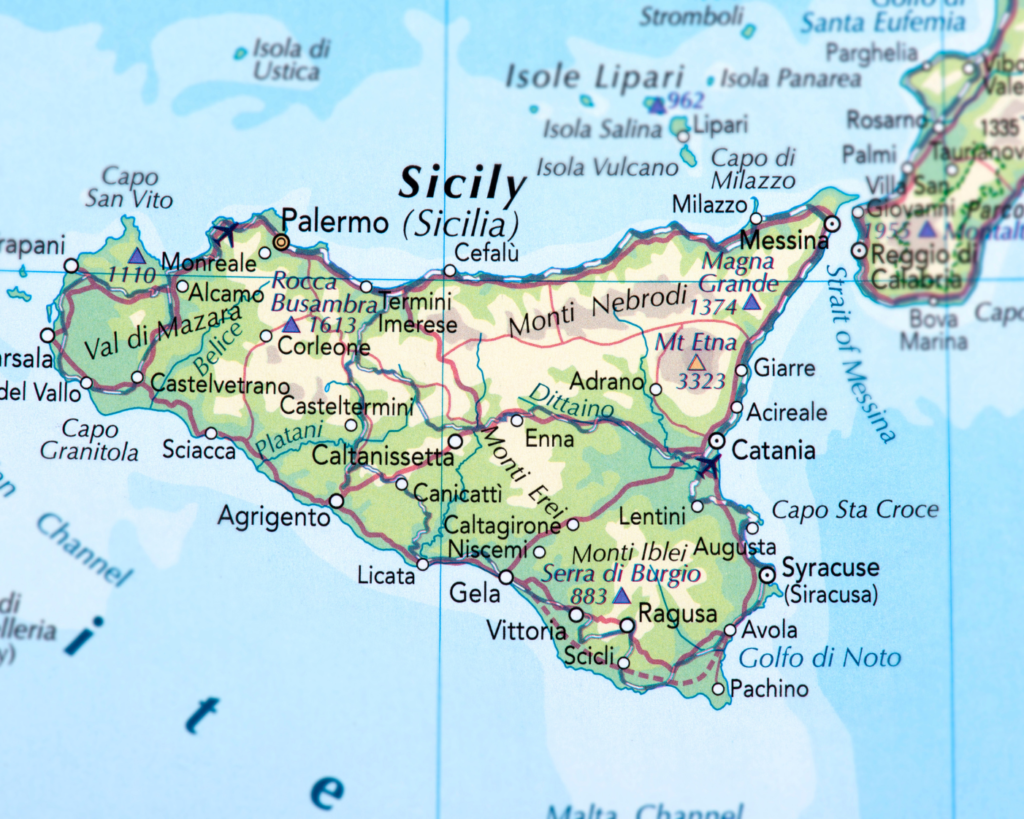
Mount Etna sits on Sicily’s eastern side, near Catania. Therefore, volcanic ash can have a significant impact on aviation around Catania.
Other parts of Sicily can experience very different conditions.
Visitors staying around Palermo, Cefalù, Trapani or western Sicily may see little direct effect from Etna’s activity. Nevertheless, transport disruption can spread when flights are diverted to other airports.
The important distinction is between volcanic activity and aviation disruption.
Etna is one of the world’s most active volcanoes. Its activity does not automatically mean that Sicily becomes unsafe for tourists.
Visitors should follow official instructions around the volcano and avoid restricted areas.
Mount Etna Eruption 2026: What Tourists Should Know
Mount Etna’s latest eruptive phase began in early August. The volcano produced sustained ash emissions alongside explosive and effusive activity.
The persistence of the ash has created particular problems for aviation.
Volcanic ash can damage aircraft engines and reduce visibility. Therefore, aviation authorities may restrict airspace even when conditions appear normal from the ground.
This explains why a beautiful sunny day in Catania can still coincide with flight delays.
Conditions can also change quickly.
Wind direction plays an important role because it determines where the volcanic ash travels. During the August activity, ash travelled well beyond eastern Sicily.
For visitors, this means yesterday’s airport information may not apply today.

Catania Airport Update: Are Flights Operating?
Catania Fontanarossa Airport is currently open and operating, following the resumption of flights on 15 August after Etna’s aviation alert was lowered from red to orange.
However, passengers should not assume that every scheduled flight will operate normally. Mount Etna remains active, and flight operations can still be affected at short notice if volcanic ash reaches the airport or surrounding airspace.
Therefore, always check your individual flight.
The official Catania Airport website provides live arrival and departure information. Your airline should remain your primary source for changes to your booking.
Avoid travelling to the airport simply because your original departure time still appears on an old confirmation email.
Check again before leaving your accommodation.
Why Does Mount Etna Affect Catania Airport?
Catania Fontanarossa is located close to Mount Etna.
That location makes Catania extremely convenient for eastern Sicily. However, it also leaves the airport vulnerable when volcanic ash moves towards its airspace.
Ash presents a serious aviation hazard.
Consequently, authorities may reduce arrivals, close sections of airspace or temporarily suspend operations.
These decisions can sometimes appear sudden. In reality, they are safety measures based on changing volcanic and atmospheric conditions.
What Happens If Your Catania Flight Is Cancelled?
First, contact your airline before making expensive alternative arrangements yourself.
Depending on your circumstances, the airline may offer another flight, rerouting or a refund.
EU passenger protection rules continue to provide important rights when flights are cancelled.
However, volcanic eruptions and volcanic ash generally fall under extraordinary circumstances. Therefore, standard cash compensation may not apply.
That does not necessarily remove your rights to assistance.
Passengers affected by cancellations can still have rights concerning rerouting, reimbursement and care.
Keep every receipt if you need to purchase essential meals, accommodation or transport.
Also keep screenshots of cancellation notices and airline communications.
These records can become important when requesting reimbursement later.
Should You Fly Into Palermo Instead?
Palermo can provide an excellent alternative, particularly for travellers staying in northern or western Sicily.
During the recent disruption, Palermo Airport absorbed a large number of flights diverted from Catania.
However, don’t automatically change your flight without considering your final destination.
Palermo is particularly convenient for:
- Palermo
- Cefalù
- Scopello
- Castellammare del Golfo
- San Vito Lo Capo
- Trapani
- Marsala
- Western and northwestern Sicily
Catania usually remains more convenient for:
- Taormina
- Mount Etna
- Catania
- Syracuse
- Ortigia
- Noto
- Southeastern Sicily
If your airline offers Palermo as an alternative, calculate the onward journey before accepting the change.
Is Palermo Airport Affected by Mount Etna?
Palermo Airport is much farther from Mount Etna than Catania.
During the major August disruption, Palermo became an important alternative for diverted flights.
However, increased traffic can create secondary problems.
More passengers may mean greater demand for rental cars, taxis and onward transport. Therefore, travellers diverted to Palermo should organise ground transportation quickly.
If your flight changes airport, contact your villa company or accommodation provider as soon as possible.
A changed arrival airport can also affect your planned transfer or car rental.
What About Comiso and Trapani Airports?
Sicily has more airport options than many first-time visitors realise.
Comiso Airport can provide an alternative for southeastern Sicily. Trapani Airport can work particularly well for western destinations.
However, Comiso has also experienced temporary disruption during the recent Etna activity.
Therefore, don’t assume another Sicilian airport will always remain unaffected.
Check the airport and airline information before changing your plans.
Can You Still Visit Mount Etna?
Seeing an active volcano can be extraordinary. However, increased activity is not an invitation to approach restricted areas independently.
Conditions on Etna can change rapidly.
Access restrictions may change according to volcanic activity, weather and civil protection instructions.
If you plan to visit, use an authorised guide and follow current official restrictions.
Never cross barriers or enter closed areas simply to get a better photograph.
An eruption may look spectacular from a distance. The conditions closer to active areas can be very different.
What Should You Do If Volcanic Ash Falls During Your Holiday?
Light volcanic ash can occasionally reach towns around Etna.
If ash is falling, avoid unnecessary exposure and follow instructions from local authorities.
Keep windows closed when necessary. Protect your eyes if conditions become dusty.
Drivers should also take additional care.
Ash can reduce visibility and make roads slippery. It can also affect vehicles.
If you have a rental car, follow instructions from the rental company regarding ash contamination or cleaning.
Travelling Between Palermo and Catania
When Catania Airport experiences disruption, travelling across Sicily becomes an important backup option.
Rail services connect Palermo, Messina and Catania. Coaches and private transfers provide additional alternatives.
During the recent airport disruption, additional trains were introduced to help passengers move across the island.
Travellers should also be aware that planned infrastructure works are currently affecting part of the Palermo–Catania railway route. Services may therefore be modified or replaced by buses on some sections, and journey times may be longer than usual. Check the latest Trenitalia information before travelling.
However, Sicily is larger than many visitors expect.
A diversion to Palermo does not mean Catania is just a short taxi ride away.
Allow several hours for cross-island travel and confirm your route before booking an alternative flight.
Don’t Forget Your Rental Car
Flight disruption can create another problem that travellers sometimes overlook.
Your rental car reservation may be tied to a specific airport and arrival time.
If your flight moves from Catania to Palermo, contact the rental company immediately.
Don’t assume the same booking will automatically transfer between airport branches.
During major disruption, demand for vehicles can also increase quickly.
The same applies to private airport transfers.
Tell your driver or villa representative about any changes as soon as your airline confirms them.
Should You Cancel Your Sicily Holiday?
For most travellers, an Etna-related flight disruption alone is not a reason to cancel an entire Sicily holiday.
Instead, consider where you are staying and which airport you are using.
Someone flying into Palermo for a holiday in Cefalù faces a very different situation from someone flying into Catania.
Travellers heading towards Taormina, Etna or southeastern Sicily should monitor Catania Airport more closely.
Flexibility is particularly valuable during periods of increased volcanic activity.
Where possible, avoid tightly connecting your arrival with expensive activities or events on the same day.
Give yourself some breathing room.
What Should You Check Before Flying to Sicily?
A few minutes of preparation can prevent hours of unnecessary stress.
Before travelling:
- Check your flight directly with your airline.
- Check your departure and arrival airports.
- Monitor Catania Airport if travelling through CTA.
- Keep your villa or accommodation contact details available.
- Confirm your airport transfer.
- Check your rental car reservation.
- Save your airline booking details offline.
- Keep essential medication in your hand luggage.
- Consider appropriate travel insurance.
- Keep receipts if disruption creates additional essential expenses.
Most importantly, don’t rely solely on social media for airport information.
Conditions around Etna can change quickly.
Sicily Travel Advice for Families
Families should allow additional flexibility when travelling through Catania during periods of volcanic activity.
Keep snacks, water and children’s essentials easily accessible.
Medication should remain in hand luggage rather than checked baggage.
If travelling with a baby, keep enough supplies for a longer journey than originally planned.
Families staying in private accommodation should also keep their host’s contact details available.
A good local contact can become extremely useful when arrival plans change unexpectedly.
Sicily Travel Advice for Villa Guests
Guests staying in private villas have one significant advantage during unexpected travel disruption: local support.
If your flight is delayed, cancelled or diverted, contact your villa company as soon as possible.
Your original check-in time may need to change.
Airport transfers, car collection and keyholder arrangements may also need adjusting.
Early communication gives everyone more time to find a solution.
At Sicily4U, we always recommend keeping your booking information and local contacts accessible throughout your journey.
Is Sicily Still Worth Visiting in 2026?
Absolutely.
Mount Etna is part of Sicily’s extraordinary natural landscape. Its presence has shaped the island’s geography, agriculture and identity for thousands of years.
However, travelling near one of Europe’s most active volcanoes occasionally requires flexibility.
The recent disruption at Catania Airport has understandably frustrated thousands of travellers.
Yet Catania represents one gateway to a very large island.
Palermo, Trapani and Comiso provide additional options. Ferries, trains, coaches and road connections can also help travellers adapt.
The key is staying informed.
Planning Your Sicily Holiday With Confidence
Headlines about volcanic eruptions can sound alarming, particularly when you’re thousands of kilometres away planning a holiday.
The reality on the ground can be much more localised.
Sicily remains one of Europe’s most extraordinary destinations. Its beaches, historic towns, archaeological sites, countryside and villages continue to welcome visitors.
If you’re travelling through Catania, monitor your flight closely and prepare an alternative plan.
If you’re arriving elsewhere, remain informed without allowing dramatic headlines to define your entire holiday.
Travel has always required a little flexibility. Sicily in 2026 is no different.
At Sicily4U, our local knowledge helps guests understand not only where to stay, but how to experience Sicily with confidence.
Plan carefully, stay informed and then enjoy the island.
Sicily is still waiting for you.