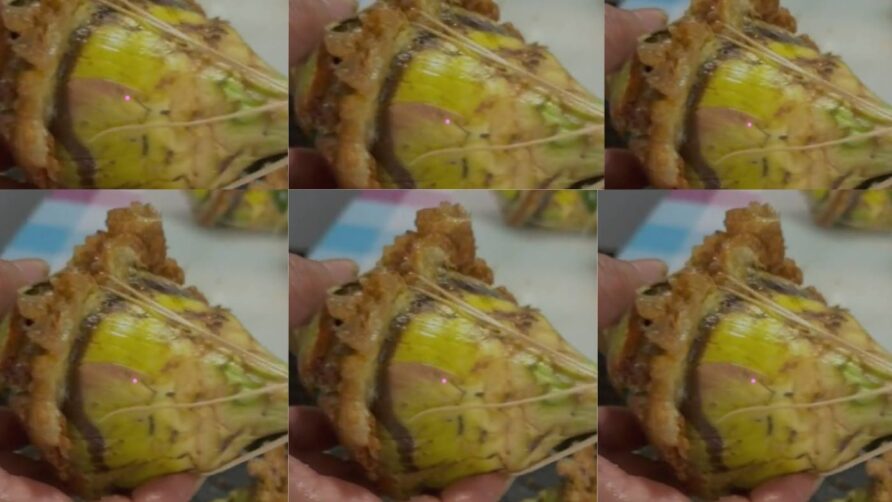
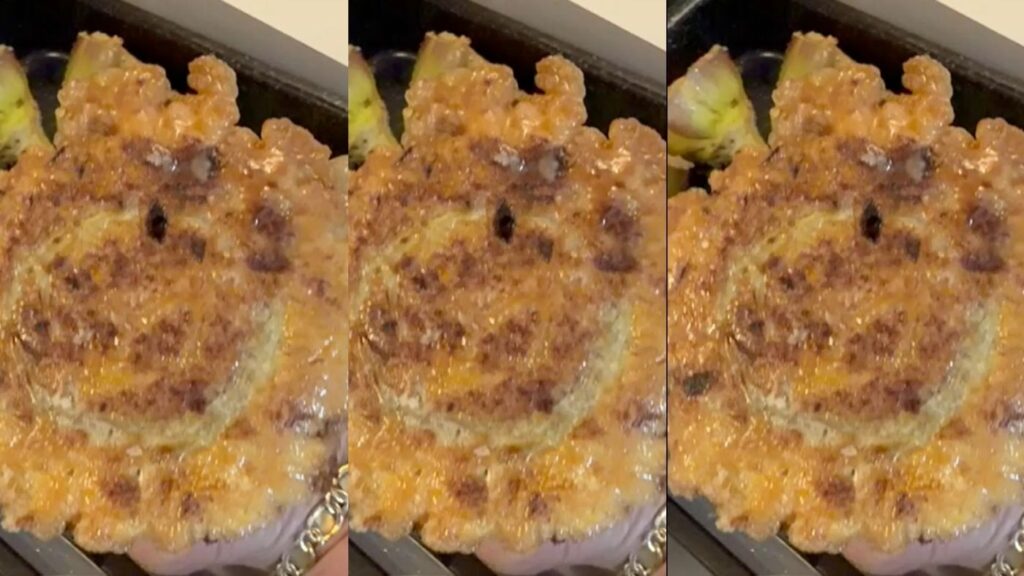
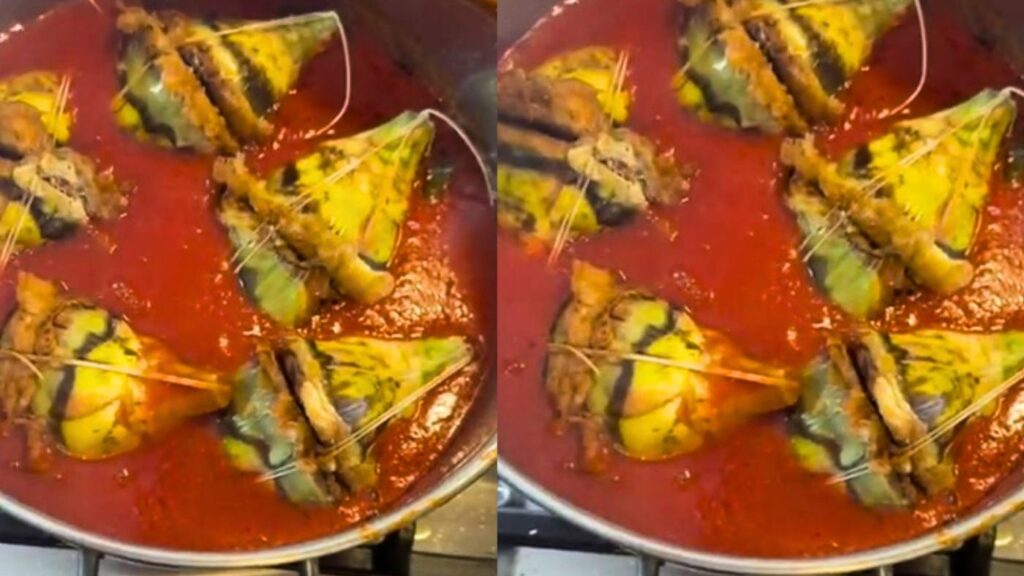
Sicilian stuffed artichokes in tomato sauce not only is a mouthful to say, it is quite the task to prepare.
If you visit Sicily, you might expect to find this dish everywhere. Surprisingly, you will not. Sicilian stuffed artichokes are often homemade and seasonal. This makes them even more special when you do find them.
This is the kind of recipe that belongs in a Sicilian kitchen, especially during a relaxed stay in a villa or a family vacation where food becomes part of the experience.
If you enjoy simple ingredients like cheese, onions, breadcrumbs, eggs, olive oil, and tomato sauce, you are already halfway there. These flavors come together in a way that feels both rustic and comforting.
What makes this dish stand out is not just the ingredients, but how everything is prepared. The artichokes are filled carefully so they hold their shape while cooking in the sauce. When done right, they stay intact and absorb all the flavor without falling apart.
The only thing that makes this dish taste better is having a private chef prepare this for your in villa dinner for you and your guests.
A Dish Rooted in Sicilian History
Artichokes have been part of Sicilian life for centuries, with many historians believing they were first cultivated on the island or nearby in the southern Mediterranean.
Over time, they became deeply embedded in local cuisine, shaped by the many cultures that influenced Sicily—from the ancient Greeks to the Arabs, who introduced new agricultural techniques and flavor combinations.
This layered history is still reflected in how artichokes are prepared today. Whether cooked simply with olive oil and herbs or dressed in the classic Sicilian agrodolce style, every version carries traces of the island’s past.
In Sicily, artichokes are more than just a vegetable—they are a sign that spring has arrived. Markets begin to fill with fresh carciofi, and families return to traditional recipes that have been passed down through generations.
This traditional Sicilian stuffed artichokes recipe is simple but requires attention to detail. Below you’ll find step-by-step instructions to prepare artichokes in tomato sauce just like in a Sicilian home.
Sicilian Stuffed Artichokes in Tomato Sauce
Ingredients 6 artichokes 1 lemon 1 cup breadcrumbs 1/2 cup grated Pecorino or Parmesan 2 cloves garlic, finely chopped 2 tablespoons fresh parsley, chopped olive oil salt and pepper 2 cups tomato passata 1 garlic clove
Method Clean the artichokes by removing the tough outer leaves, trimming the top, and cleaning out the center. Place them in water with lemon juice to prevent browning.
In a bowl, combine breadcrumbs, cheese, garlic, parsley, olive oil, salt, and pepper. Mix until the texture is slightly moist.
Open each artichoke and fill it well with the breadcrumb mixture, pressing the filling inside.
Tie each artichoke gently with kitchen string to keep it closed while cooking and prevent the filling from falling out. In a deep pan, heat olive oil and lightly sauté a garlic clove.
Add the tomato passata and a pinch of salt and let it simmer for a few minutes.
Place the stuffed artichokes upright in the sauce. Add a small amount of water, cover, and cook on low heat for about 40 minutes until tender.
Remove the string before serving and spoon the sauce over the top.
Is Sicilian a language or a dialect? Many visitors to Sicily are surprised to hear that the language spoken on the island is not simply ” Italian with an accent”.
In fact, Sicilian is its own language, with deep historical roots and a rich cultural identity.
A Language with Ancient Origins
Sicilian is a romance language, meaning it evolved from Latin, just like Italian, French, and Spanish. However, it developed independently over centuries, influenced by the many civilizations that ruled Sicily.
Each left a lasting mark on the vocabulary, sounds, and structure of the language.
The First Literary Language of Italy
What many people don’t know is that Sicilian was actually the first literary language in Italy. In fact, Sicilian Was Once More Prestigious Than Italian. What most people don’t realize is that Sicilian wasn’t just “a regional language”, it was once the language of poetry, power, and intellectual life in Italy.
In the 13th century, at the court of Frederick II, Sicily became one of the most culturally advanced places in Europe. His court created what is now known as the Sicilian School of Poetry, which actually influenced the development of modern Italian.
Even Dante Alighieri recognized its importance, referring to Sicilian as a refined and literary language. In other words: before Italian became “Italian,” Sicilian helped shape it.
A Language That Absorbed the World
Sicilian is like a living museum of Mediterranean history. Because Sicily was conquered and ruled by so many civilizations, the language absorbed words from all of them,creating something incredibly unique.
Here are a few examples most people never notice:
Arabic influence: words like zibibbu (raisin) and gebbia (water basin) Greek roots: especially in rural and agricultural vocabulary Norman & French traces: seen in courtly and administrative language Spanish impact: still heard in everyday expressions today
This mix isn’t random—it reflects centuries of trade, conquest, and coexistence. When you hear Sicilian, you’re literally hearing layers of history speaking at once.
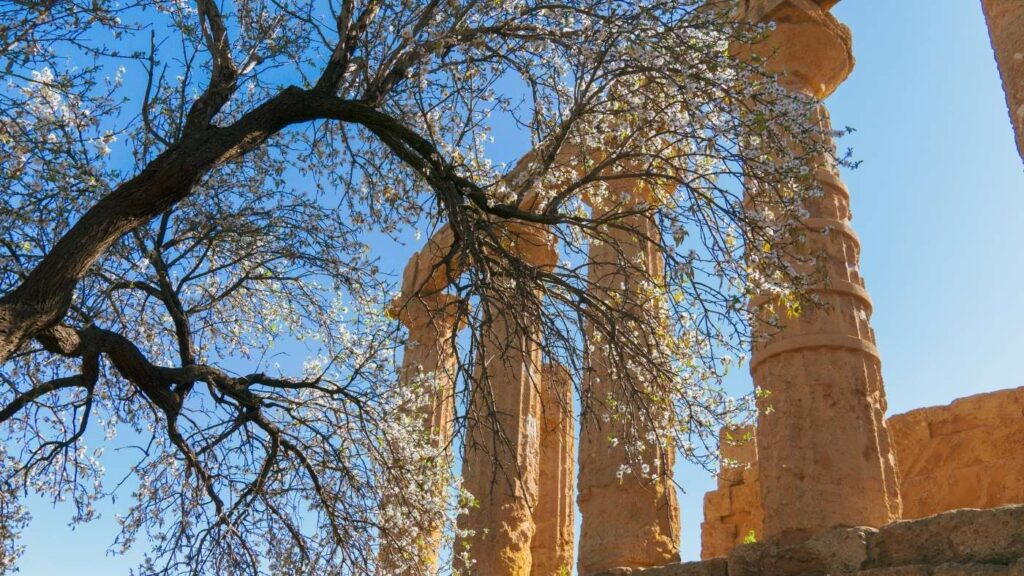
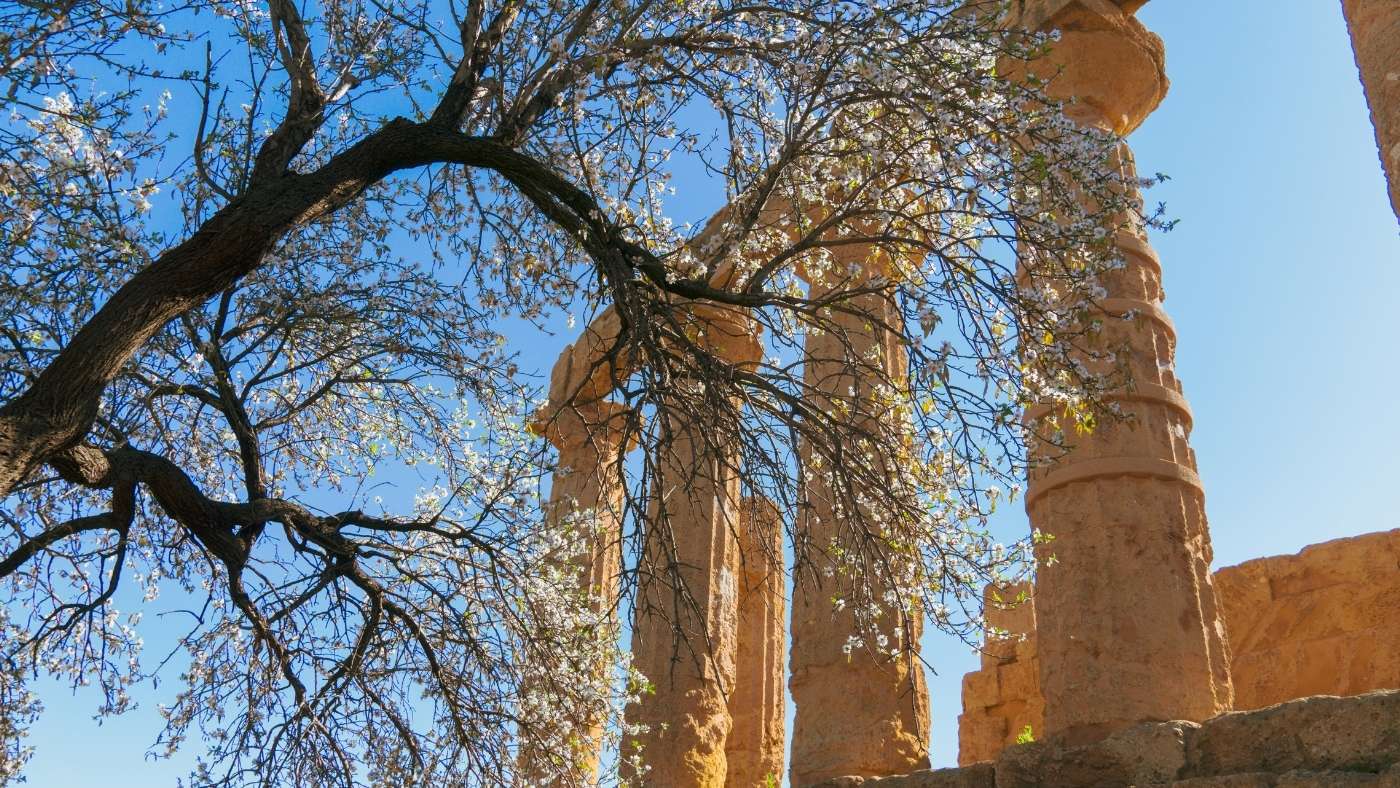
While Sicily’s language reflects a mix of cultures, its architecture tells the same story in stone. In the south, Agrigento reveals the island’s deep Greek roots, with the Valley of the Temples standing as one of the most important legacies of Magna Graecia.
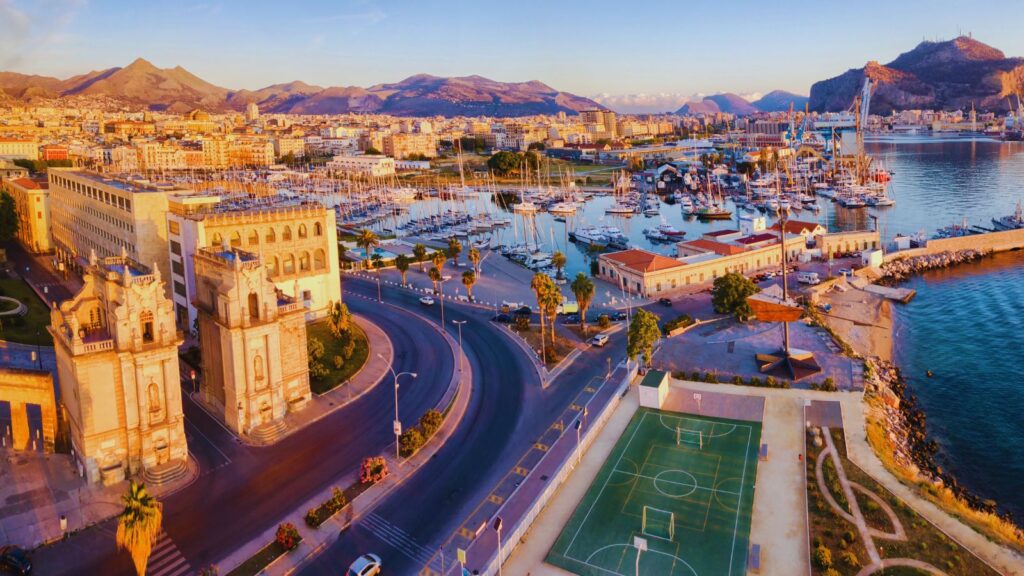
In contrast, Palermo showcases a different chapter of history, shaped by Arab and Norman influences, visible in its domes, mosaics, and layered architectural styles. This contrast is part of what makes Sicily so unique, and it can be experienced firsthand by staying in one of our carefully selected villas located near these extraordinary historical sites.
It’s Not One Sicilian, It’s Many
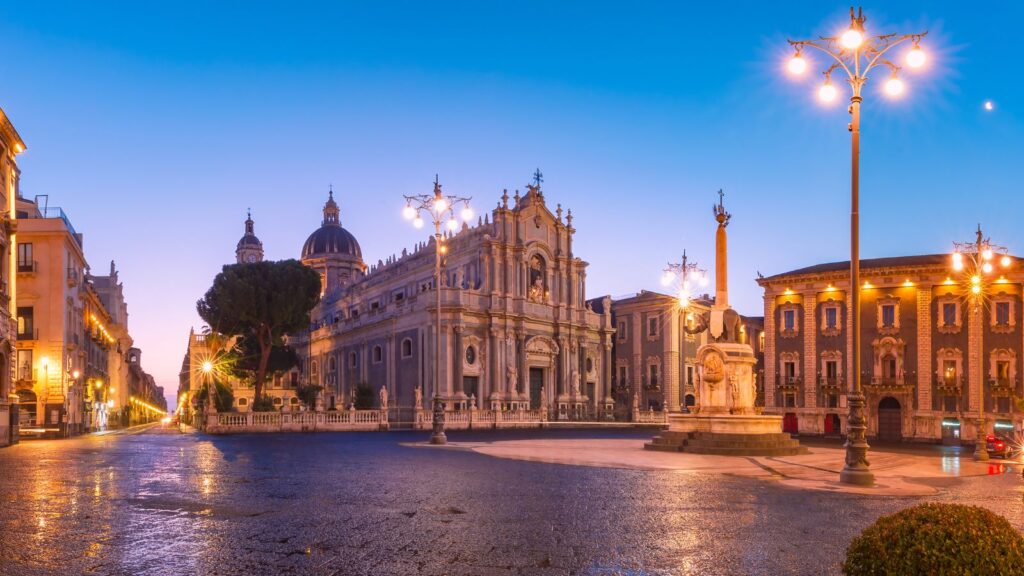
Another surprising truth is that there is not just one version of Sicilian. The language changes noticeably from one town to another, sometimes even within short distances. The Sicilian spoken in Palermo can sound very different from what you hear in Catania.
These variations developed over centuries when many towns were geographically and socially isolated. Each community preserved its own way of speaking, creating differences in pronunciation, vocabulary, and rhythm. Sometimes, the differences are strong enough that Sicilians themselves may need to adjust how they speak to understand one another.
What people commonly call “Sicilian dialect” is not a single unified system, but a collection of related local varieties together forming the Sicilian language.
Why Sicilian Sounds So Different
To many visitors, Sicilian sounds noticeably different from Italian. It often feels faster, more direct, and more expressive. This is not simply a matter of accent, but a reflection of how the language is structured.
Sicilian tends to use shorter and more immediate sentence patterns. Often this reduces or drops vowel sounds that are clearly pronounced in Italian. The result is a rhythm that feels sharper and more dynamic.
At the same time, the language places strong emphasis on tone and expression. This gives it a very emotional quality in everyday speech.
Rather than sounding formal or polished, Sicilian feels grounded and alive. It reflects daily life, relationships, and local identity in a way that standard Italian does not always capture.
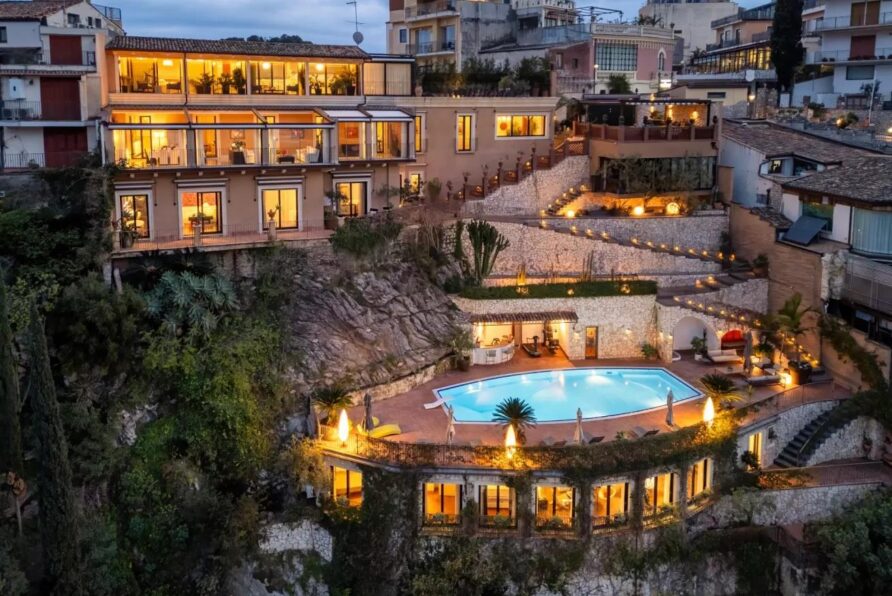
Luxury villas in Sicily offer one of the most exclusive ways to experience the island. Villa Tao Bay in Taormina is a perfect example.
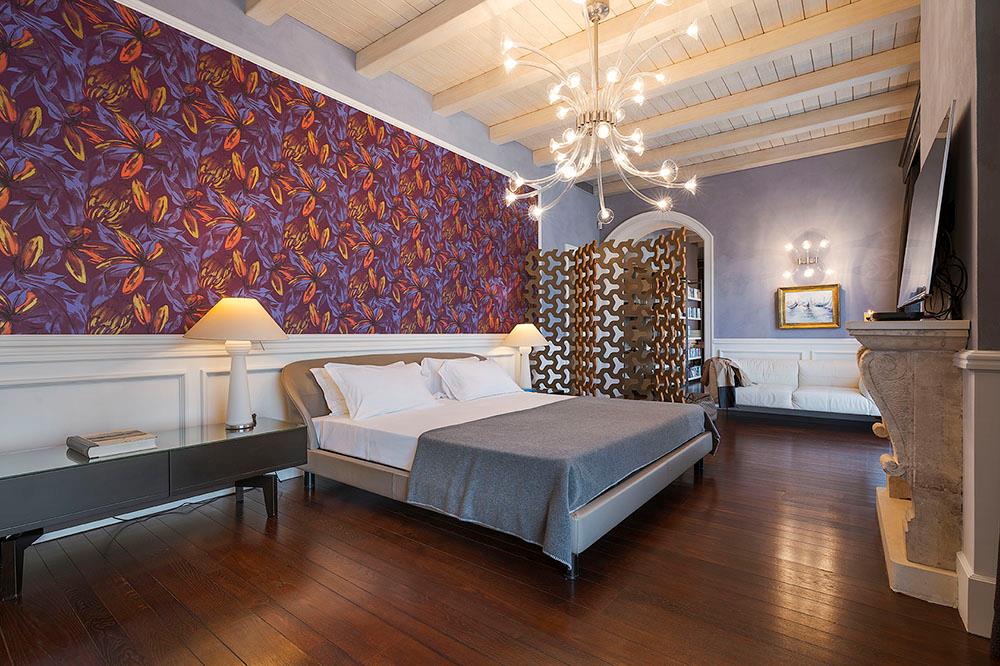
For travelers exploring Sicily villas for a memorable escape, this seafront villa combines elegance, comfort, and breathtaking views.
Why Villa Tao Bay is Perfect for a Luxury Stay in Taormina
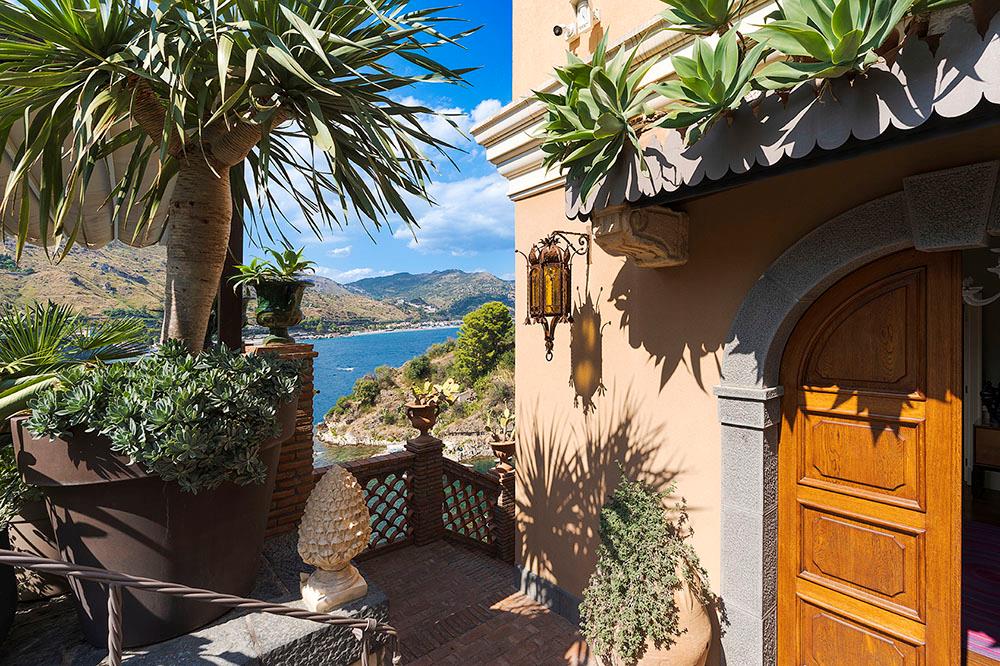
Villa Tao Bay offers a unique setting for travelers visiting Taormina. Moreover, the villa sits directly above the sparkling Ionian Sea.
Guests enjoy breathtaking views from elegant terraces and outdoor spaces. In addition, the peaceful setting creates the perfect atmosphere for relaxation.
Furthermore, the villa combines privacy with easy access to Taormina’s historic center. As a result, visitors can explore the town while enjoying a secluded retreat.
Why Taormina Is One of Sicily’s Most Famous Destinations
Taormina attracts travelers from around the world for its dramatic coastal views and historic charm. Perched above the Ionian Sea, the town offers breathtaking scenery in every direction.
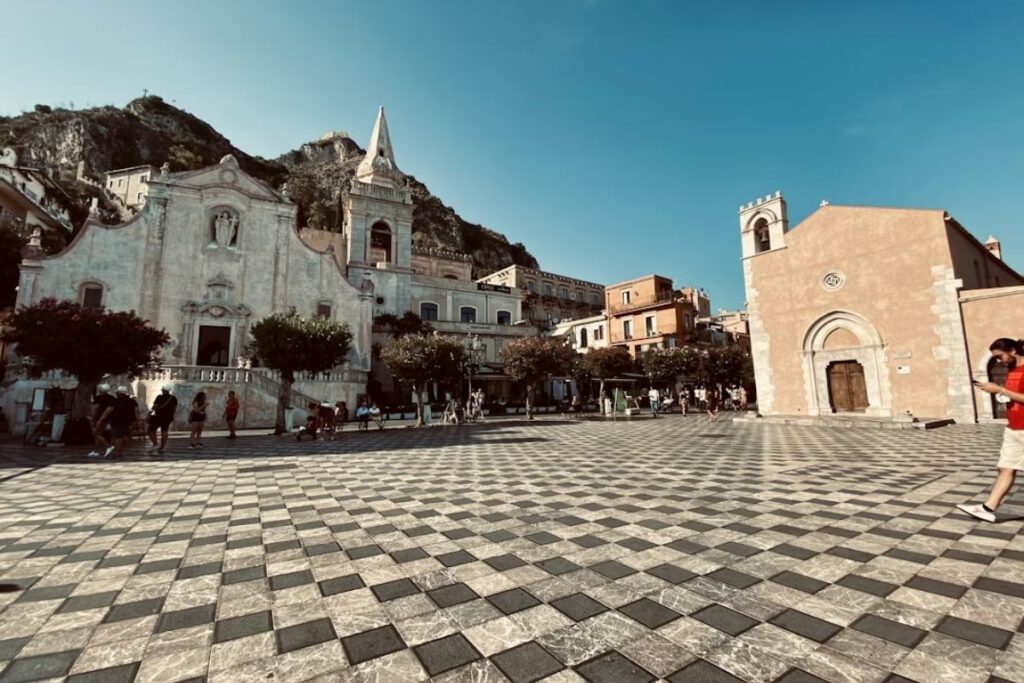
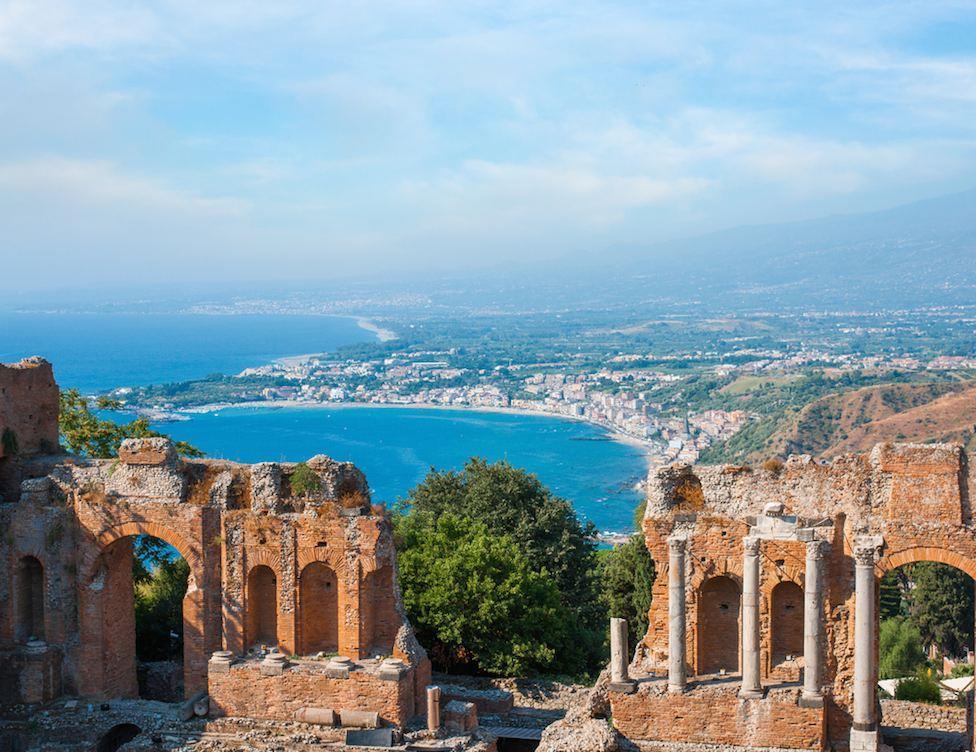
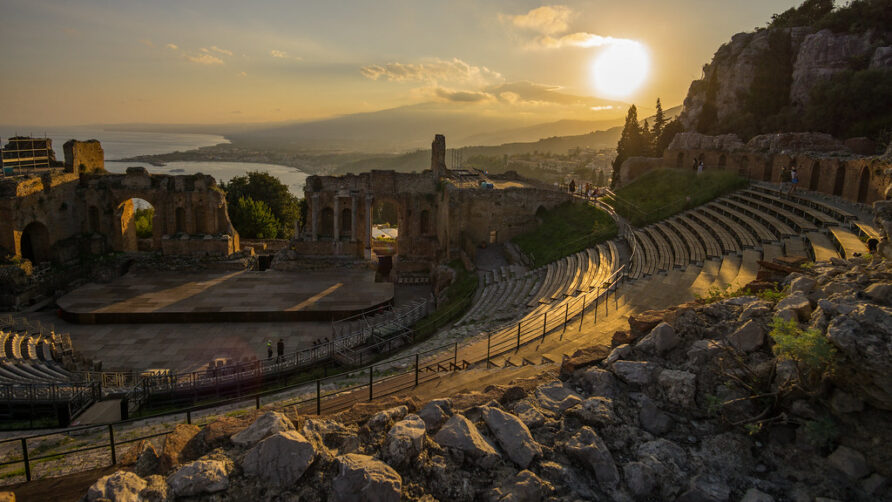
Visitors stroll along Corso Umberto, the lively street filled with boutiques, cafés, and local restaurants. Nearby, the ancient Greek Theatre offers unforgettable views of Mount Etna and the sea.
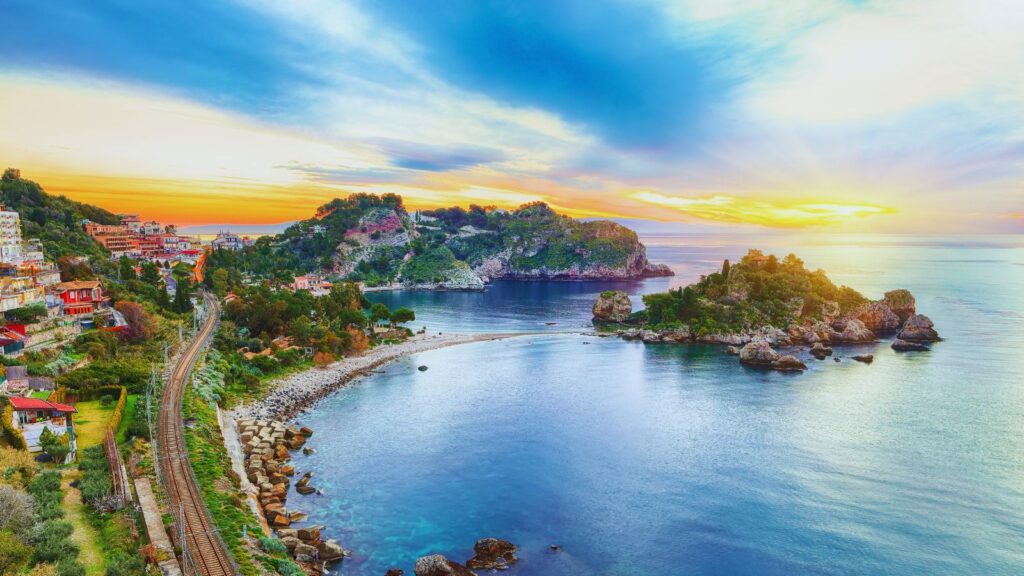
Beaches such as Isola Bella provide crystal-clear water and beautiful Mediterranean landscapes. Because of this setting, Taormina remains one of the most beloved destinations in Sicily.
From Villa Tao Bay, guests can easily explore the town while enjoying a peaceful retreat by the sea.
What Guests Love About Staying in Taormina
Travelers visiting Taormina often fall in love with the town’s dramatic coastal scenery and vibrant atmosphere. However, many visitors discover that staying in a private villa offers a very different experience.
Unlike hotels in the busy center, luxury villas in Sicily provide space, privacy, and spectacular views of the coastline. Guests can begin the morning with coffee on a terrace overlooking the Ionian Sea.
During the day, visitors explore Taormina’s historic streets, beaches, and restaurants. In the evening, they return to a peaceful setting above the sea.
For many travelers, this balance between exploration and relaxation is what makes a villa stay in Taormina truly memorable.
Easter in Sicily is one of the most fascinating times of the year to visit the island, when ancient traditions, vibrant festivals, and spring celebrations bring towns to life.Candlelit processions wind through historic streets, while church bells echo across ancient piazzas. In addition, the island begins to bloom with color and warmth after the winter months.
For travelers, this season offers a unique way to experience authentic Sicilian culture. Many visitors choose this time for vacationing in Sicily because the weather is mild and the atmosphere is vibrant. In addition, staying in villas in Sicily allows guests to explore the island at their own pace.
From countryside retreats to coastal estates, luxury villas in Sicily offer comfort, privacy, and unforgettable views. For families and groups, private villas in Sicily provide the perfect base for discovering the island’s most beautiful Easter traditions.
Good Friday Processions
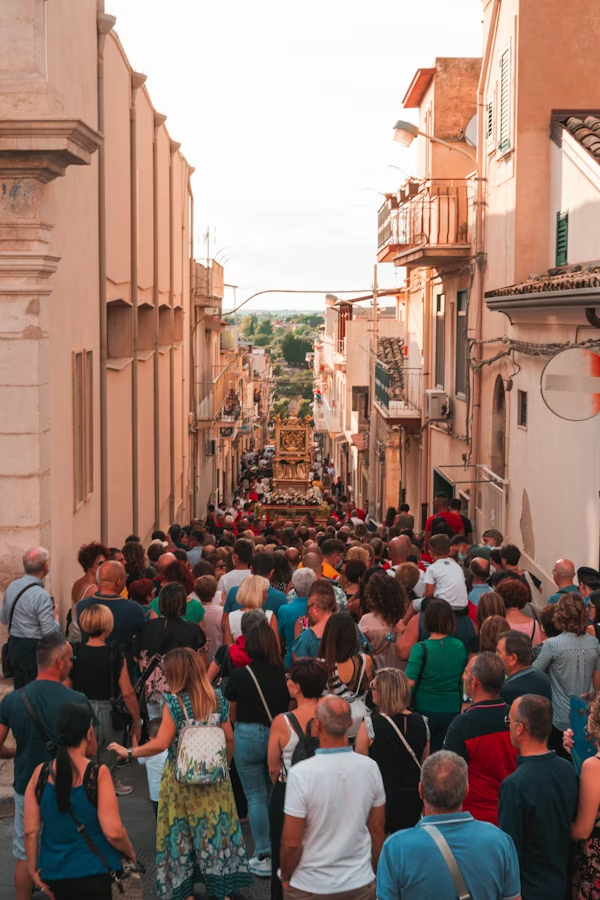
Good Friday is one of the most solemn moments of Easter in Sicily. Across the island, towns gather to remember the Passion of Christ through candlelit processions. Local confraternities slowly carry statues of the Cristo Morto, the Dead Christ, through historic streets as church bells fall silent.
In the small Sicilian town of Aidone, the procession of the Dead Christ is particularly moving. Members of the community carry the statue through the night in a decorated glass coffin. Women dressed in traditional mourning robes walk beside it, symbolizing the sorrow of the Virgin Mary. Candles and lanterns illuminate the quiet streets and create a powerful moment of reflection that generations have preserved.
For visitors vacationing in Sicily, witnessing these processions offers a rare glimpse into the island’s deep spiritual traditions. Staying in villas in Sicily allows travelers to explore these historic towns while enjoying the comfort and privacy of the countryside. Many visitors choose luxury villas in Sicily or private villas in Sicily as the perfect base for discovering these authentic Easter celebrations.
The Easter Meeting of the Madonna in Scicli
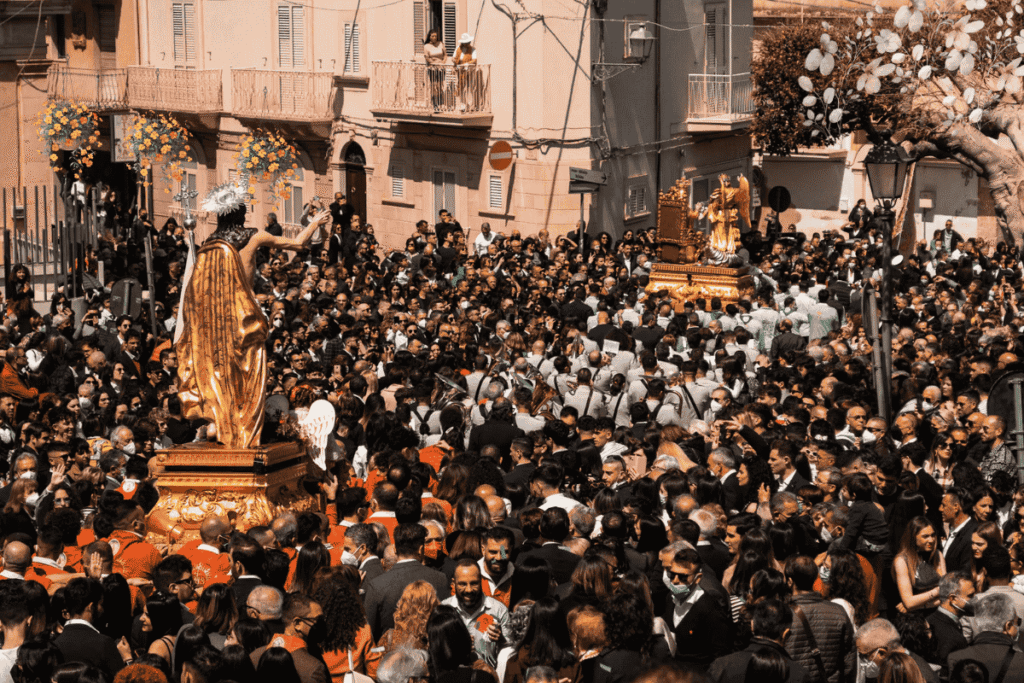
One of the most joyful Easter traditions in Sicily takes place in the beautiful baroque town of Scicli. Known as L’Incontro, this celebration marks the emotional moment when the Virgin Mary meets the resurrected Christ on Easter Sunday.
Throughout the morning, locals carry two statues through different parts of the town. One represents the Madonna, still dressed in mourning. The other represents the risen Christ. Crowds gather in the main square as the two processions slowly approach each other.
Events like this show how deeply Easter traditions remain woven into daily life across Sicily. For those vacationing in Sicily, witnessing these celebrations offers an unforgettable glimpse into the island’s culture and history.
Staying in villas in Sicily allows travelers to explore historic towns like Scicli while enjoying comfort and privacy. Many visitors choose luxury villas in Sicily or private villas in Sicily as a base for discovering these traditions. From peaceful countryside retreats to elegant coastal homes, a villa stay makes it easy to experience Sicily during one of its most vibrant seasons.
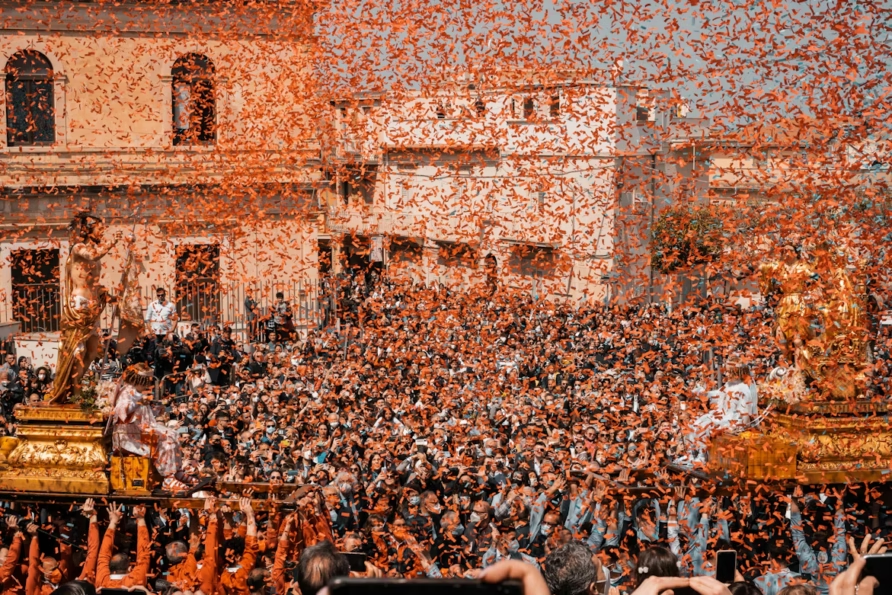
In the moment captured in this image, the statues finally meet in front of a sea of spectators. The atmosphere is electric. Bells ring, music begins, and the crowd erupts in celebration. The moment symbolically reveals the Resurrection. The Madonna’s sorrow turns to joy as the town celebrates Christ’s return to life.
A Sweeter tradition: Cuddura Cu L’Ova
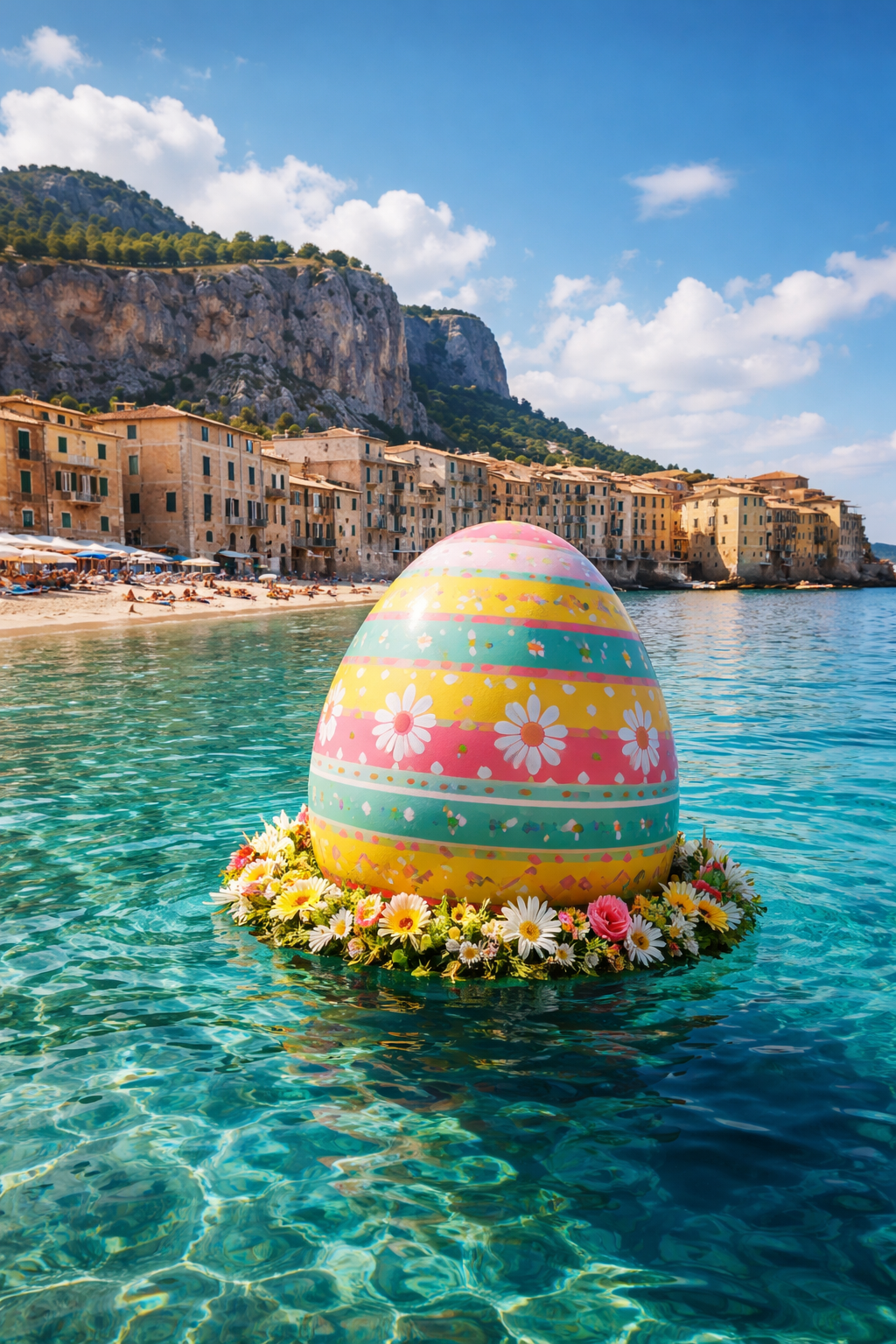
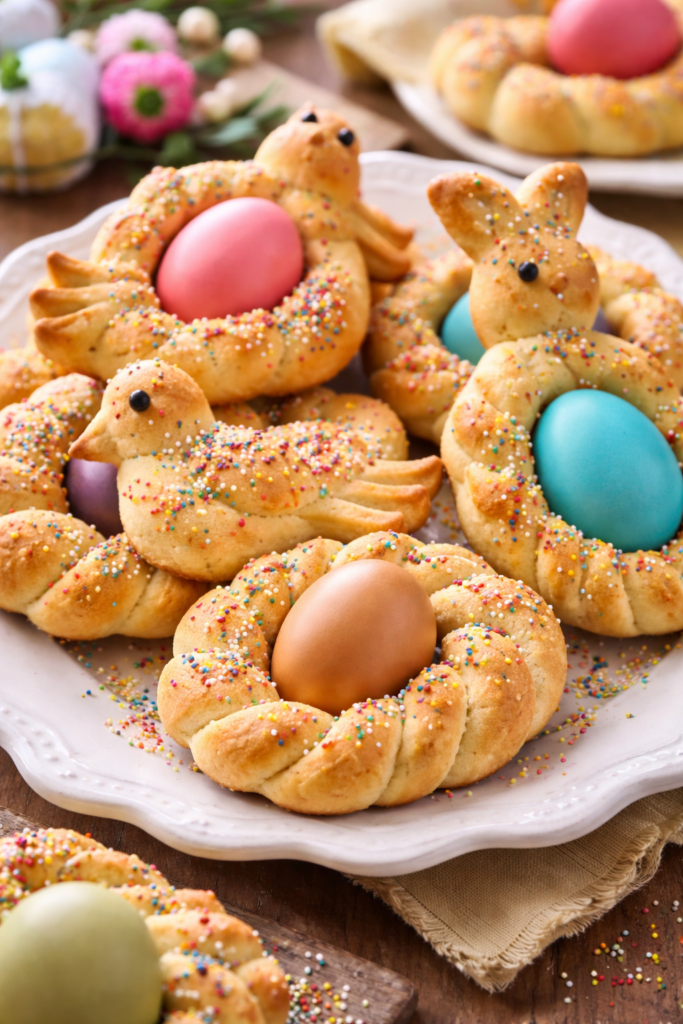
During Easter in Sicily, bakeries and family kitchens fill with the scent of freshly baked sweets. One of the most beloved seasonal treats is the traditional Cuddura cu l’Ova. Bakers prepare these festive pastries with a lightly sweet dough, decorate them with colorful sprinkles, and place a whole egg in the center before baking.
The egg carries an important meaning. In Sicilian culture, it symbolizes new life and renewal, making it a perfect symbol of the Easter season. Bakers shape the dough into rings, braids, or small baskets that cradle the egg like a jewel.
In the days leading up to Easter, bakery windows across the island display rows of these beautifully decorated sweets. Families often prepare them at home as well, passing recipes down through generations and sharing them with children and friends.
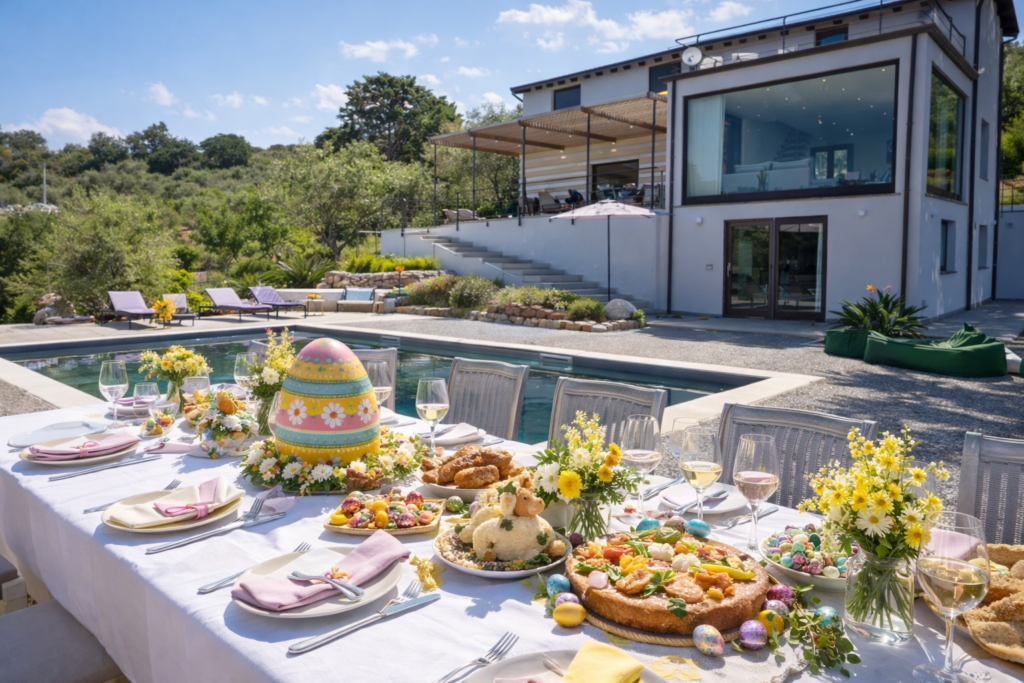
These traditions show how deeply food and culture shape everyday life in Sicily. After wandering through lively markets or Easter processions, returning to the quiet comfort of villas in Sicily offers a chance to slow down and enjoy these simple pleasures.
Whether staying in elegant countryside homes or luxury villas in Sicily, visitors experience the island’s traditions most vividly around the table, surrounded by local flavors and the rhythms of Sicilian life.
Spring is one of the most beautiful times to experience Sicily. The island begins to bloom with wildflowers, citrus trees fill the air with their fragrance, and the countryside turns vibrant green under the Mediterranean sun. It’s the perfect season for exploring historic towns, enjoying long seaside walks, visiting local markets, and discovering Sicily’s incredible food traditions.
For travelers looking for comfort and privacy, Sicily4U offers a curated collection of private villas across the island, many with heated pools so guests can relax and swim even during the cooler spring months.
Whether you’re planning an Easter getaway or a peaceful countryside escape, staying in a private villa allows you to experience Sicily at your own pace, surrounded by the beauty and authenticity that make the island so unforgettable in every season.
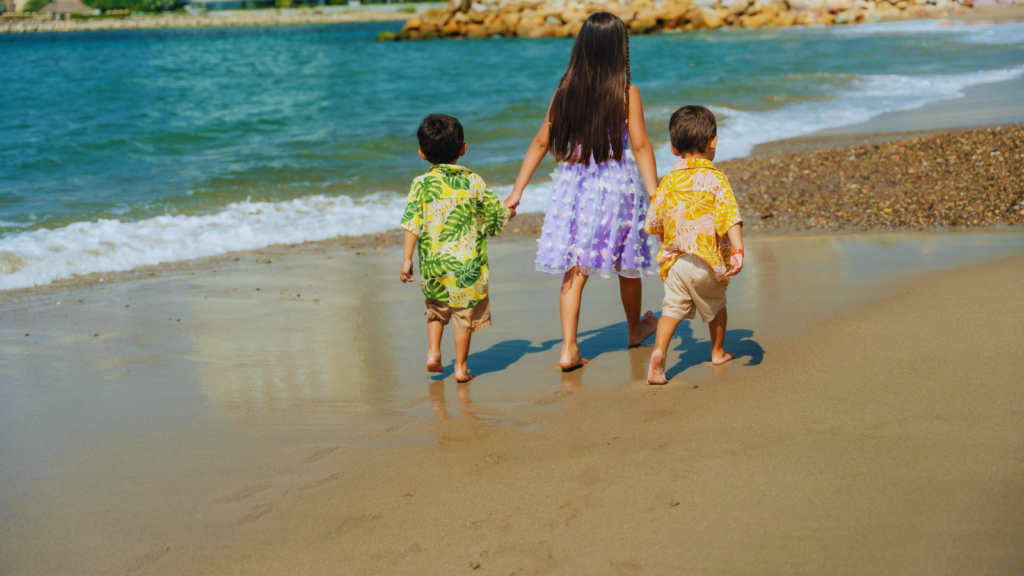
Sicily is one of Europe’s best destinations for families. It offers beaches, culture, outdoor activities, and a relaxed lifestyle.
In fact, families quickly notice how welcoming the island is for children. Restaurants are family-friendly. Locals love kids. Large piazzas and open spaces make exploring easy.
In addition, Sicily offers a wide range of activities for all ages. Families can enjoy nature, history, and outdoor adventures in every region.
For example, children can spend the day on sandy beaches. They can visit nature parks or enjoy boat trips along the coast. Many towns also offer safe pedestrian areas for relaxed walks.
As a result, planning a flexible and stress-free family holiday becomes easy. Staying in one of the many family-friendly Sicily villas is a great choice for families. A private Sicily villa offers space, comfort, and privacy. Many Sicily villas are close to beaches, towns, and top attractions.
Choosing the right Sicily villa allows families to enjoy the island at their own pace. It also creates a relaxed home base for exploring together.
.
Why Sicily is Perfect for Families
Sicily is an ideal destination for families because it combines variety, safety, and a relaxed atmosphere.In addition, unlike many busy European destinations, life here moves at a slower pace.
What Parents Will Appreciate
Warm weather for most of the year
A strong family culture
Kid-friendly restaurants and cafés
Plenty of outdoor space to play and explore
As a result, whether your children love the beach, animals, history, or adventure, Sicily makes it easy to create a holiday that works for everyone.
Best Places To Visit in Sicily With Kids
Family-Friendly Cities in Sicily
Cefalù
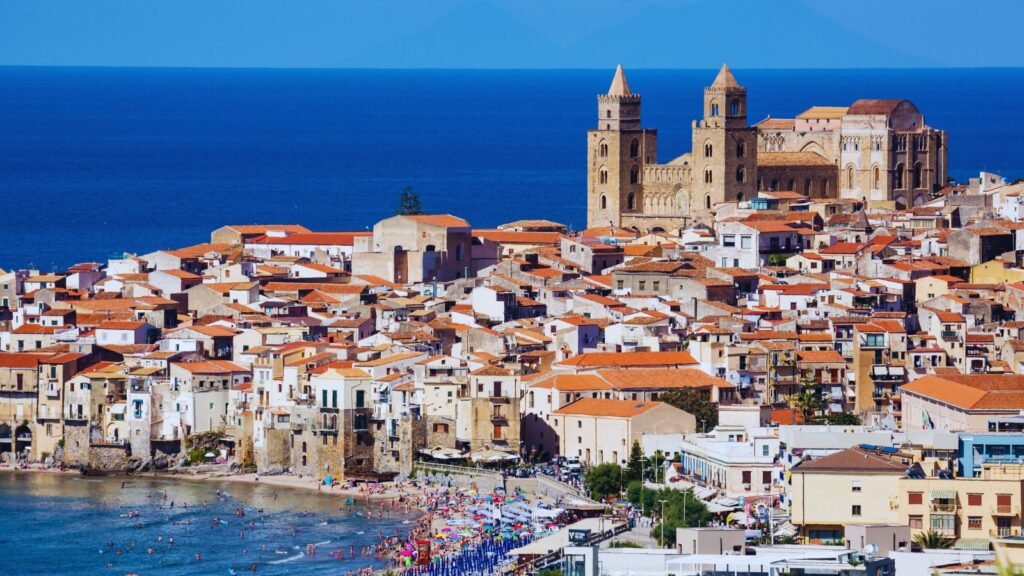
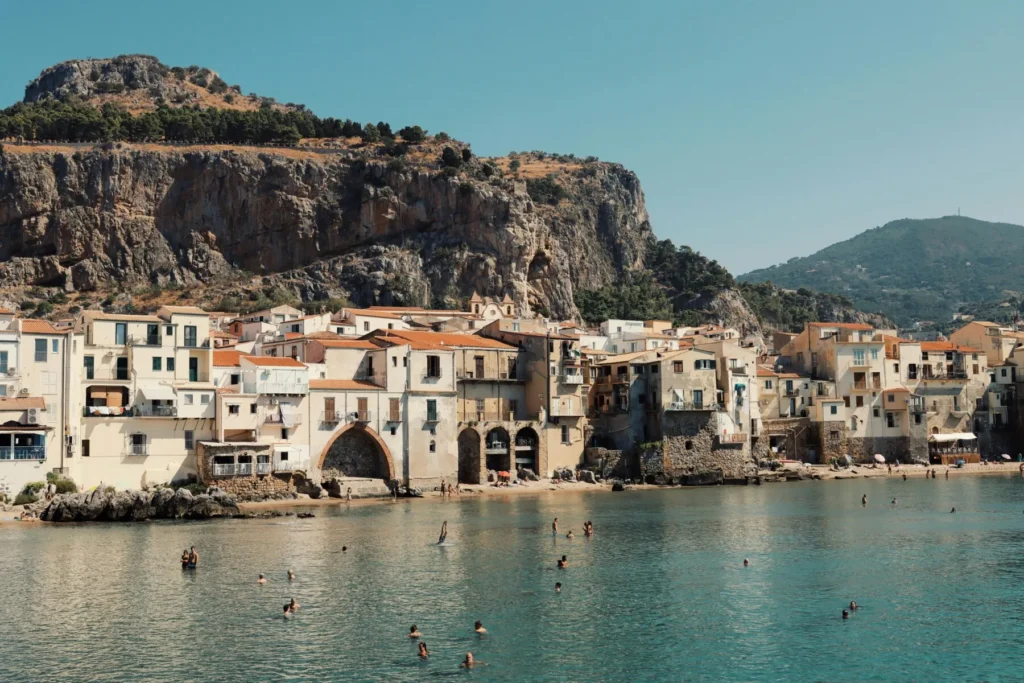
For example, Cefalù is one of the best destinations for families traveling to Sicily with kids. For a detailed itinerary, read our guide to visiting Cefalù. The historic center is compact and walkable, and the long sandy beach is perfect for young children. In addition, the relaxed atmosphere makes it ideal for a stress-free family stay.
For families visiting Cefalù, staying in a private luxury villa can make the experience even more special. Our villas in Cefalù offer the perfect combination of comfort, privacy, and authentic Sicilian charm.
Taormina
Taormina is one of the most beautiful destinations for families visiting Sicily with kids. The town offers stunning views, a relaxed atmosphere, and easy access to the sea.
Families can explore the charming historic center, ride the cable car down to the beach at Isola Bella, and enjoy a mix of sightseeing and relaxation. In addition, the pedestrian streets, open squares, and family-friendly restaurants make it easy to visit with children.
Because everything is close together, Taormina is ideal for a stress-free day trip or family stay.
Families who want more space and privacy often choose to stay in one of our villas near Taormina. Many offer private pools, beautiful views of the coastline, and peaceful surroundings while still being within easy reach of the town’s historic center and beaches.
Palermo
Palermo is a vibrant destination that combines culture, history, and outdoor experiences, making it a great choice for families visiting Sicily with kids. At the same time, the city’s lively atmosphere and wide open squares give children space to explore. Another highlight for families is the variety of green areas, including the Botanical Garden and Parco della Favorita, where kids can run and play. Meanwhile, just a short distance from the city center, Mondello Beach offers shallow water and soft sand, ideal for a relaxing family day by the sea.
Since many of the main attractions are located close to each other, getting around is simple and convenient. Therefore, Palermo works well both as a day trip and as a short family stay. To discover more about Palermo read our Guide on things to do in Palermo.
The area is also a great base for families staying in one of the many family villas in Sicily nearby.
Families who want more space and comfort can also explore our selection of villas near Palermo, offering beautiful outdoor spaces and an ideal base for discovering the city and nearby beaches like Mondello.
Catania
The Catania area is an excellent base for families exploring eastern Sicily with kids. In particular, its location near Mount Etna offers a unique mix of adventure, culture, and outdoor experiences.
Families can visit the lively historic center, explore local markets, and enjoy spacious piazzas where children can move around freely. At the same time, the nearby coastline provides easy access to beaches and seaside towns for relaxing breaks between sightseeing.
Another major highlight for families is Mount Etna itself, where guided excursions, cable car rides, and easy walking trails allow children to experience Europe’s highest active volcano in a safe and memorable way. Because so many attractions are located within a short distance, the Catania area works well for families looking to combine fun activities with nature and cultural experiences.
To discover more about this area visit our page about visiting Catania .
Families looking for more space and flexibility can explore our villas near Catania, a perfect base for discovering Mount Etna and the beautiful eastern coast of Sicily.
Top Kid-Friendly Activities in Sicily
Additionally, Sicily offers a wide range of experiences that go beyond beaches and historic towns. From outdoor adventures to educational attractions, these family-friendly activities are perfect for adding variety to your Sicily with kids itinerary.
Here are some of the best things to do in Sicily with kids.
Bioparco di Sicilia offers a fun and educational day out for families visiting the Palermo area. This well-maintained wildlife and botanical park combines animal encounters with shaded green spaces, making it ideal for a relaxed visit with children.
The park is home to a variety of species, including lemurs, reptiles, birds, and farm animals, along with themed botanical areas that introduce kids to different ecosystems.
Educational panels and interactive experiences make the visit both entertaining and informative. As a result, it’s a great alternative to large theme parks, especially for families looking for a quieter, nature-focused activity suitable for all ages.
Best for: Ages 2+, half-day family visits, animal lovers, educational experiences
Nestled in the Madonie Mountains, Pollina Adventure Park offers an exciting outdoor experience for families visiting Sicily with kids. The park features aerial obstacle courses, a climbing wall, and zip lines through the trees. As a result, children can stay active while enjoying nature. This is an ideal choice for active families. It’s perfect if you want to add outdoor adventure to your Sicily family trip away from the beach.
Best for: Ages 6+, adventurous kids, nature-loving families
GAL Hassin is one of Italy’s most advanced astronomy centers and a unique stop when visiting Sicily with kids. Located in the Madonie Mountains, the area offers minimal light pollution and ideal stargazing conditions. The center features a large planetarium designed for children. In addition, families can explore interactive science exhibits. In the evening, guided stargazing sessions make the experience even more memorable. As a result, this family-friendly attraction combines education, discovery, and wonder.
Best for: Ages 6+, science-curious children, evening family activities
Located in Syracuse, Tecnoparco Archimede brings ancient Greek science to life for families visiting Sicily with kids. The hands-on museum features working replicas and scale models of Archimedes’ inventions from the 3rd century BC. Kids can interact with ancient technology such as levers and pulleys. As a result, science becomes tangible, educational, and fun for the whole family.
Best for: Ages 7+, history-minded families, rainy day activities
Location: Syracuse (Siracusa)
Planning Your Sicily Family Adventure
Sicily is a destination that truly works for all ages. From sandy beaches and theme parks to mountains and science centers, families can easily mix fun, learning, and relaxation.
Whether you’re traveling with toddlers or teenagers, the island offers experiences that keep everyone engaged. At the same time, the relaxed pace makes it easy to explore without stress.
Ultimately, Sicily with kids is about balance, adventure during the day and simple moments together in the evening. With the right planning, your family trip in 2026 can be both memorable and effortless.
Discover our collection of family-friendly villas in Sicily and find the perfect home base for your next adventure.
Sicily offers everything you need for a relaxed and memorable family holiday in Sicily.
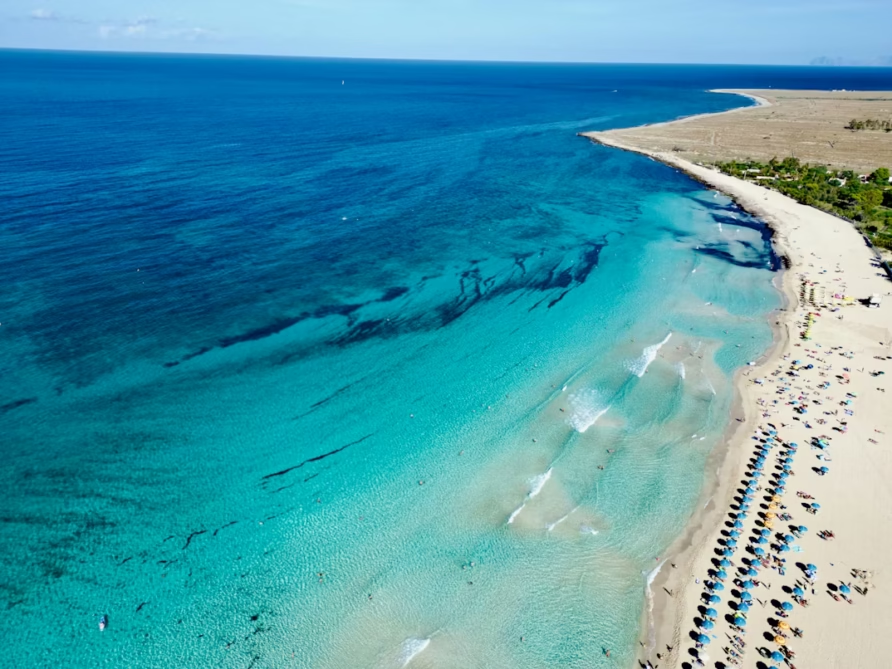
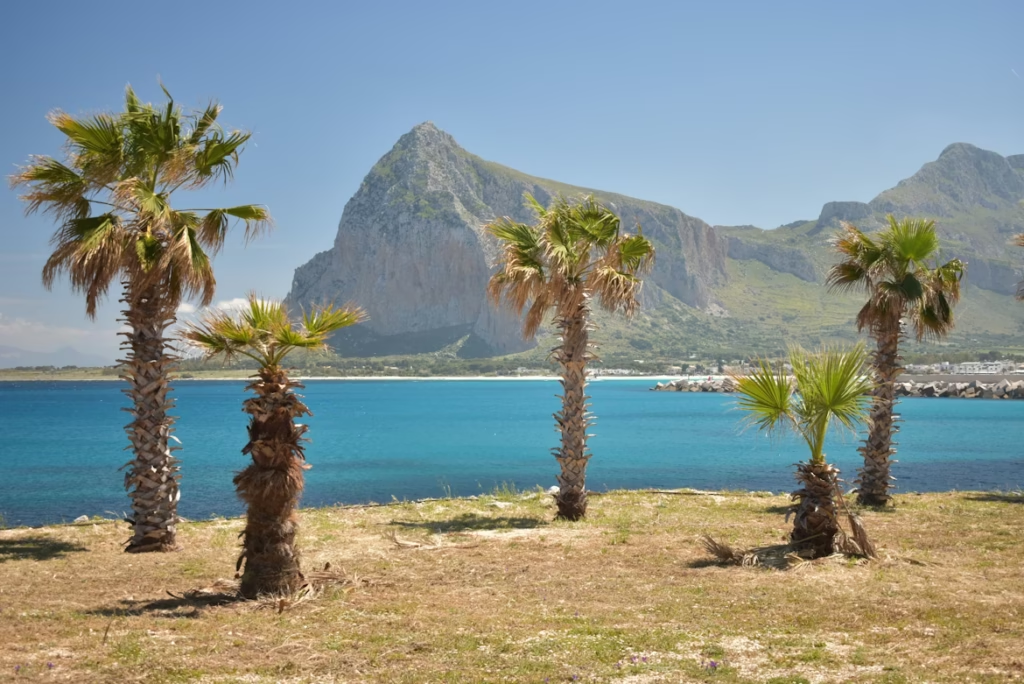
Ask travelers what they remember most about San Vito Lo Capo Sicily.The answer is almost always the same: the beach. In fact, many visitors rank it among the most beautiful beaches in Sicily. Its bright white sand and clear turquoise water make it unforgettable.
When travelers search for the most beautiful beaches in Italy, one destination appears again and again: San Vito Lo Capo. Located on Sicily’s northwestern coast, the town offers a Caribbean-style shoreline, calm waters, and a relaxed Mediterranean atmosphere.
.
An Ideal Base for an Unforgettable Sicilian Stay
What truly sets San Vito Lo Capo Sicily apart is its balance of beauty and simplicity. The town feels lively but never crowded, and it’s easy to explore on foot.
As a result, visitors can relax while still enjoying everything the area offers. Travelers swim in crystal-clear water, stroll through the compact town center, and take day trips to nearby highlights such as the Zingaro Nature Reserve and Erice.
Overall, the area combines relaxation, nature, and authentic local atmosphere in one unforgettable stay.
A Beach Town With a Relaxed, Walkable Heart
One of the most appreciated aspects of the beach is how easily visitors can settle into the day. Travelers often note how effortless it feels to spend hours here without ever feeling rushed. Equipped beach clubs and lidos sit naturally alongside long stretches of free public beach, giving everyone the freedom to choose their own pace and style.
Whether you prefer a Fully Serviced Beach, or a more minimalist approach with just a towel by the sea, San Vito Lo Capo offers both—making it one of the most versatile and welcoming beach destinations in Sicily. It’s this balance of beauty, comfort, and simplicity that keeps travelers returning year after year.
More Than Just a Beach Destination
Although San Vito Lo Capo Sicily is famous for its spectacular beach, the area offers much more than seaside relaxation.
In fact, many travelers discover a wide range of excursions and experiences nearby. With its mix of nature, history, and coastal scenery, the town makes an excellent base for exploring western Sicily.
Just a short drive away, the Zingaro Nature Reserve features one of the island’s most beautiful protected coastlines. Visitors can hike scenic trails, swim in hidden coves, and admire dramatic cliffs above turquoise water. As a result, the reserve provides the perfect contrast to relaxing beach days.
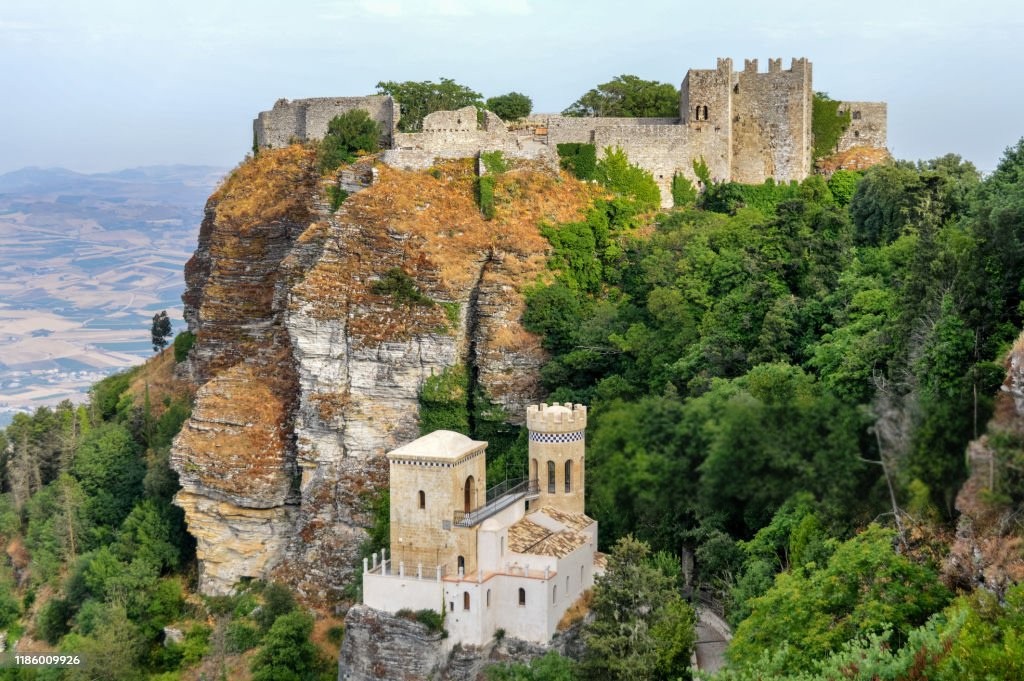
Another popular excursion leads to the medieval hill town of Erice, high above the coast. Visitors come for the panoramic views, quiet cobblestone streets, and historic stone buildings. Moreover, the cooler mountain air offers welcome relief during the summer. For travelers interested in Sicilian history and culture, Erice is an ideal half-day trip.
Fun Facts About San Vito Lo Capo
It Looks Like The Carribean – But it’s 100% Sicily
San Vito Lo Capo is often compared to the Caribbean because of its fine white sand and turquoise water. However, the coastline is completely authentic and uniquely Sicilian. In fact, many travelers are surprised to find one of Italy’s most beautiful beaches right here on the island.
Everything is Within Walking Distance
San Vito Lo Capo is compact and easy to explore. Hotels, restaraunts, and shops sit just steps from the beach. As a result, visitors can enjoy a relaxed, car free stay.
It’s Next to the ZIngaro Nature Reserve
Just minutes away, the Zingaro Natire Reserve protects one of Sicily’s most beautiful stretches of coastline,
Visitors can hike scenic trails,swim in hidden coves, and enjoy unspoiled nature.
The Water Stays Calm Even on Windy Days
Thanks to the natural bay and surrounding mountains, the sea here is often calmer than in other parts of Sicily. For this reason, it’s especially popular with families.
It’s Lively Without Feeling Crowded
San Vito Lo Capo offers great restaraunt’s and a welcoming atmosphere, yet the town never feels chaotic. Instead, visitors enjoy a perfect balance between energy and relaxation
More than just a place to visit, San Vito Lo Capo is a destination that stays with you. It’s the kind of Sicilian seaside town that leaves travelers not only satisfied but already imagining their return, drawn back by its simplicity, authenticity, and unmistakable charm.
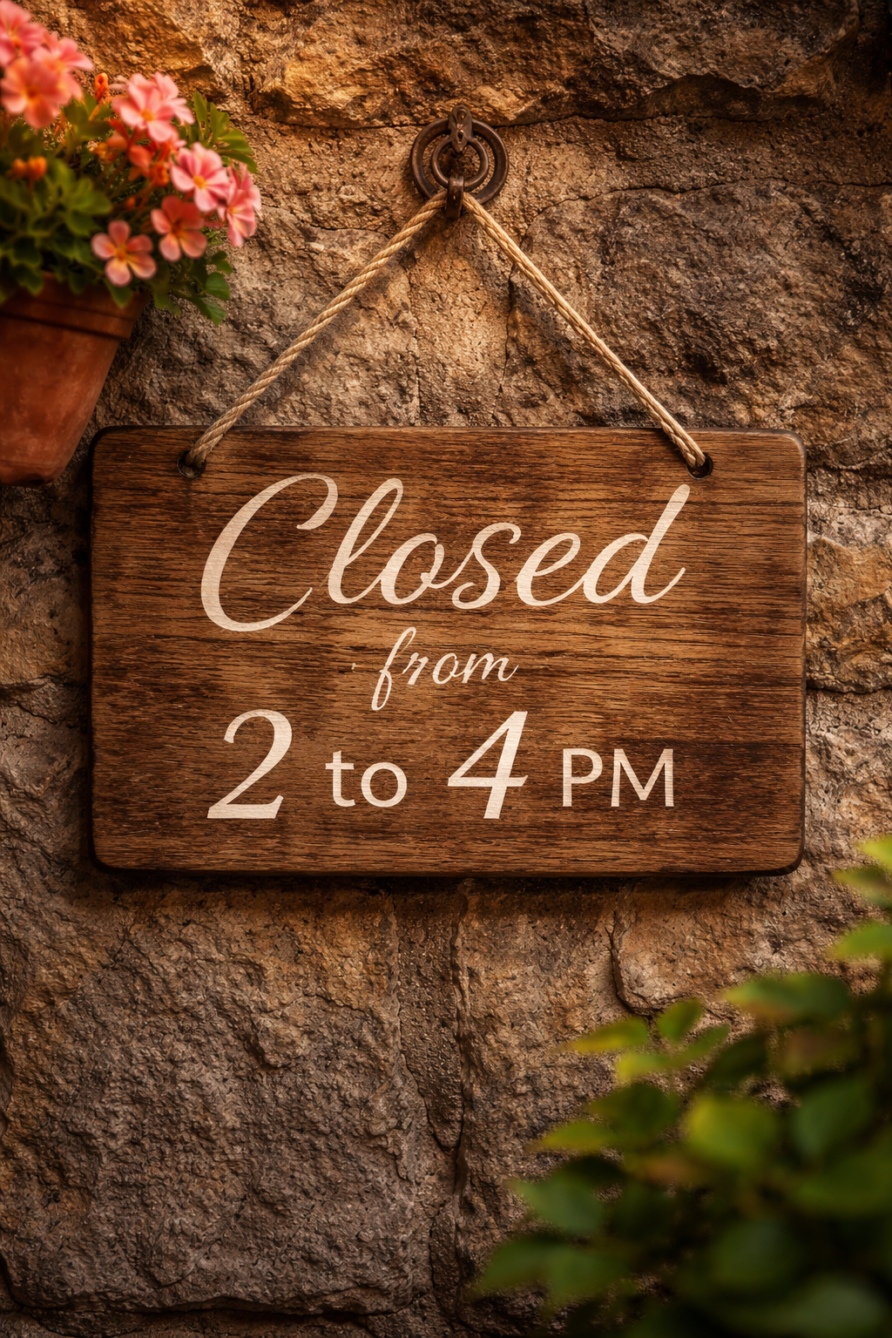
Ok so it’s your first time traveling to Sicily. You arrive in a Sicilian town in the early afternoon and it may feel as though the day has quietly paused. Shops are closed, streets are empty, and the usual energy has softened into silence. Here are a few travel tips for Sicily that will come in handy during the hours of 2 and 4 pm. If you’re visiting Sicily for the first time this blog is for you!
Spain calls it Siesta. In Sicily we call this Riposo, Rest.
Life in Sicily moves to a rhythm shaped by sunlight, heat, and tradition. Mornings are active and social. Afternoons slow down, inviting rest and stillness. As the sun lowers, the island comes back to life with conversation, aperitivo, and long dinners that unfold without hurry.
For many first time visitors, this pace can be surprising. Plans may need adjusting. Timetables lose importance. Yet once understood, this slower flow becomes one of Sicily’s greatest charms.
Rather than fighting the quiet hours, the key is learning how to move with them. When you do, Sicily reveals a way of living that feels calmer, more balanced, and deeply human. Figuring out how to plan a trip to Sicily can be daunting all on your own. Luckily we made the mistakes for you to offer these travel tips when you visit Sicily. Understanding hours of Riposo can save you a bit of grief and will help you plan days better, especially if you are visiting a less touristy area.
Do restaurants stay open during riposo in Sicily?
Often yes, but it depends on where you are and the season.
Usually open during riposo:
Restaurants in tourist areas (Taormina, Cefalù, Ortigia, Palermo historic center)
Seafront restaurants and beach clubs
Hotel restaurants
Pizzerias with all-day service (more common in summer)
What closes during Riposo in Sicily?
Small, local trattorie in non-touristy towns
Family-run places that reopen for dinner around 7:30–8:00 pm
Inland villages, especially outside high season
Rule of thumb: The more local and residential the area, the more likely lunch service ends by 2:30–3:00 pm.
What people can do during riposo hours (and why it’s actually great)
1. Have a long, relaxed lunch
This is what Sicilians do. Lunch isn’t rushed, and it often stretches into the early afternoon.
2. Go to the beach or a lido
Beach clubs stay open all day. Riposo is actually the quietest, calmest beach time.
3. Rest at your accommodation
This is where villas shine:
pool time
a nap
reading
kids reset It turns “everything is closed” into a luxury.
4. Walk through historic towns
Even if shops are closed, towns are:
quieter
cooler in shaded streets
perfect for photos You see a more authentic side of Sicily.
5. Visit major attractions
Many big sights stay open:
archaeological sites
cathedrals
museums (especially in cities) Always check seasonal hours, but many don’t fully close.
6. Enjoy a bar or café
Bars often stay open for:
coffee
granita
cold drinks Especially in summer.
The mindset shift that matters
Riposo isn’t a gap in the day. It’s part of the day.
There isn’t one single best way to travel around Sicily. The most rewarding trips are the ones planned within your comfort level, while leaving room for the island to reveal itself once you arrive. Sicily moves at its own pace, and understanding that rhythm is one of the most valuable travel tips for Sicily, especially for first-time visitors. By knowing what to expect and avoiding common mistakes when traveling to Sicily, you can enjoy a more relaxed and authentic experience. Follow along on our blog as we share monthly insights, practical advice, and local knowledge on what to know before visiting Sicily, how to get around, and how to experience the island beyond the usual tourist routes.
Sicily holds a quiet, forgotten world beyond its beaches, markets, and historic cities — a world of abandoned villages, half-empty hamlets, and ghost towns suspended between memory and silence. These places, shaped by earthquakes, emigration, and time, now sit untouched in the mountains and countryside, offering travelers a rare glimpse into an older Sicily where life moved slowly, simply, and intimately.
Some of these villages are fully abandoned. Others still have a heartbeat , a few residents, a bar, a small piazza , but carry the same nostalgic charm that makes Isnello so irresistible: narrow medieval streets, stone houses, and the feeling that you’ve stepped into a living postcard.
Here are the most evocative Sicilian ghost towns to visit today.
1. Isnello: Sicily’s “Living Ghost Town” in the Madonie Mountains
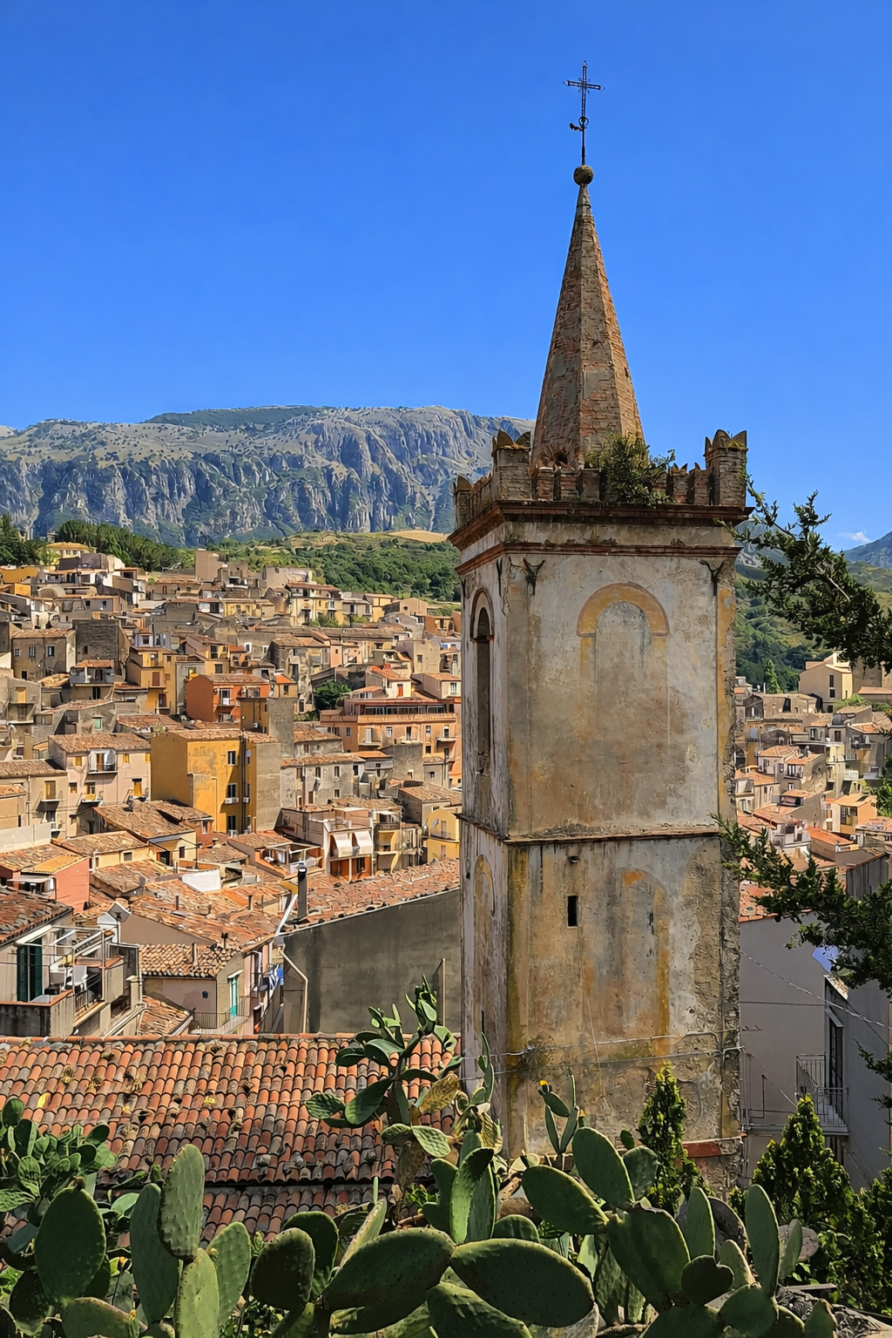
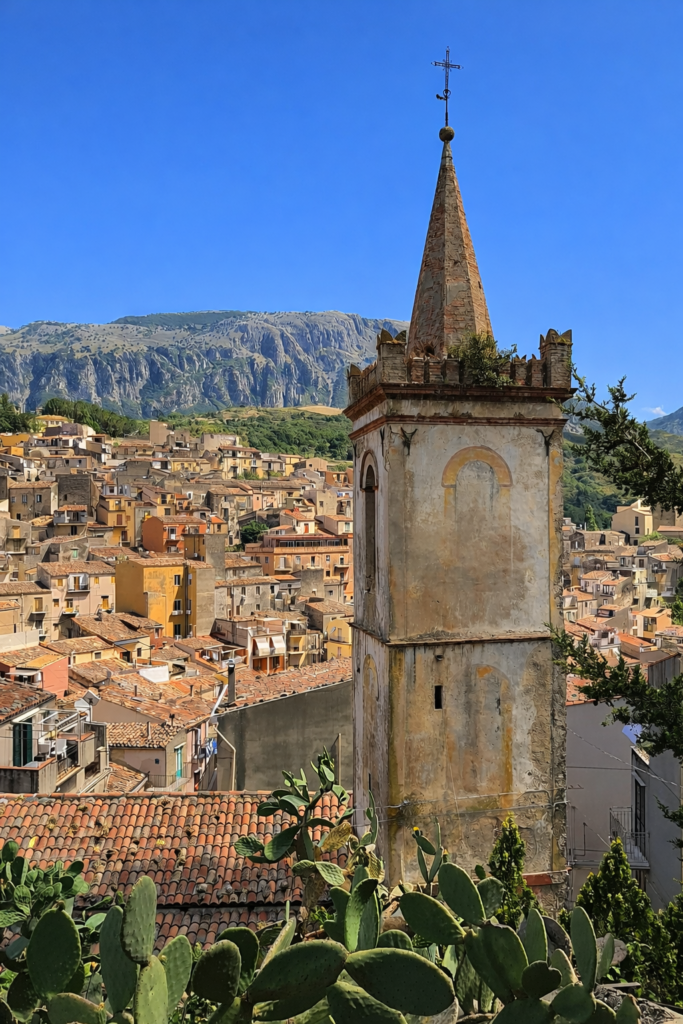
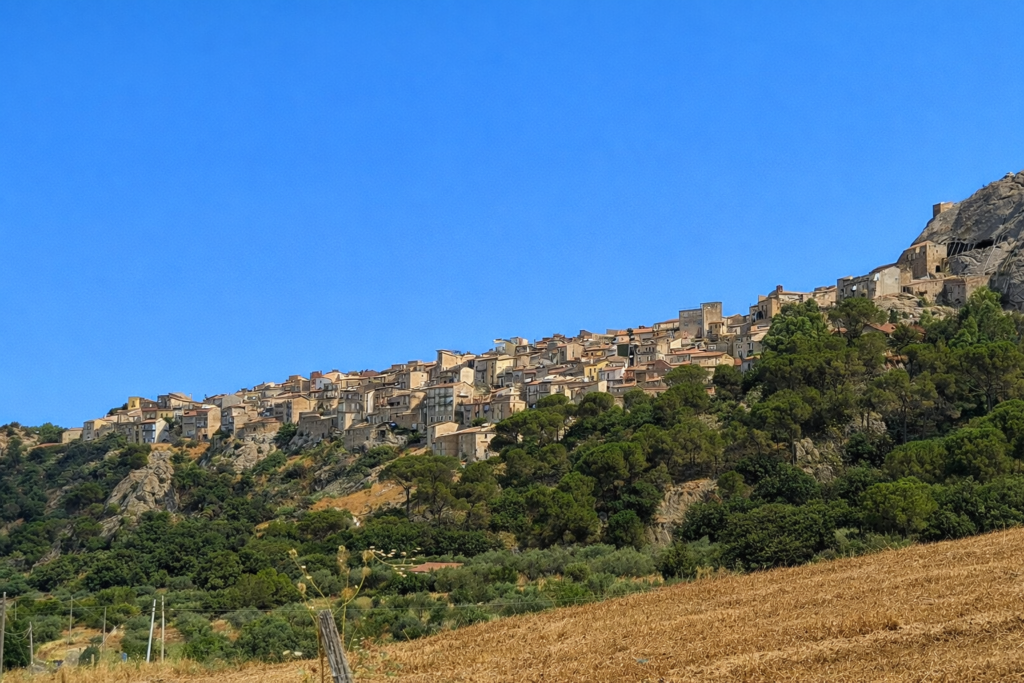
Isnello is often described as a ghost town, not because it’s abandoned, but because it feels suspended in time. Perched in the Madonie Mountains, this small Sicilian village is quiet, atmospheric, and wonderfully authentic, with stone houses stacked along the hillside and dramatic mountain views in every direction. Visiting Isnello is fun precisely because of its slowness: you can wander empty streets, admire the historic church towers and medieval layout, and enjoy panoramic viewpoints without crowds. It’s a perfect stop for travelers who love hidden places, photography, and genuine local life. Nearby hiking trails in the Madonie Park, the renowned Gal Hassin astronomical observatory, and simple trattorias serving traditional Sicilian dishes make Isnello an ideal destination for a relaxed half-day trip or a peaceful overnight stay away from mass tourism.
2. Borgo Sperlinga — The Village That Nature Took Back
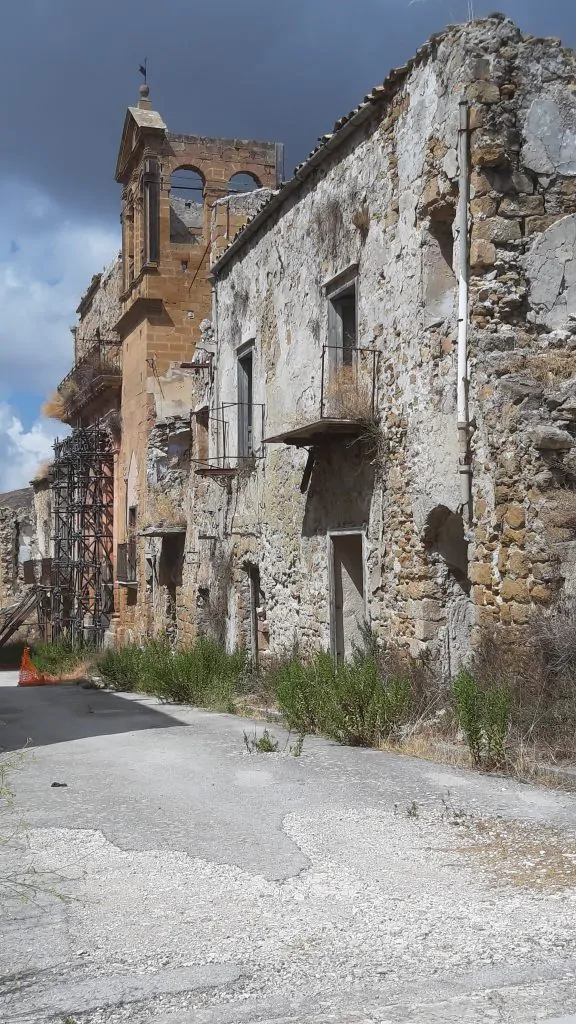
Not far from Nicosia, Borgo Sperlinga lies hidden on a quiet hillside. Built to support rural workers, it emptied gradually through the 20th century. Today its abandoned church, long corridor-like streets, and crumbling houses are eerily beautiful.
Why it’s charming:
Golden-hour light hits the ruins beautifully, turning the village into a painterly landscape.
3. Poggioreale — The Earthquake Ghost City of the Belìce Valley
Completely destroyed in the 1968 earthquake, Poggioreale is one of the most dramatic abandoned towns in Italy. The old center was never rebuilt, so the ruined grid of streets, collapsed palazzi, and roofless churches remain exactly as they were left. You can still walk the main corso, see the destroyed piazza, and stand before the cracked facades.
Why it’s charming:
It blends raw tragedy with haunting, cinematic beauty. Photographers consider it one of Sicily’s most striking locations.
4. Salaparuta Vecchia — Silent Streets in Wine Country
Also struck by the same 1968 earthquake, old Salaparuta sits empty on a hill next to the modern town. The remains of homes, staircases, and walls form a stone labyrinth softened by wind and wildflowers.
Why it’s charming:
It sits in open wine country — the contrast of ruins against vineyards is unforgettable.
The Poetry of Sicily’s Ghost Towns
Sicily’s abandoned villages are not dead — they are dreaming.
They hold the breath of centuries, the laughter of people who once lived there, the pride of farmers, the silence of old prayers, the weight of history.
To walk through them is to walk into a living poem.
To photograph them is to capture time itself.
To know them is to know Sicily’s truest heart — raw, ancient, soulful, unforgettable.
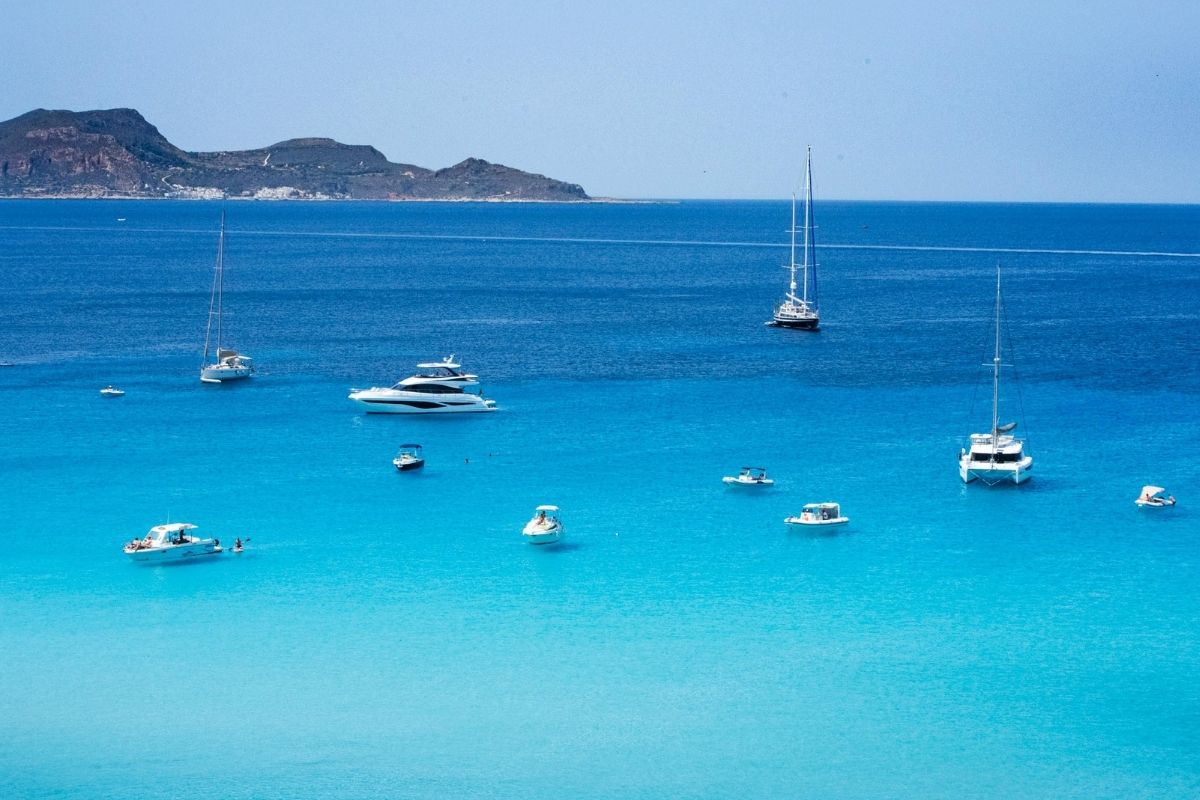
Planning boat excursions in Sicily? The only thing better than booking a private luxury villa in Sicily is heading out into the gorgeous waters.
From hidden coves and crystal-clear waters to volcanic coastlines and island hopping, a day at sea can completely transform your trip. But are boat tours really worth the time and cost? Here’s an honest guide to help you decide.
Most boat experiences in Sicily fall into a few clear categories:
Group boat tours – fixed itineraries, larger groups, lower cost
Semi-private tours – smaller groups with a more relaxed pace
Private boat charters – fully customisable, skipper included
Sunset or aperitivo cruises – shorter, scenic, and social
Each offers a very different experience, and reviews make it clear that expectations matter just as much as price.
What Do Travellers Actually Enjoy?
Across review platforms, boat excursions in Sicily generally score highly. However, the reasons people enjoy them are very consistent.
What Do Travellers Actually Enjoy?
Across review platforms, boat excursions in Sicily generally score highly. However, the reasons people enjoy them are very consistent.
Seeing Sicily from the Sea
Many travellers say the coastline looks completely different from the water. Areas such as the Zingaro Nature Reserve, the Aeolian Islands, and the coast near Taormina are frequently described as highlights of an entire trip.
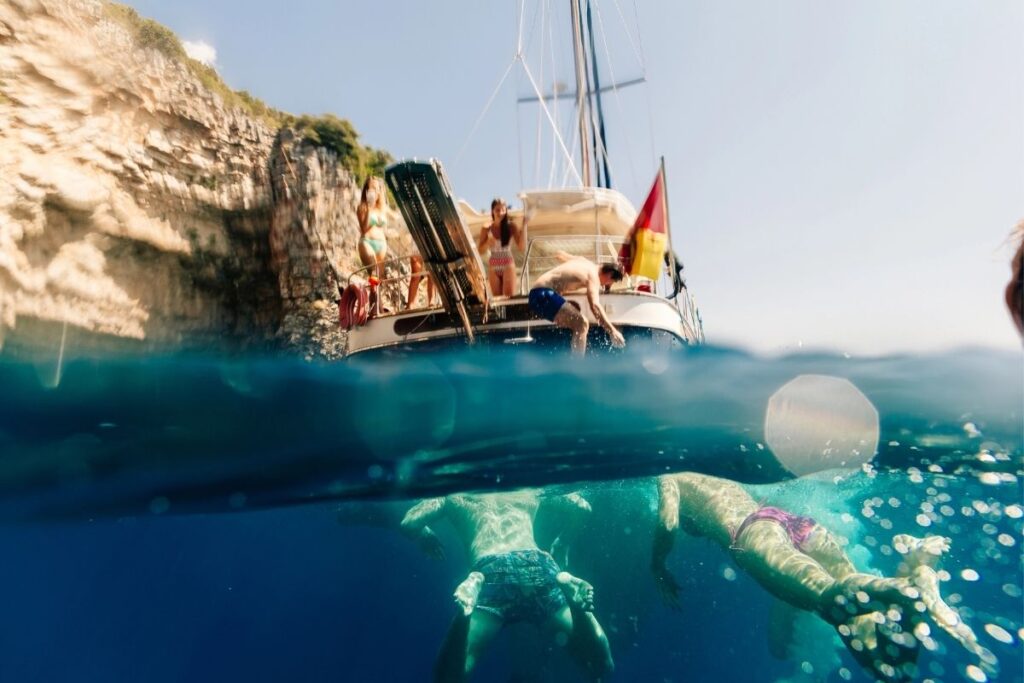
Swimming and Snorkelling Stops
Access to hidden coves and clear water is one of the biggest positives. Reviews often mention that swimming stops — especially those unreachable by land — are what make the experience memorable.
Relaxed Atmosphere
Sunset and aperitivo cruises, in particular, are praised for their easygoing pace, friendly skippers, and social feel. For many travellers, it’s less about sightseeing and more about enjoying the moment.
Are Boat Excursions Good Value?
Boat excursions tend to be excellent value if:
It’s your first visit to Sicily
You choose semi-private or private tours
You enjoy swimming, snorkelling, or being on the water
You’re visiting coastal highlights or islands
When They’re Less Impressive
They’re often poor value if:
You book the cheapest option in peak season
You expect a luxury experience at a budget price
You don’t enjoy being on boats or in the sea
Reviews consistently show higher satisfaction for private and semi-private tours. Many travellers comment that paying slightly more results in:
More space on board
Longer swimming stops
A calmer, more personalised experience
For families or groups staying in villas, private charters often feel like a natural extension of a relaxed holiday.
Best Areas for Boat Excursions in Sicily
Based on review trends, the most rewarding areas include:
Aeolian Islands – volcanic landscapes and island hopping
Zingaro Nature Reserve – pristine coastline and clear water
Ortigia / Syracuse coast – history and sea combined
Experiences are generally less impressive in overcrowded urban harbours or on very short “loop” routes.
Final Verdict: Should You Book One?
Boat excursions in Sicily are worth it — when chosen carefully.
They’re best seen as a slow, sensory experience, not a checklist activity. Travellers who pick the right type of tour for their expectations often describe it as one of the most memorable days of their trip.
The key is simple: ✔️ choose quality over price ✔️ avoid overcrowded peak-time tours ✔️ know what kind of experience you want
Boat excursions show you a side of the island that many travelers never experience. From hidden coves and dramatic coastlines to peaceful swims in clear Mediterranean water, a day at sea often becomes one of the highlights of vacationing in Sicily. For families on vacation, couples, or small groups, the right boat trip adds freedom, space, and unforgettable memories to your stay.
When planning your trip, your location makes a difference. Many of the best villas in Sicily sit close to the island’s most beautiful coastlines and main departure points for private and group tours. Staying nearby allows you to combine comfort, privacy, and easy access to the sea. With the right villa and a well-chosen excursion, your time in Sicily becomes more than a holiday. It becomes an experience you will want to repeat.
There is a moment in Sicily when you realize the day isn’t asking anything from you. No reservations to rush to, no sights to conquer, no schedule demanding attention. The island doesn’t reward efficiency, it rewards presence.
This is a day in Sicily as it actually unfolds.
Morning: The Quiet Before the Heat
The morning begins slowly, almost privately. Streets are still cool, shutters half-open, the air scented with coffee and clean stone. At the bar, espresso is taken standing up, unceremonious and perfect. No one lingers long, but no one is in a hurry either.
There is time to notice small things: the sound of cups touching saucers, the way light starts to climb the walls, a neighbor greeting another by name. Sicily in the morning feels intimate, as if the island is still waking up with you.
Midday: Letting the Day Stretch
By late morning, the light sharpens and the rhythm changes. This is not the hour for productivity. It’s the hour for letting the day breathe.
You might walk without direction—through narrow streets, past balconies heavy with flowers, into silence broken only by footsteps. Lunch is simple and unforced. Something local, something seasonal. Afterwards, the world slows almost to a pause.
Shops close. Streets empty. The heat settles in. This is Sicily asking you to stop trying to fill the time and instead let it pass.
Afternoon: Stillness as a Luxury
Afternoons in Sicily are not meant to be busy. They are meant to be endured gently.
This is the hour of drawn curtains, quiet rooms, slow pages of a book. Even the countryside seems suspended, olive trees unmoving, cicadas filling the air. Nothing is happening—and that is exactly the point.
In a culture obsessed with motion, Sicily offers stillness without apology.
Evening: When the Island Reappears
As the heat softens, life returns. Doors open. Voices rise. The streets refill with people who seem refreshed, transformed.
Aperitivo happens naturally, often without planning. A table appears in a piazza. A glass arrives. Conversation stretches. Light turns gold, then amber, then blue. The day feels generous again.
Dinner is never rushed. It’s not an event; it’s a continuation. Plates come and go. Stories repeat. Laughter stays longer than expected.
Y
Night: The Beauty of Not Ending the Day
At night, Sicily doesn’t ask you to choose what’s next. It simply invites you to stay a little longer.
A walk through quiet streets. Warm stone underfoot. Music drifting from somewhere unseen. The sense that tomorrow doesn’t need to be planned tonight.
This is what traveling in Sicily can be when you stop trying to do it.
Not a list. Not an itinerary. Just a day that unfolds exactly as it should.
Dolce & Gabbana is more than a fashion brand. It is one of the most eloquent contemporary interpretations of Sicily’s identity.
Founded by Domenico Dolce and Stefano Gabbano in 1985 , the house does not borrow from Sicily, it belongs to it. The island’s contradictions and excesses are woven directly into its visual language: devotion and sensuality, severity and opulence, intimacy and spectacle.
This profound attachment to place mirrors the way Sicily is experienced at its best,not as a checklist of landmarks, but as a lived atmosphere. A rhythm. A way of inhabiting beauty rather than observing it from a distance.
Black lace, sculpted corsetry, veils, gold embroidery, and commanding silhouettes echo the figures that have shaped Sicilian imagination for generations: widows, matriarchs, saints, actresses, and women of formidable presence—evoking icons such as Sophia Loren and Anna Magnani.
The inspiration is unmistakably local:
Catholic iconography and sacred ritual
Baroque churches layered with gold and shadow
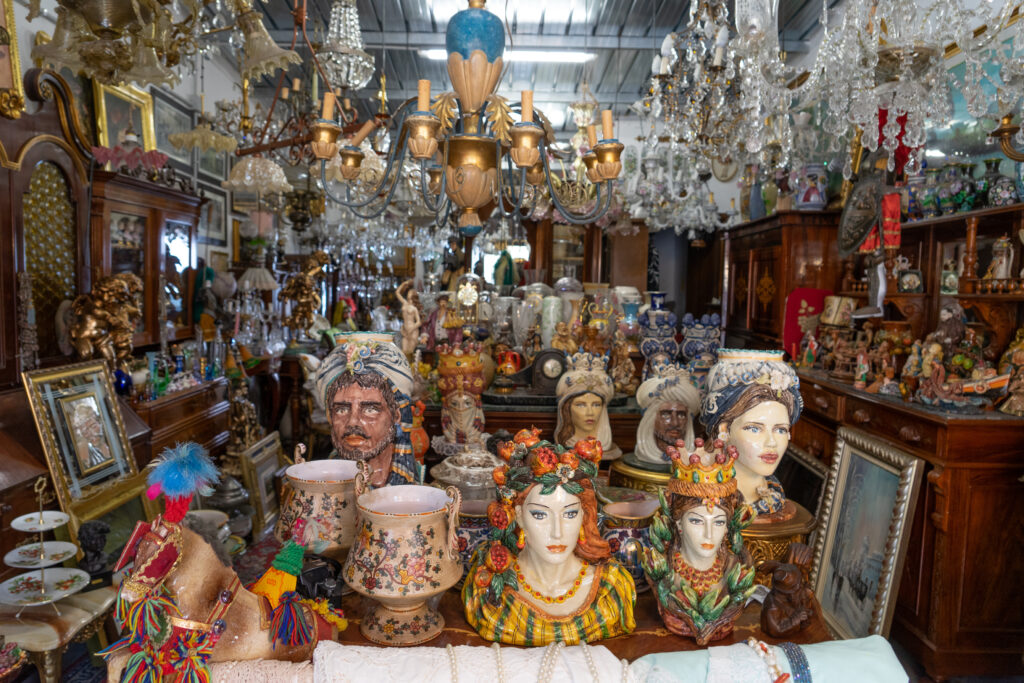
Hand-painted ceramics and the vibrant carretto siciliano
A Mediterranean sensuality rooted in sun, strength, and unapologetic emotion
These same qualities define Sicily’s historic palazzi, countryside estates, and noble villas—places designed not for minimalism, but for memory, ritual, and presence.
Sicily as a Way of Living
To embrace Sicily as a way of life is to slow down without apology. It is to value ritual over efficiency, memory over minimalism, and presence over performance.Life here unfolds in layers, meals linger, conversations stretch and beauty is allowed to be imperfect. This is why Sicily continues to resonate far beyond fashion. It offers philosophy rooted in land, lineage, and emotion. One that invites not consumption, but participation. Not observation, but belonging.
Dolce & Gabbana Bar, Taormina
Set within the historic San Domenico Palace, the Dolce & Gabbana Bar is not simply a place for a drink—it is a continuation of the brand’s dialogue with Sicily. Every detail reflects the house’s unmistakable aesthetic: hand-painted ceramics, bold patterns, and references to Sicilian tradition reinterpreted through contemporary luxury.
Overlooking the Ionian coastline, the bar embodies the Dolce & Gabbana philosophy of living beautifully and unapologetically. Aperitivo here is as much about atmosphere as it is about taste—where design, setting, and ritual merge effortlessly. Much like Taormina itself, the experience feels theatrical yet intimate, rooted in history but undeniably modern.
For visitors, the bar represents Sicily at its most refined: a place where craftsmanship, place, and lifestyle converge, echoing the same sense of exclusivity and immersion that defines the island’s most exceptional villas and cultural experiences.
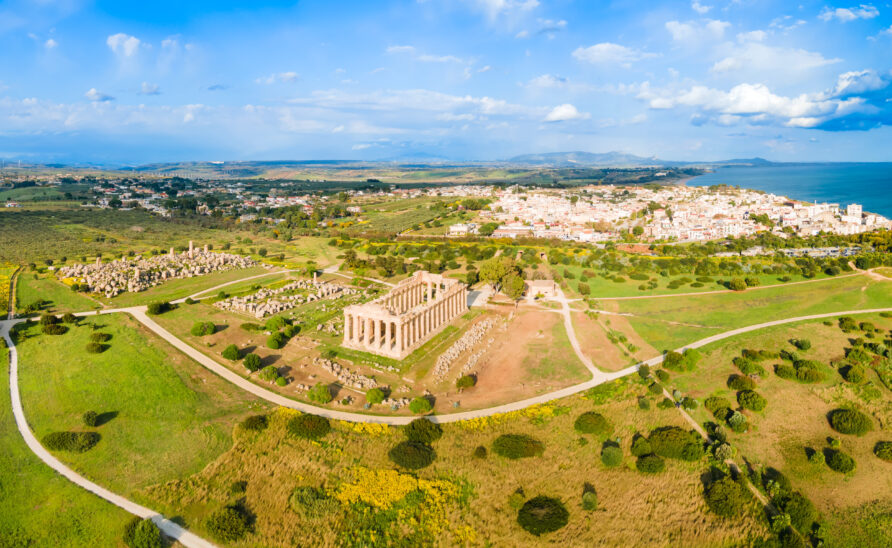
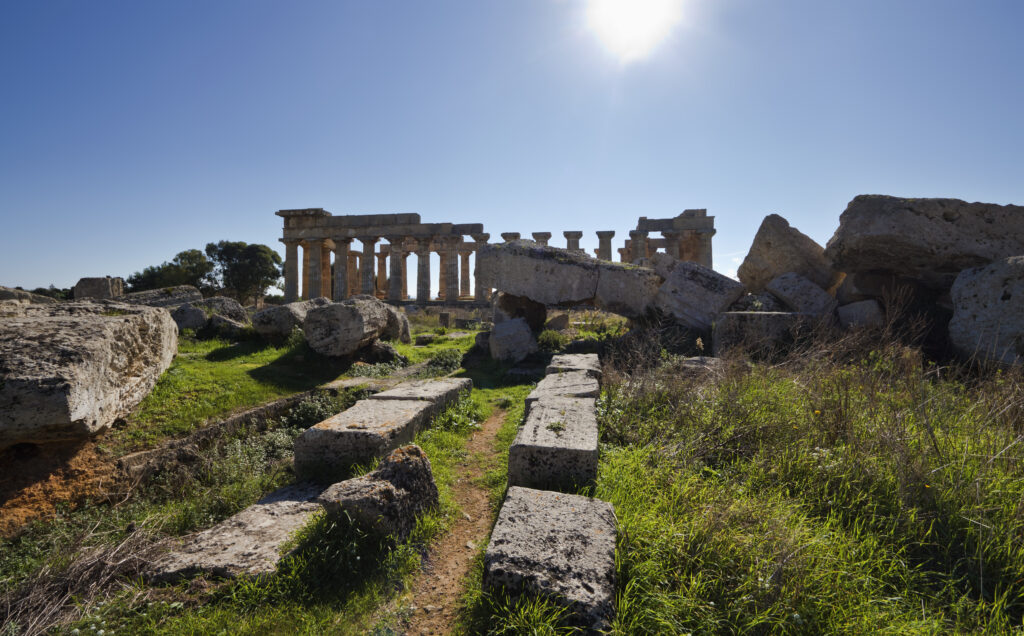
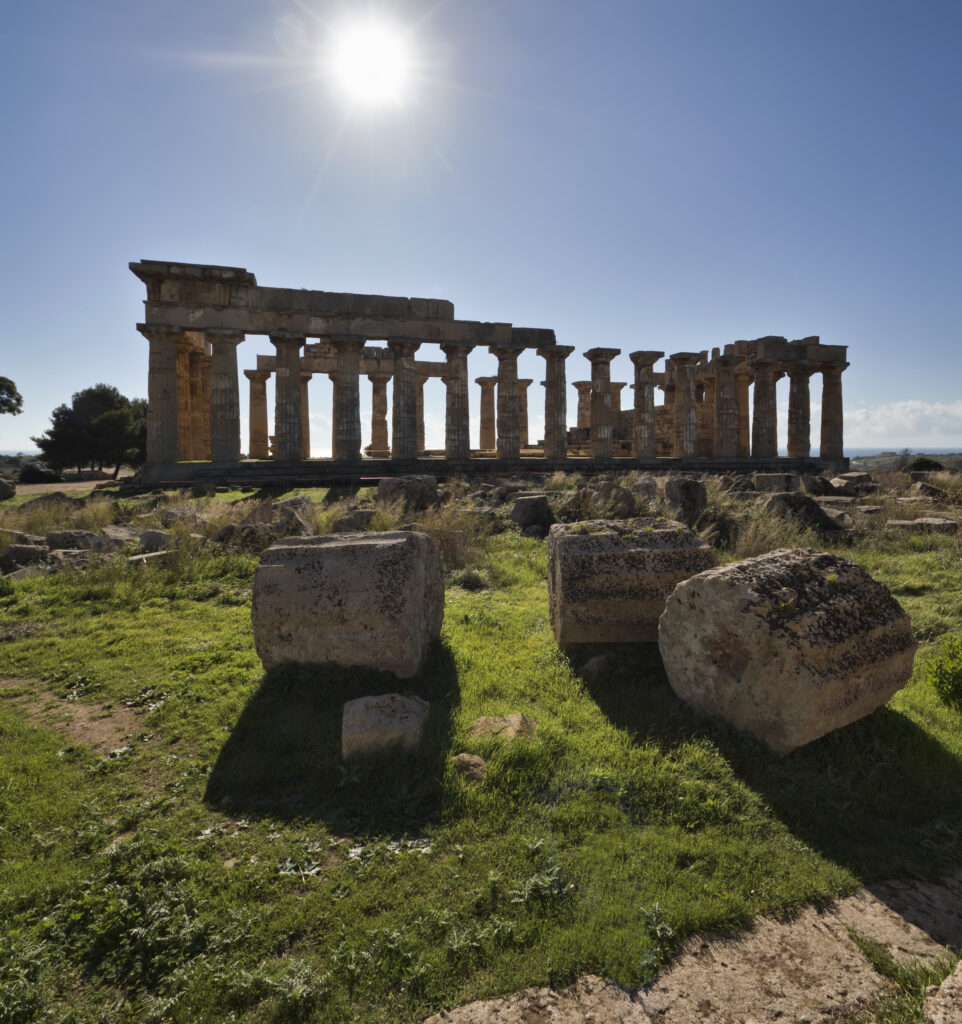
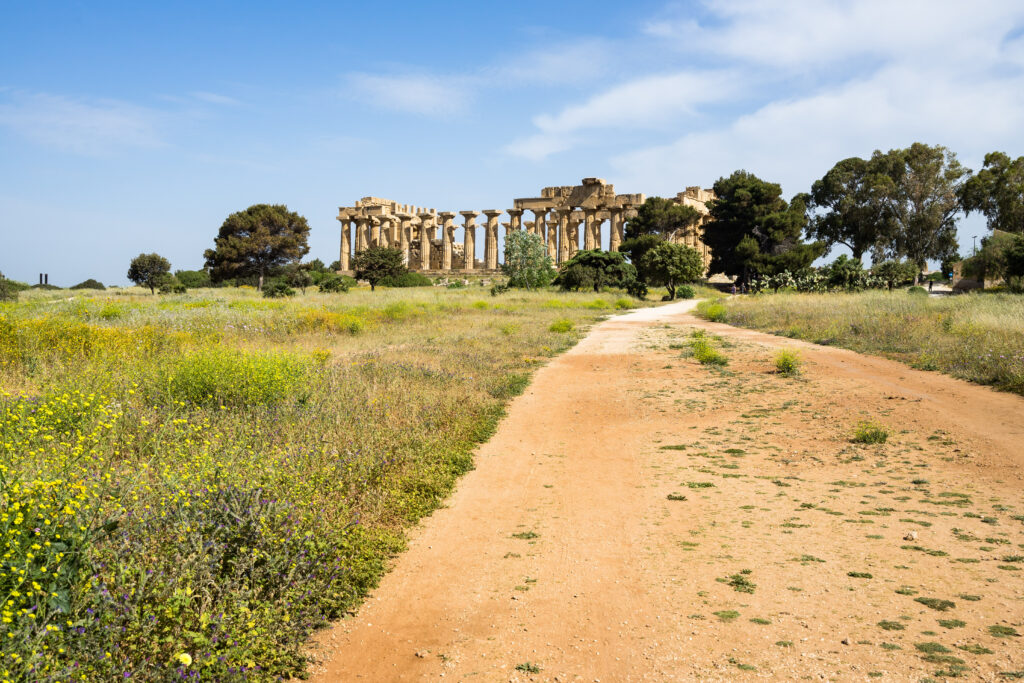
Selinunte is one of the most important archaeological sites in Europe, a sprawling archaeological park of around 270 hectares on Sicily’s southern coast near Marinella di Selinunte. Founded in the 7th century BC, it was once a thriving ancient city with monumental Greek temples, sanctuaries, and an acropolis overlooking the sea. Though destroyed by Carthage in 409 BC, Selinunte still offers impressive ruins, including Temple E, Temple F, and the remains of the acropolis. Today it is among the largest archaeological parks in Italy, a must-see for anyone interested in Sicilian history and culture.
What is Selinunte and where is it located?
Selinunte was an ancient Greek city on the southwest coast of Sicily, between the rivers Selinos and Cottone. Its ruins now form a vast archaeological park near Marinella di Selinunte, making it the largest archaeological park in Europe.
The park is divided into different areas: the Acropolis, the Eastern Temples, the Western Sanctuary, and nearby necropoleis. Together they give a full picture of the scale and complexity of the ancient city.
When is the best time to visit Selinunte?
The most comfortable months are April to June and September to October, when temperatures are pleasant and the site is less crowded. July and August can be very hot, so early morning or late afternoon visits are best. Winter offers quieter visits, though with shorter opening hours and fewer facilities available.
Sunset at the acropolis offers one of the most memorable views, as the columns glow golden against the sea. Winter visits are quieter and still rewarding, though shorter daylight hours mean less time in the park.
What are the opening times for Selinunte in 2026?
Selinunte is open year-round. According to CoopCulture, hours are 8:30 am to 5:30 pm from October to March, and 8:30 am to 7:30 pm from April to September. Ticket offices close one hour before the site. In summer, occasional evening openings are scheduled, but these are announced separately. The on-site museum, which houses metopes and other finds, follows similar hours.
Ticket prices are typically around €6-8 for adults, with reduced rates for EU citizens under 26, and free entry for children. Guided tours are available, and in high season you may find special cultural events or night visits among the temples.
How accessible is Selinunte, including parking and facilities?
The park covers 270 hectares, so distances between zones can be long. Shuttles connect the main areas, but you’ll still need to walk. The Acropolis involves some uphill paths, while the Eastern Temples are easier to access.
Parking is available near the entrances, especially by Marinella di Selinunte, and facilities include restrooms, a café, and picnic areas. Wear comfortable shoes, and be prepared for uneven ground.
What is the history of Selinunte?
Selinunte was founded in the 7th century BC by Greek settlers from Megara Hyblaea. It quickly grew into one of the wealthiest and most powerful Sicilian Greek cities, famous for its monumental temples.
Its prosperity ended in 409 BC, when it was attacked and largely destroyed by Carthage. Thousands were killed, and the survivors enslaved. Although parts of the city were rebuilt, it never fully recovered and was eventually abandoned.
Today, visitors walk through the remains of that ancient city, temples, sanctuaries, and defensive walls, still impressive despite centuries of decline.
Why is Selinunte worth visiting?
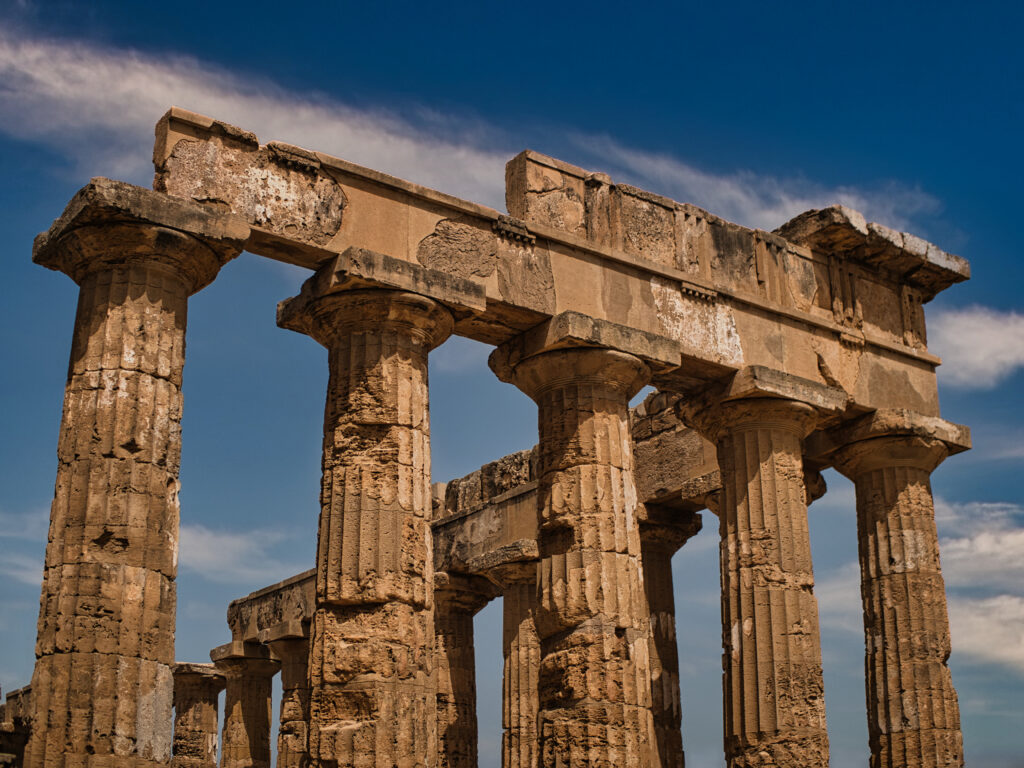
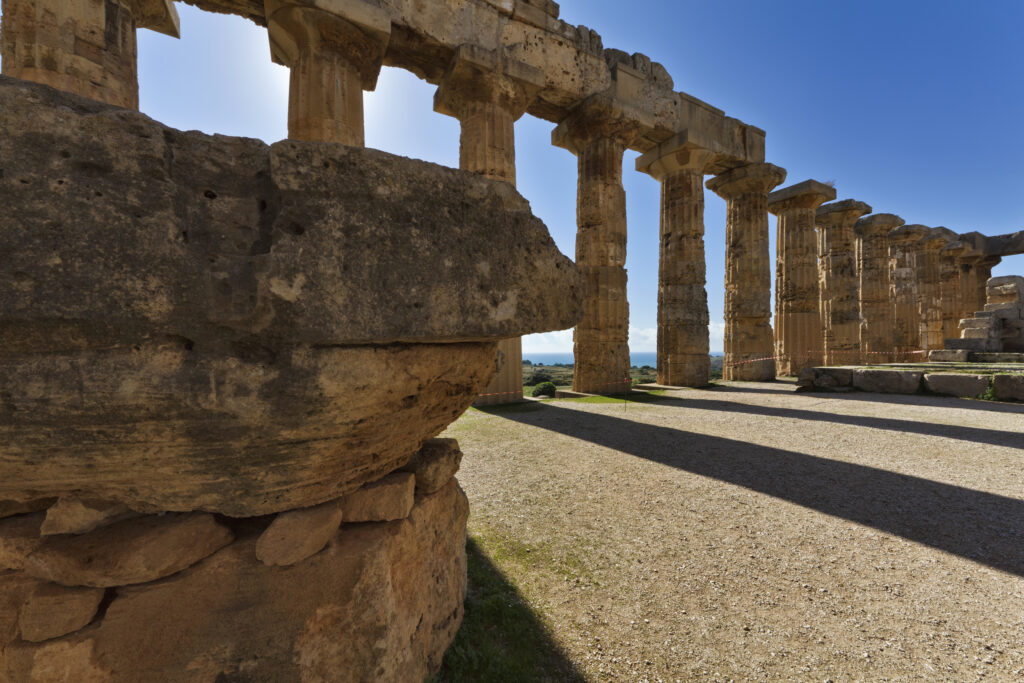
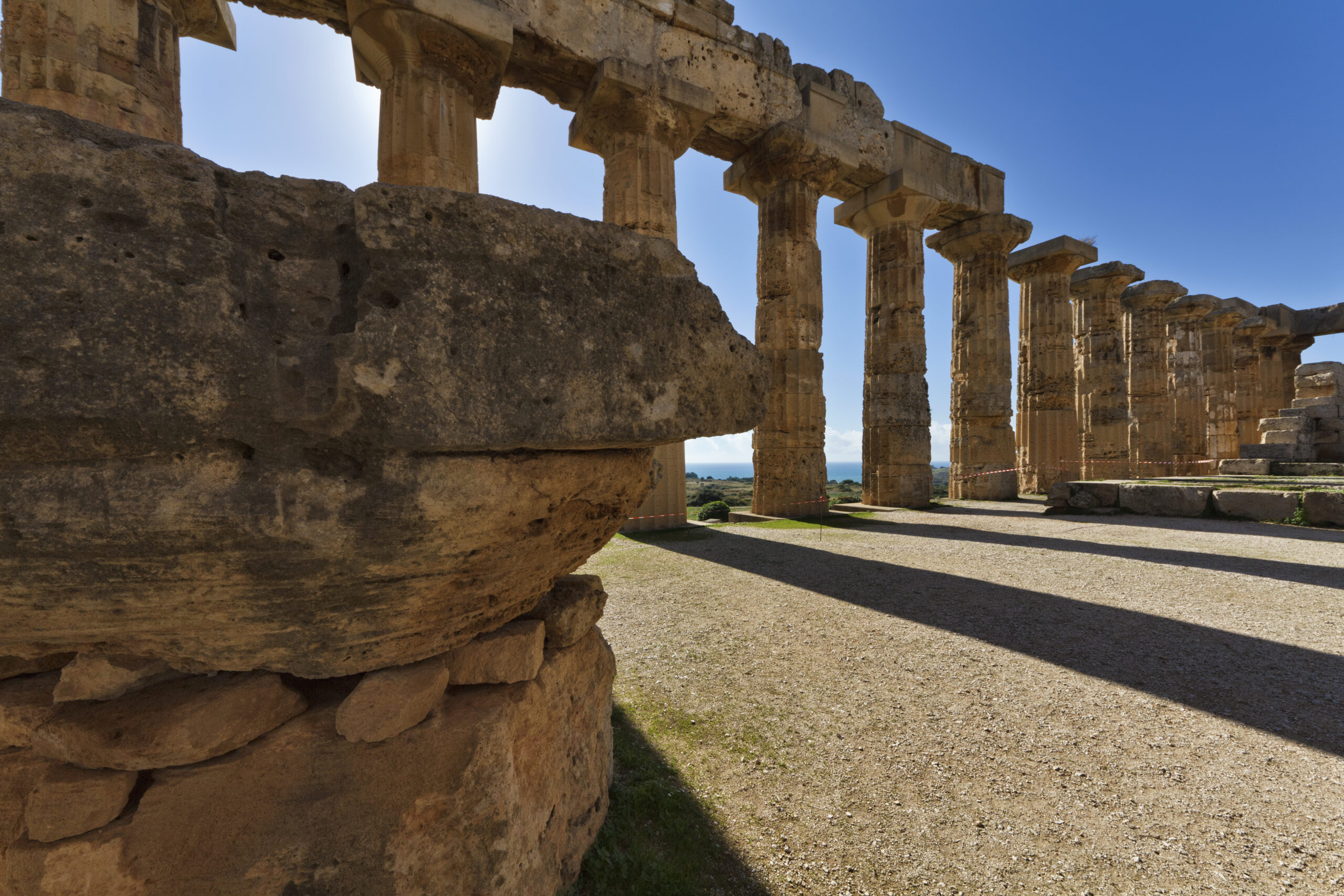
Temple E was restored in the 20th century and is generally thought to have been dedicated to Hera, though some scholars debate its attribution. Temple F is smaller and more ruined, and its dedication is uncertain, Temple G was never completed but remains one of the largest Greek temples of the ancient world.
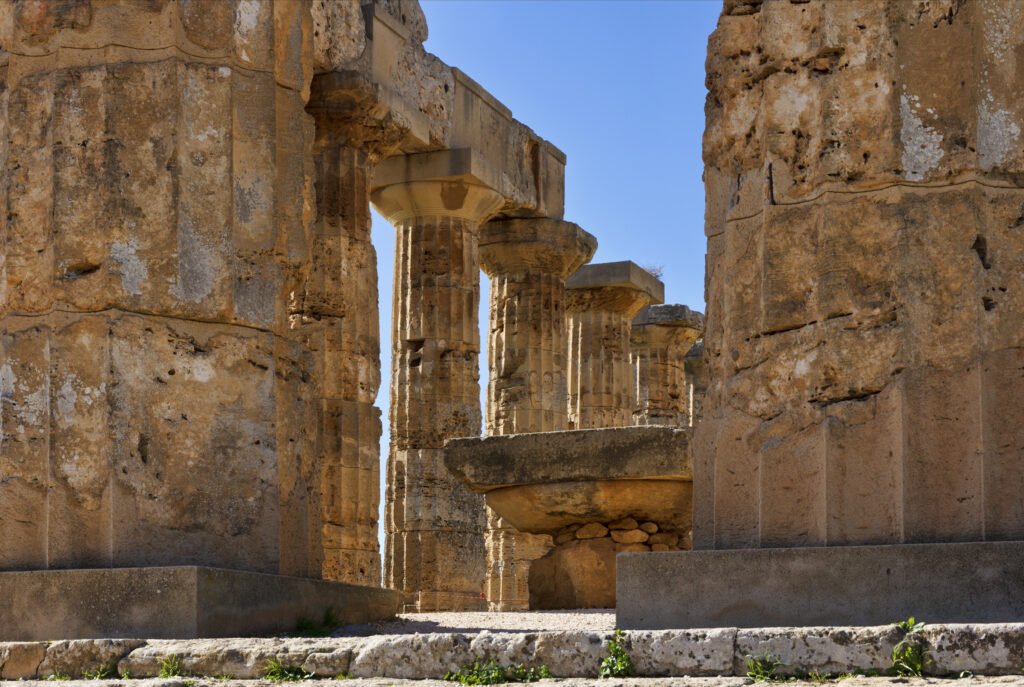
The Acropolis, perched on a hill, holds the remains of several temples and sanctuaries, and is known for sweeping views of the sea as well as stunning examples of Doric architecture . Exploring these different zones gives you a real sense of the city’s layout and importance.
Can you visit Selinunte with kids?
Yes, but plan ahead. The park is very large, and walking between areas can be tiring in the summer heat. Bring water, snacks, hats, and sunscreen.
Children often enjoy the dramatic ruins, especially the giant fallen columns and the open spaces. The museum, especially the Civic Museum of Castelvetrano, houses some of the famous metopes (carved temple panels). Many others are preserved in Palermo’s Archaeological Museum.
How do you get to Selinunte from major Sicilian cities?
About 3 hours by car via Palermo or inland routes.
Public transport is limited. The best option is to drive, though in high season some organized tours include Selinunte and the nearby Cave di Cusa quarries.
What activities can you do in and around Selinunte?
Explore the Acropolis (part of the archaeological park)
The fortified hill area of the ancient city, overlooking the sea. Here you’ll find temple ruins, sanctuaries, and traces of city walls.
See the Eastern Temples
The most striking zone, with Temple E, Temple F, and Temple G. Temple E is partly reconstructed, giving you a vivid sense of ancient grandeur.
Visit the Cave di Cusa
These stone quarries, about 13 km away, supplied the building blocks for Selinunte’s temples. The sight of unfinished columns still lying in the fields is unforgettable.
Explore the Museum
The Civic Museum in Castelvetrano houses finds from the site, including famous metopes from the temples.
Can you see Temple E and Temple F at Selinunte?
Yes, both are highlights of the Eastern Temples area. Temple E, likely dedicated to Hera, was restored in the 20th century and is one of the most impressive ancient monuments in Sicily. Temple F, smaller but fascinating, shows different proportions and construction methods.
When is the best time to visit Selinunte?
The most comfortable months are April to June and September to October, when temperatures are pleasant and the site is less crowded. July and August can be very hot, so early morning or late afternoon visits are best. Winter offers quieter visits, though with shorter opening hours and fewer facilities available.
Sunset at the acropolis offers one of the most memorable views, as the columns glow golden against the sea. Winter visits are quieter and still rewarding, though shorter daylight hours mean less time in the park.
Why book your holiday with Sicily4u?
Selinunte is unforgettable, but staying nearby makes it even more special. With Sicily4u, you can choose from handpicked luxury villas along the southern coast, giving you privacy, comfort, and easy access to the park.
Our villas come with private pools, terraces, and stylish interiors, perfect for relaxing after a day walking among ruins. We also provide local guidance, helping you plan not just your visit to Selinunte but your wider Sicilian adventure.
Featured Villas Near Selinunte: Villa Torre Canalotto and Villa Citrea
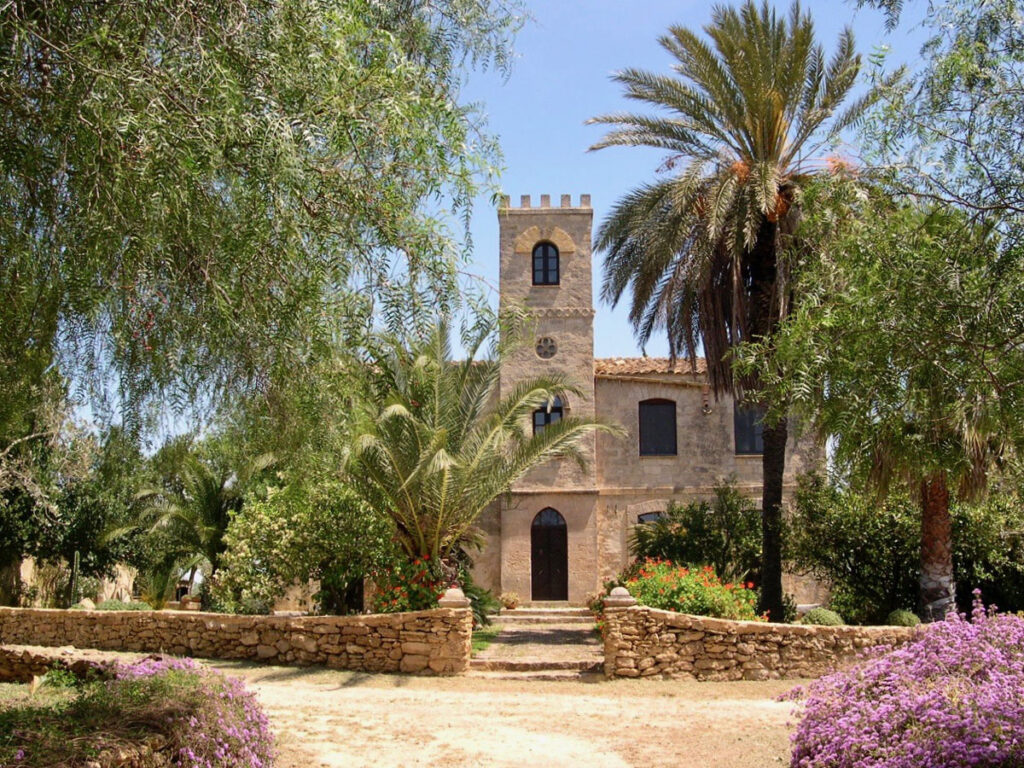
Villa Torre Canalotto offers a refined blend of privacy and elegance, set within easy reach of Selinunte. Its design emphasizes serenity, with terraces that offer sweeping views over the Sicilian countryside, stylish interiors that balance comfort and tradition, and outdoor spaces perfect for relaxing after touring the ancient temples. It’s an ideal base when you want to combine archaeological days at the park with evenings in quiet luxury.
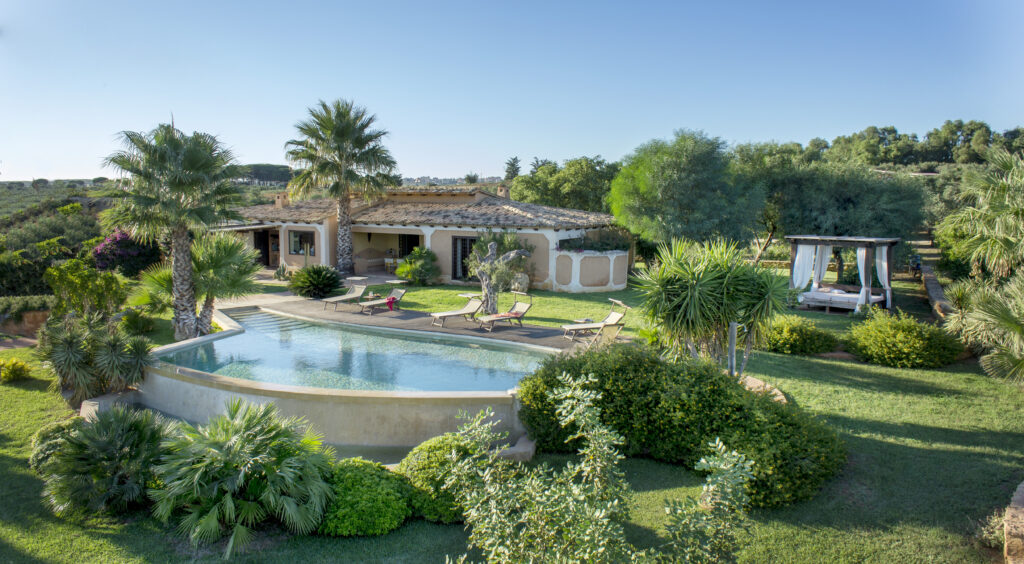
Villa Citrea is a luminous retreat just a short drive from the ancient ruins. Flooded with natural light, the villa’s decor celebrates Sicilian colors, with citrus-inspired tones that echo the landscape. Spacious open areas, private gardens, and elegant lounging zones make it perfect for travellers who value both comfort and beauty. Villa Citrea gives you the feeling of being home, with the grandeur of Selinunte just moments away.
Together, these villas reflect the Sicily4u promise of combining luxury, style, and proximity to some of the island’s greatest cultural treasures.
Why is Selinunte one of the most important archaeological sites in Sicily?
Because it captures the rise and fall of an entire ancient city in one vast park. The acropolis, the Eastern Temples, the sanctuaries, and the Cave di Cusa all show how powerful and ambitious Selinunte once was. Its destruction by Carthage in 409 BC and the ruins left behind make it a moving reminder of Sicily’s turbulent history.
Selinunte is not just another ruin, it is the largest archaeological park in Europe and one of the most impressive in the world. By visiting, you step back into the lives, beliefs, and ambitions of the ancient Greeks in Sicily.