When Does a Historic Villa in Taormina Become Part of History? The Story of Villa Mimì

The Enduring Story of Villa Don Mimì Taormina

Some villas impress you with beautiful architecture.

Others captivate you with breathtaking views.

Yet only a handful become part of history.

Not because they are larger.

Not because they are more luxurious.

Instead, they become unforgettable because extraordinary people once walked through their doors.

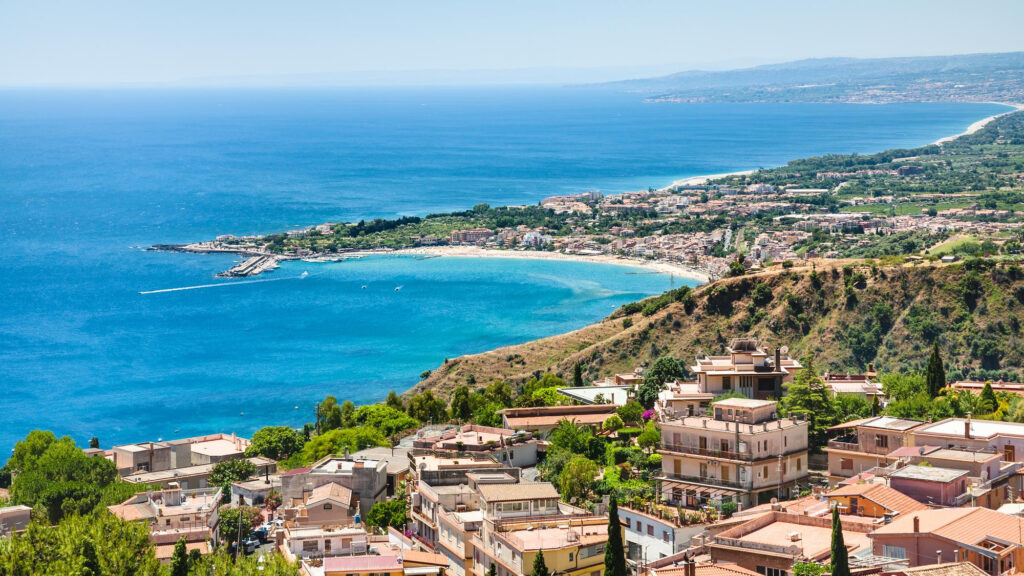
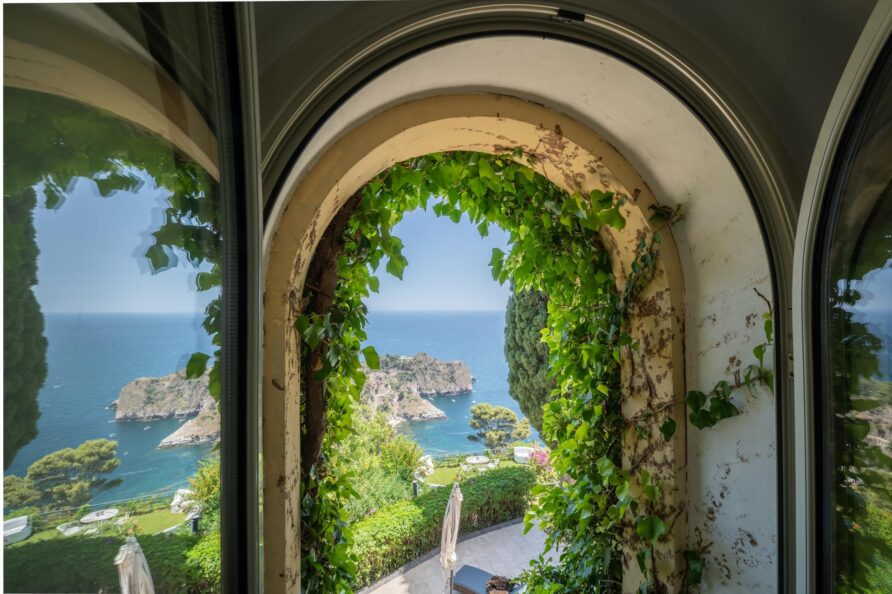
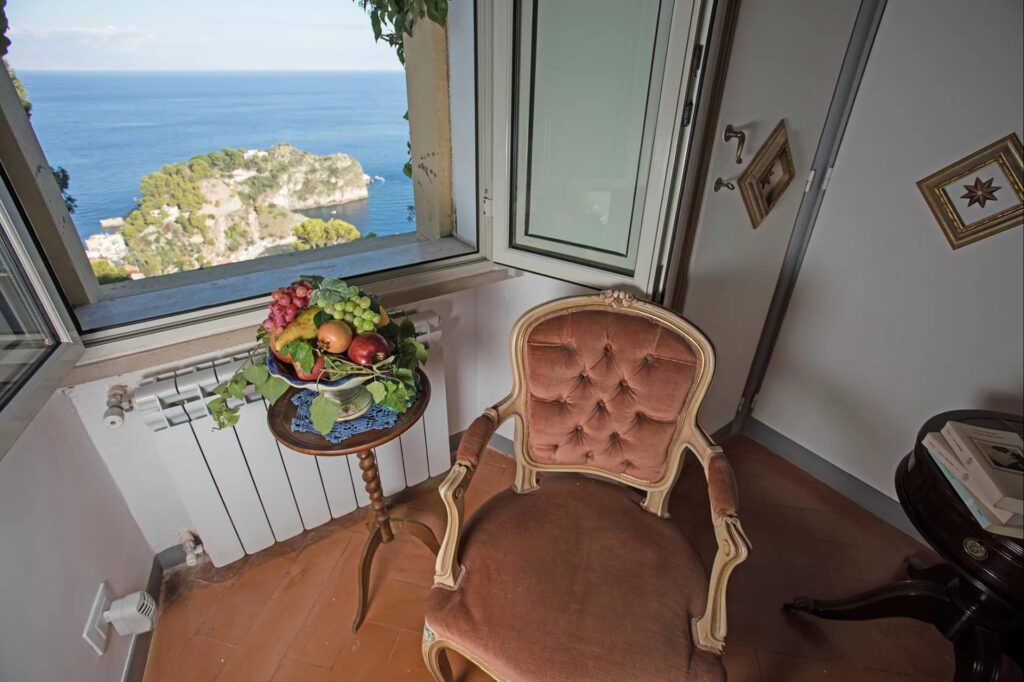
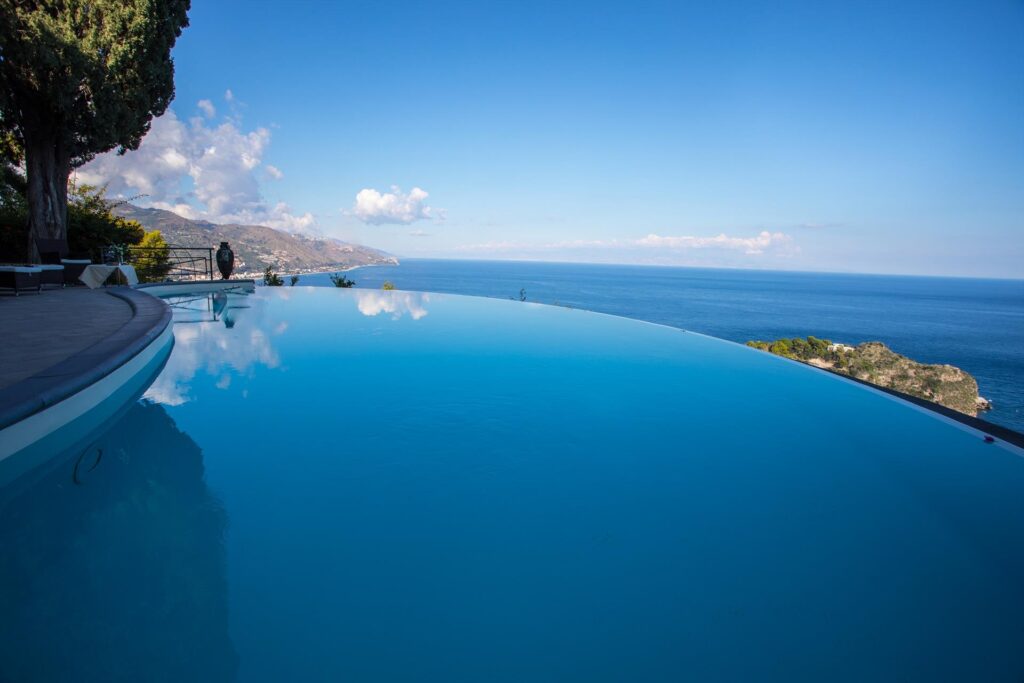
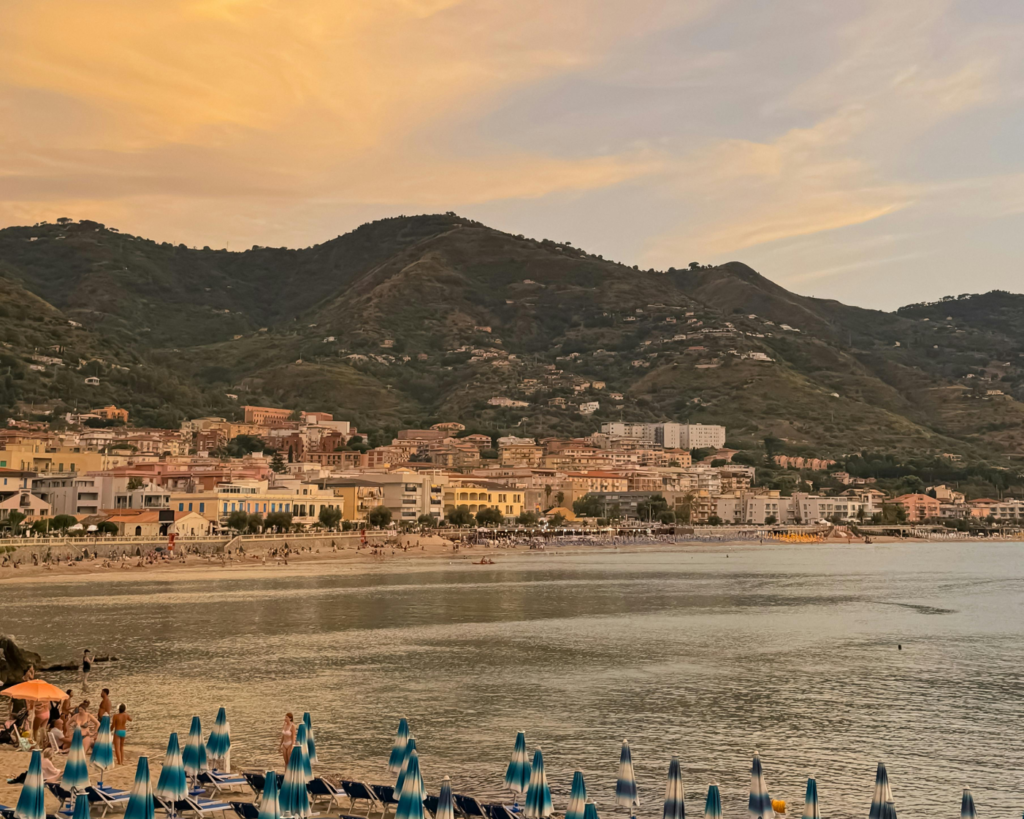
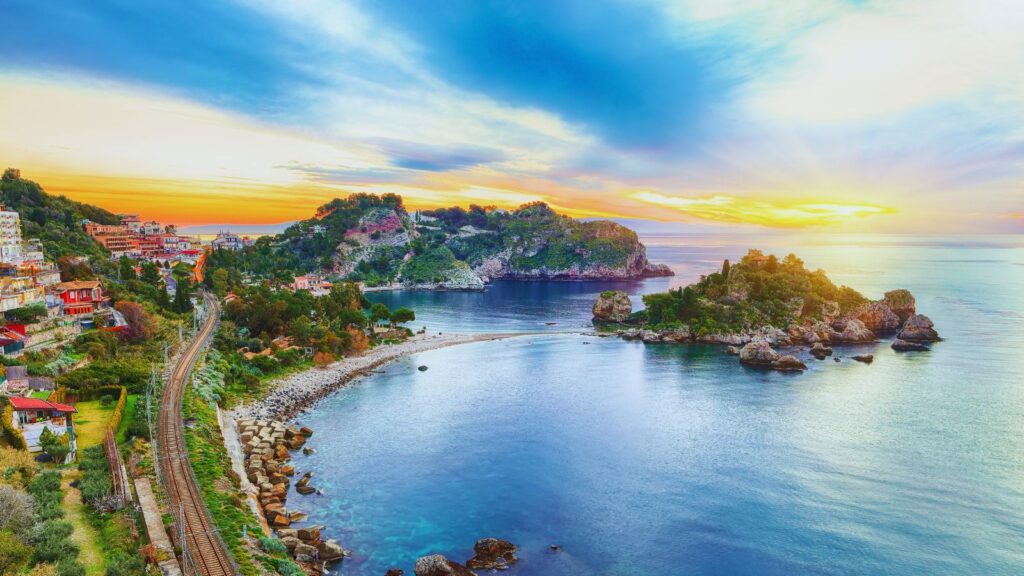
Perched above the sparkling waters of Isola Bella, Villa Mimì is one of those rare places. For more than a century, it has welcomed aristocrats, visionaries, celebrated architects, renowned artists and distinguished guests from around the world.

However, the villa’s remarkable story begins not with a king or a Hollywood star.

It begins with an extraordinary Englishwoman whose influence can still be felt throughout Taormina today.

Her name was Miss Mabel Hill.

Perhaps that is the true measure of a historic villa.

It is not simply the age of its walls.

It is the lives that unfold within them.

The English Woman Who Helped Shape Taormina

During the late nineteenth century, Taormina was quietly becoming one of Europe’s most fashionable destinations.

Artists travelled south seeking inspiration.

Writers searched for beauty.

Aristocrats escaped the long northern winters.

Among those visitors was Miss Mabel Hill, an Englishwoman who would leave a lasting mark on the town she came to love.

Unlike many wealthy travellers, she did not simply admire Sicily before returning home.

Instead, she embraced Taormina as her own.

She believed its greatest treasure was not only its landscape, but also its people.

Determined to preserve local craftsmanship, Miss Hill founded the famous School of Sicilian Lace, creating opportunities for local women to learn traditional embroidery while earning an independent income.

Her contribution transformed lives.

More importantly, it helped preserve one of Sicily’s most beautiful artistic traditions.

Today, her legacy continues throughout Taormina.

A street proudly bears her name.

Her work is remembered by historians.

Most remarkably, the villa she once called home continues welcoming guests from around the world.

Long before Villa Don Mimì became known for glamour, it was already a place where generosity, creativity and culture flourished.

A Villa Fit for Royalty

History often becomes even more captivating when it intertwines with mystery.

Villa Don Mimì Guarnaschelli is no exception.

According to long-standing local tradition, Miss Mabel Hill maintained a close friendship with King Edward VII of England.

Some stories suggest that friendship developed into a discreet romance.

Although historians have never conclusively confirmed those accounts, the story has remained woven into the villa’s history for generations.

The King is believed to have visited Taormina privately, seeking peace far from the responsibilities of royal life.

Family tradition tells of a room overlooking Isola Bella that was reserved especially for him.

From its windows, he reportedly watched the sunrise over the Ionian Sea while enjoying the tranquillity that first captivated Europe’s aristocracy.

Whether history or legend, the setting certainly explains why the story has endured.

As dawn breaks across Isola Bella, the sea gradually changes from deep sapphire to brilliant gold.

Fishing boats drift silently across the bay.

Mount Etna rises on the distant horizon.

Standing there today, visitors witness the very same landscape that has inspired travellers for generations.

Perhaps that timeless beauty explains why Taormina has never fallen out of fashion.

A New Chapter Begins

Every historic home evolves.

Villa Mimì entered a remarkable new chapter during the 1940s.

The estate was acquired by Count Vittorio Cini, one of Italy’s most respected industrialists, philanthropists and cultural patrons.

Rather than altering the villa beyond recognition, he chose to enhance its character.

To achieve that vision, he commissioned one of Italy’s greatest architects.

His name was Tomaso Buzzi.

Buzzi was far more than an architect.

He was an artist, designer and visionary whose work defined Italian elegance throughout the twentieth century.

Rather than following changing fashions, he created timeless interiors inspired by classical art, literature and history.

His philosophy perfectly suited Villa Don Mimì.

Instead of replacing its identity, he refined it.

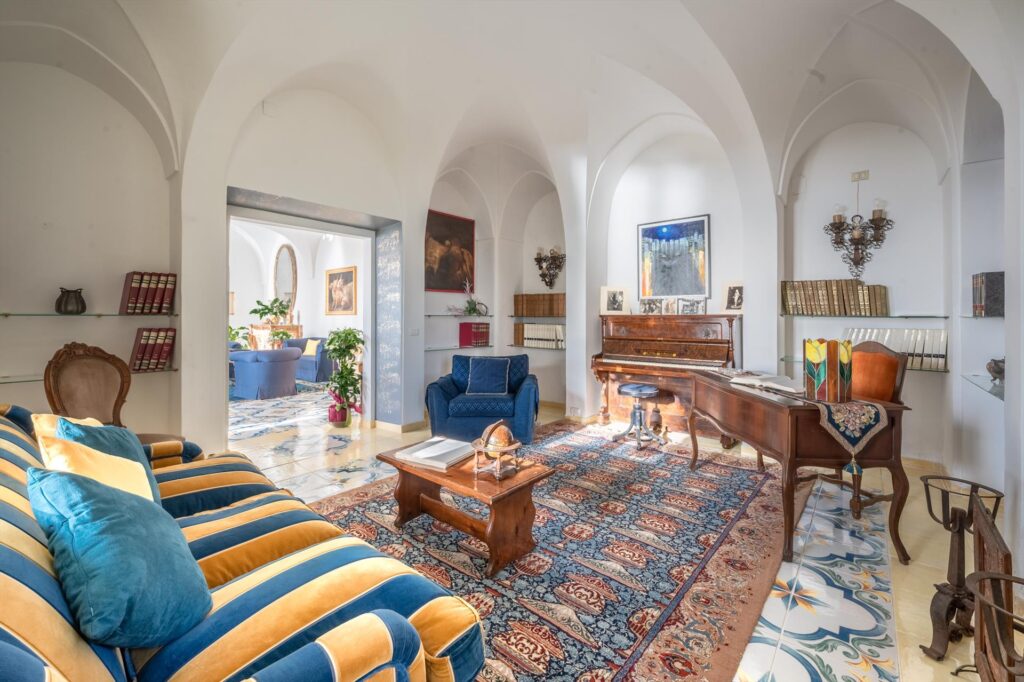
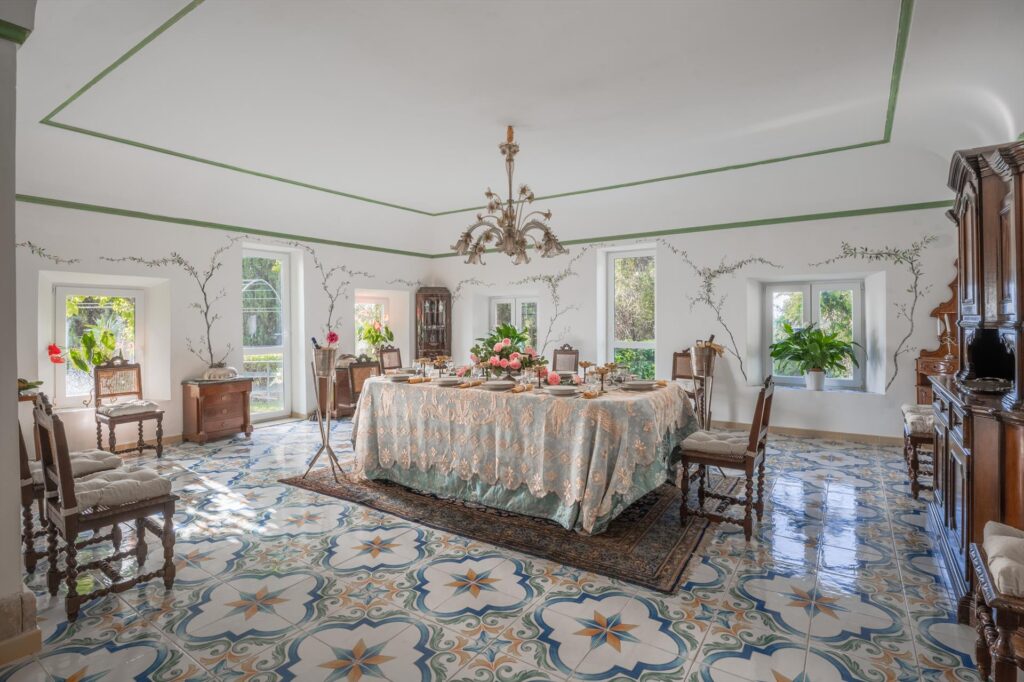
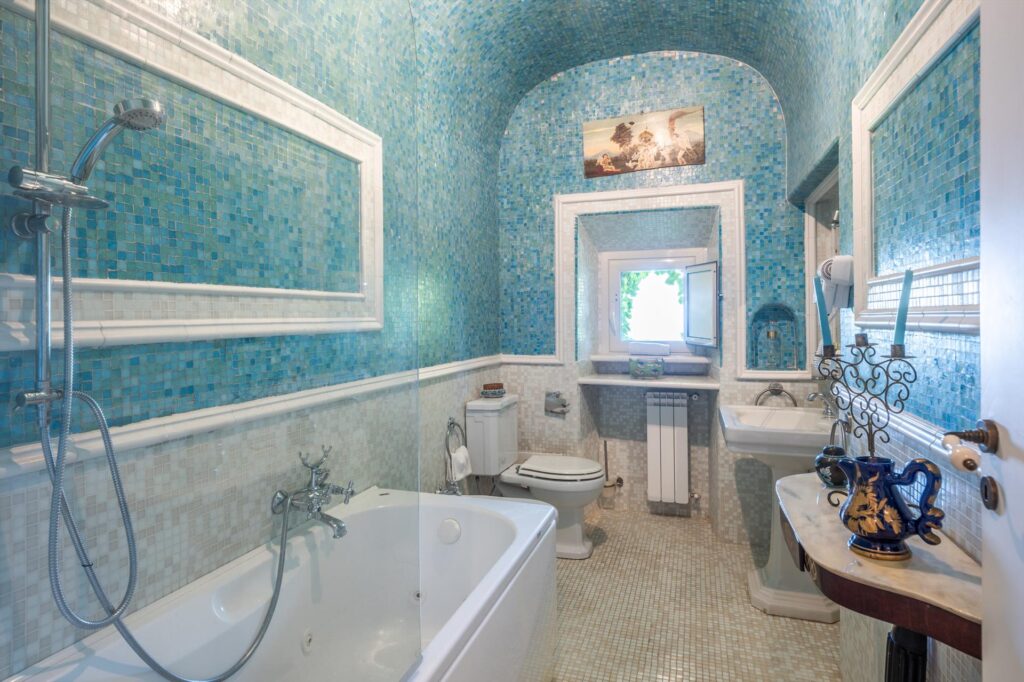
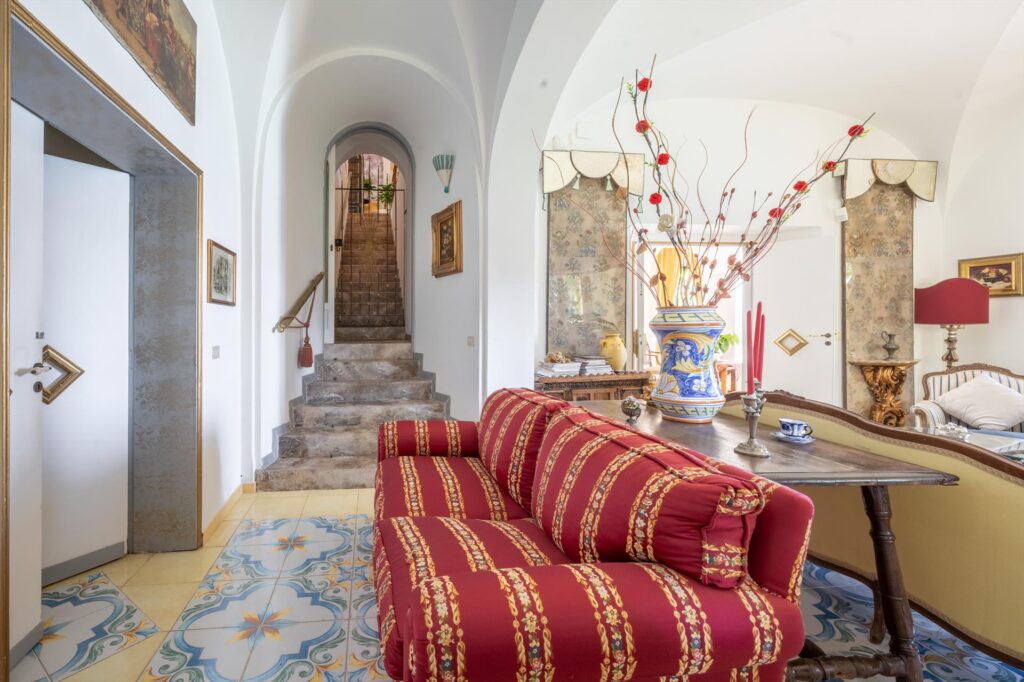
Elegant proportions, thoughtful details and harmonious spaces elevated the villa while preserving its romantic character.

Many of those design elements remain beautifully preserved today.

Guests continue to enjoy the atmosphere created by one of Italy’s most celebrated creative minds.

The Golden Years of Taormina

If the walls of Villa Don Mimì Guarnaschelli could speak, they would probably tell stories of laughter before they spoke of history.

The villa entered a glamorous new chapter in 1955, when it was purchased by Cavaliere Domenico Guarnaschelli, affectionately known throughout Taormina as Don Mimì.

His ambition reached far beyond owning an exceptional residence.

He dreamed of creating an elegant destination where culture, entertainment and hospitality could flourish together.

During this remarkable period, Taormina became one of Europe’s most glamorous destinations. International celebrities, artists and distinguished guests gathered on its sunlit terraces and lively piazzas, creating an atmosphere that many still remember as Sicily’s own version of La Dolce Vita.

Villa Don Mimì stood proudly at the heart of that golden era.

Among the names associated with the villa are Marlene Dietrich, Gregory Peck, Kirk Douglas, Louis Armstrong and Domenico Modugno. According to the Guarnaschelli family, many guests were welcomed into rooms that later became known by their names, preserving memories of an extraordinary period in Taormina’s social history.

Even today, those stories continue to give the villa a remarkable sense of character.

Guests are not simply surrounded by beautiful furniture and elegant architecture.

They are immersed in a home where history feels wonderfully alive.

More Than a Beautiful Home

Luxury alone does not create history.

Instead, history grows through generations of remarkable lives.

Villa Mimì has welcomed visionaries, artists, royalty and travellers for well over one hundred years.

Each generation has added another chapter without erasing the last.

That continuity makes the villa truly exceptional.

Every room reflects more than refined architecture.

Every terrace offers more than breathtaking views.

Together, they tell the story of people who helped shape Taormina itself.

Discovering Taormina

Staying at Villa Don Mimì means experiencing far more than an extraordinary residence.

Taormina lies just moments away.

Its charming streets invite visitors to wander slowly between historic churches, elegant boutiques and welcoming cafés.

Meanwhile, Corso Umberto remains one of Sicily’s most celebrated promenades.

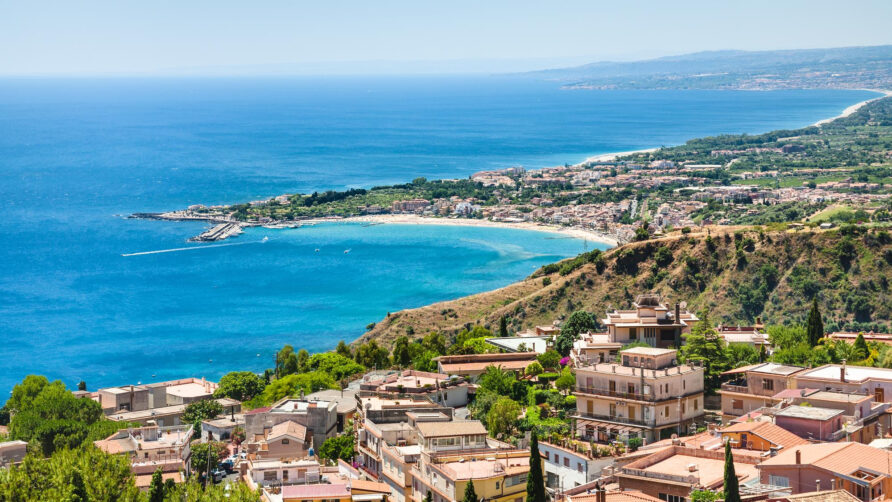
Just below the town, Isola Bella continues to enchant visitors with crystal-clear waters and one of Italy’s most photographed coastlines.

The Ancient Greek Theatre still hosts concerts beneath the stars while overlooking Mount Etna and the Ionian Sea.

Food lovers will discover family-run restaurants serving recipes passed from generation to generation.

Wine enthusiasts can explore vineyards growing on the fertile volcanic slopes of Mount Etna.

Nature lovers will find endless walking trails, hidden beaches and unforgettable coastal scenery.

Every day offers another reason to fall in love with Sicily.

Experience Villa Don Mimì with Sicily4U

Some holidays are quickly forgotten.

Others remain with us forever.

Villa Mimì offers much more than an exclusive place to stay.

It offers the opportunity to become part of a story that has unfolded for more than a century.

Guests wake each morning overlooking the same sea admired by English aristocrats.

They stroll through gardens once enjoyed by celebrated architects and distinguished visitors.

Later, they return from exploring Taormina knowing they are staying in one of Sicily’s most fascinating historic homes.

That experience cannot be recreated.

It can only be lived.

At Sicily4U, we believe every remarkable villa has a story worth telling.

Villa Mimì reminds us that history is not confined to museums or history books.

Sometimes, history welcomes you at the front door, invites you inside and asks you to stay a little longer.

Because the finest villas do more than offer luxury.

They become part of history.

In a World of Mass Production, Donna Pidda Reminds Us Why Handmade Still Matters

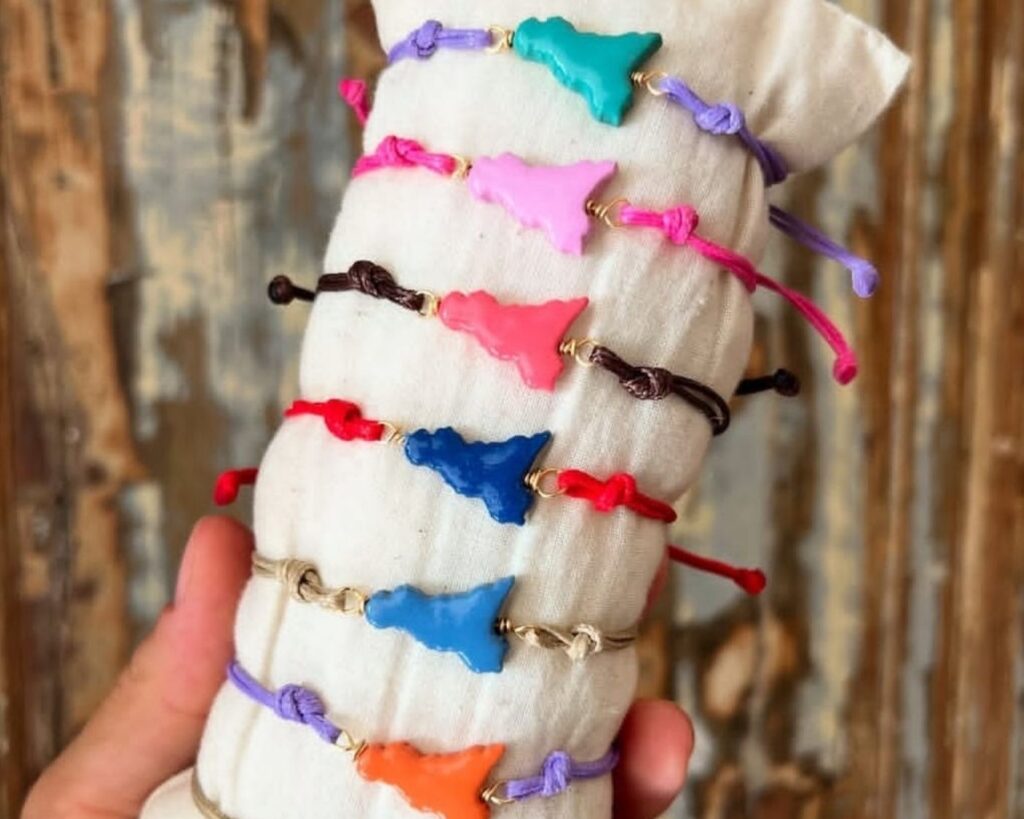
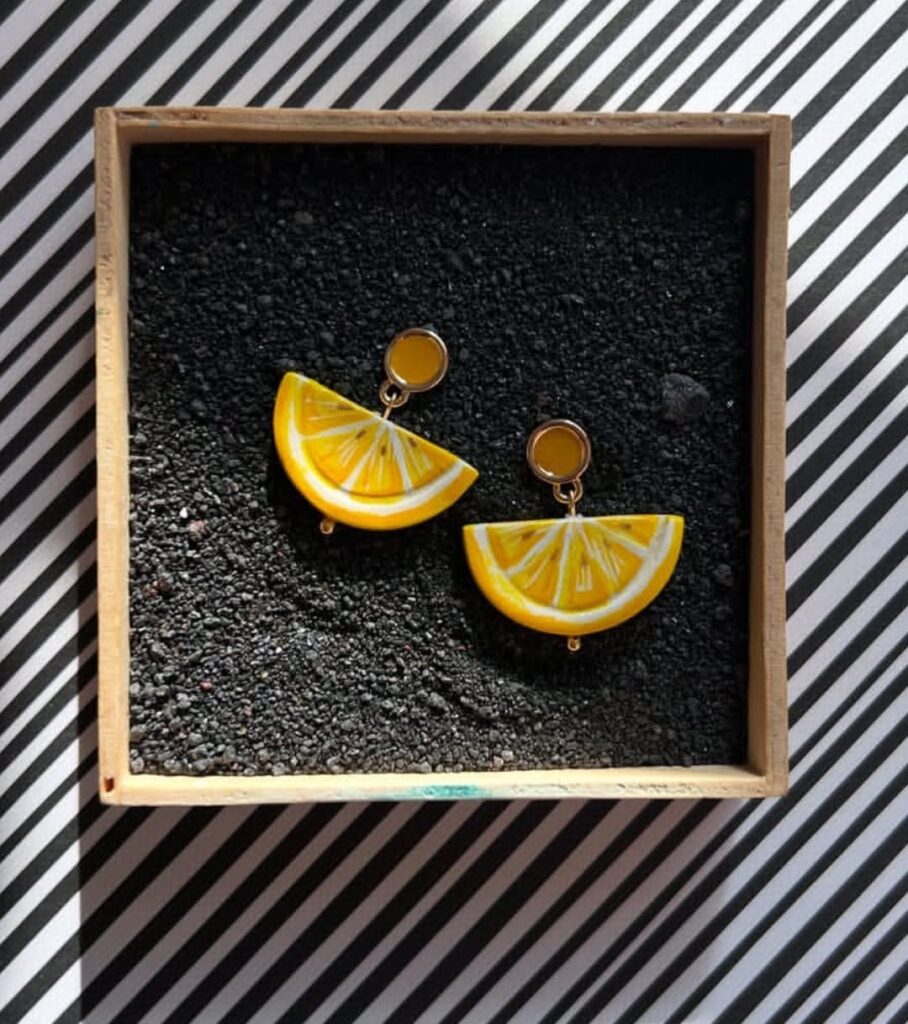
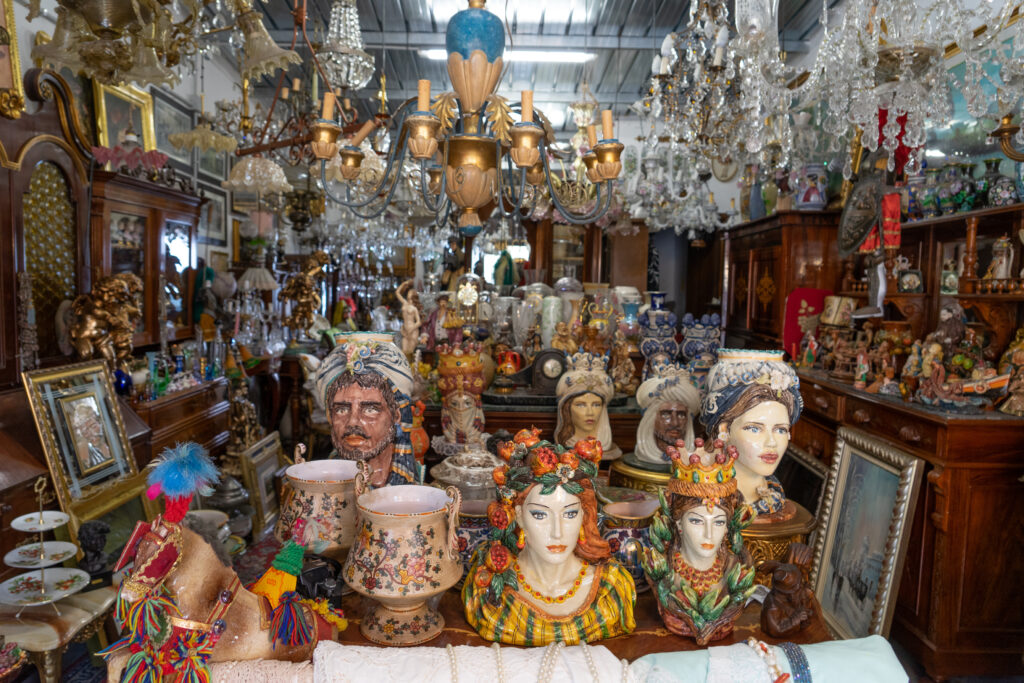
Walk through almost any tourist town in Italy and you’ll find beautiful jewelry displayed in elegant shop windows. Colorful Sicilian pinecones. Moor’s heads. Lemons. Majolica patterns. Sacred hearts.

They’re beautiful.

But here’s the question few of us stop to ask:

Who actually made them?

In today’s world, almost everything can be mass-produced. Even pieces that appear handmade. Even the earrings bought in Taormina or the necklace picked up during a holiday in Sicily may have been manufactured hundreds—or even thousands—of miles away before arriving in a souvenir shop.

That is what makes Donna Pidda in Cefalù so special.

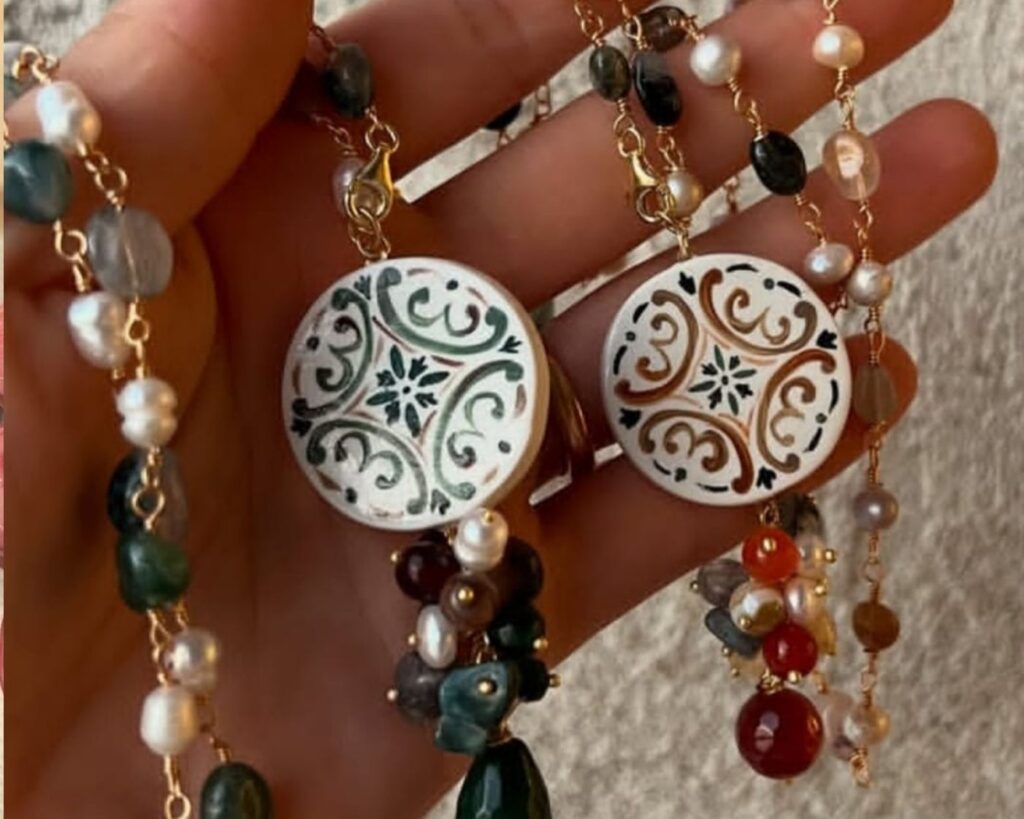
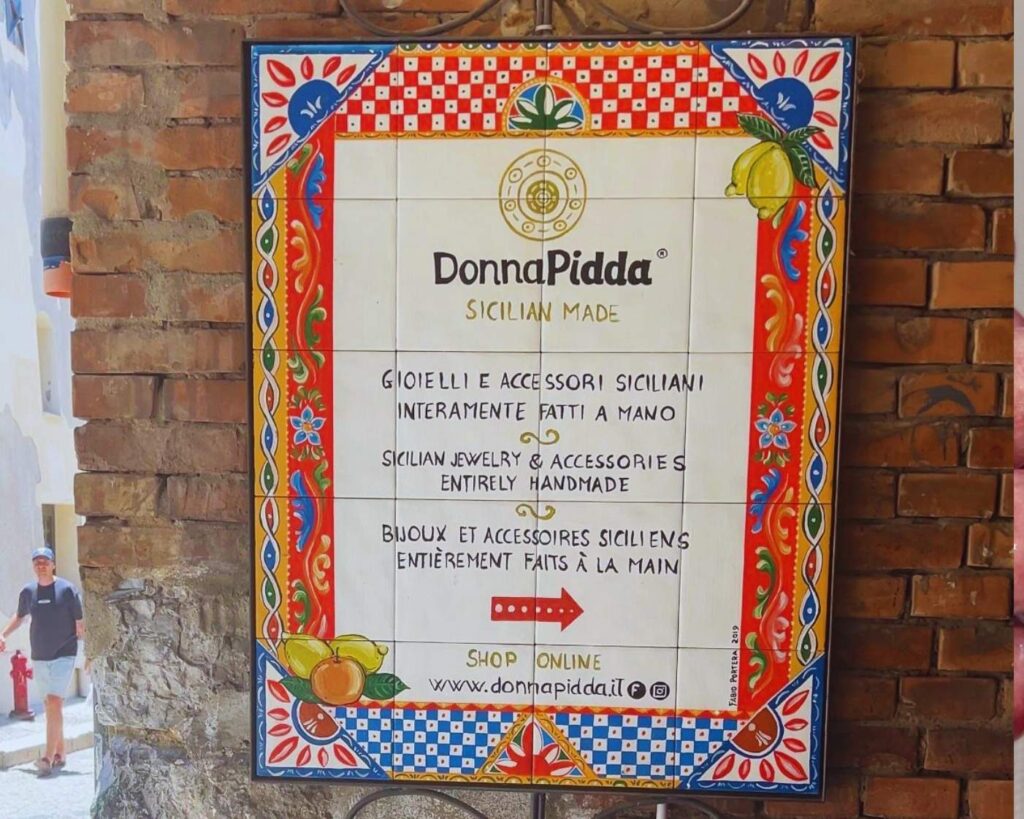
Here, Bruna, the founder and creative heart behind the brand, continues the tradition of creating handmade Sicilian jewelry inspired by the island’s folklore, history, and everyday beauty. Every piece is crafted with intention, preserving an art form that tells the story of Sicily rather than simply imitating it.

There is nothing wrong with buying something beautiful. But there is something extraordinary about knowing the hands that created it.

More Than Jewlery

Donna Pidda isn’t simply a jewelry shop.

It is Bruna’s love letter to Sicily.

Every piece begins with an idea inspired not by fashion trends or seasonal collections, but by the island itself—its stories, traditions, colours, folklore and the tiny details that many people walk past without ever noticing.

The faded ceramic tiles decorating an old doorway.

The lemons growing behind a stone wall.

The colourful fishing boats rocking gently in Cefalù’s harbour.

The intricate patterns painted on centuries-old majolica.

The legendary Teste di Moro that watch over balconies throughout Sicily.

The pinecone that has symbolised prosperity and hospitality for generations.

These aren’t simply decorative symbols.

They’re chapters of Sicily’s story.

And Bruna turns those stories into something you can wear.

Preserving More Than an Art Form.

Instead, Donna Pidda chooses something different.

Patience.

Every piece is assembled by hand.

Each colour is chosen with intention.

The tiny brushstrokes reflects hours of craftsmanship that no machine can truly replicate.

Mass production creates copies.

Craftsmanship creates character.

When you hold one of Bruna’s creations, you’re not holding something that rolled off an assembly line.

You’re holding a small piece of Sicilian identity.

An object that carries the fingerprints, imagination and passion of the person who made it.

The Beauty Hidden in Everyday Sicily

Perhaps what makes Donna Pidda so special is that Bruna doesn’t search for inspiration in grand monuments.

She finds it in everyday life.

In conversations between neighbours.

With old family traditions.

She is inspired by the colours hanging from laundry lines stretching across narrow streets.

As well as the scent of orange blossom carried through ancient alleyways.

The fishermen returning to the harbour before sunrise.

In grandmothers carefully preparing Sunday lunch.

In ceramic pots sitting outside weathered homes.

These are the moments that tourists often miss.

Yet they are the moments that define Sicily.

They are the memories locals carry with them long after they leave home.

Donna Pidda captures those quiet moments and transforms them into wearable art.

Every Piece Has a Story

Perhaps that’s why people are drawn to Donna Pidda.

Not because they’re simply buying jewelry.

They’re taking home a story.

A reminder of the afternoon they wandered through Cefalù’s medieval streets.

The smell of the sea.

The warmth of the Sicilian sun.

The laughter echoing through hidden courtyards.

The kindness of people who still greet strangers like neighbours.

Long after a holiday ends, a handcrafted piece becomes more than an accessory.

It becomes memory.

The Importance of Supporting Artisans

Places like Donna Pidda remind us why local artisans matter.

They protect traditions that cannot be automated.

They preserve techniques that machines cannot imitate.

Most importantly, they keep culture alive—not inside museums, but in everyday life.

When we choose handmade over mass-produced, we aren’t simply making a purchase.

We’re casting a vote for creativity.

For heritage.

For authenticity.

For the people who refuse to let centuries of craftsmanship disappear.

A Piece of Sicily You Can Wear

Sicily has never been defined solely by its beaches or its monuments.

It lives in its people.

Its traditions.

Its stories.

Its artisans.

Bruna has chosen to tell those stories through her hands.

Every earring, necklace, bracelet and pendant that leaves her workshop carries a small piece of Sicily with it—not because it was designed to look Sicilian, but because it was born here, inspired here and lovingly crafted here.

In a world where almost everything can be copied, there is still something deeply moving about owning something made by someone who poured a little of themselves into it.

That is the real beauty of Donna Pidda.

It isn’t just jewelry.

It’s Sicily, told one handcrafted piece at a time.

Sicily Summer Heat: What to Wear and How to Stay Safe in the Mediterranean Sun

If you’re planning a summer holiday in Sicily, one thing is certain: you’ll experience plenty of sunshine. Sicily’s Mediterranean climate is one of the reasons travelers fall in love with the island, but temperatures in July and August can regularly climb above 35°C (95°F).

Whether you’re staying in one of our handpicked Sicily villas, exploring charming towns, or spending long days by the sea, knowing what to wear and how to prepare will help you enjoy the island comfortably and safely.

Dress Like a Local: Light Fabrics Are Your Best Friend

Sicilians have lived with hot summers for centuries, and their wardrobes reflect it.

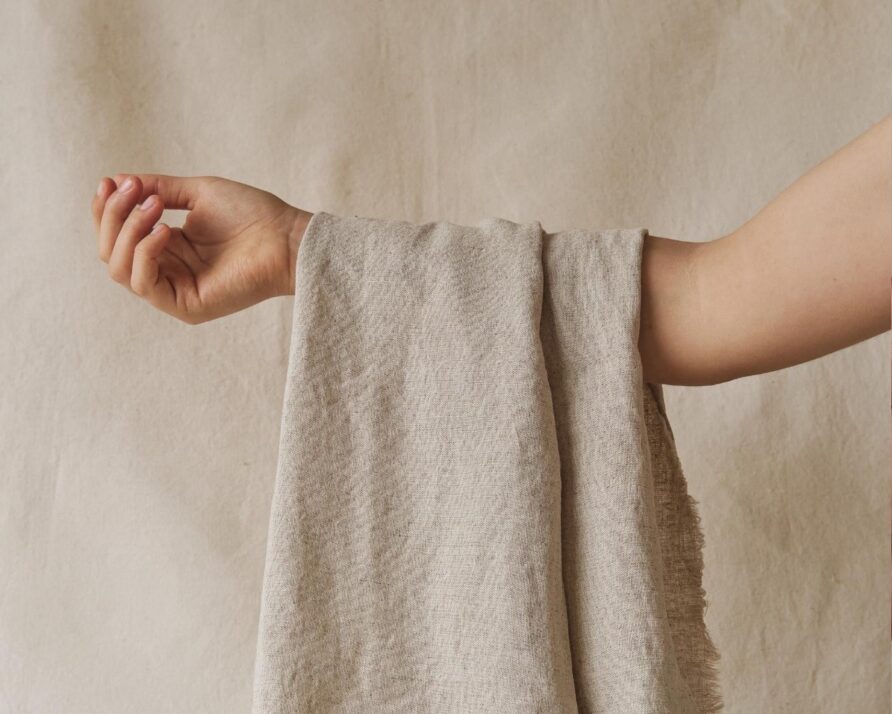
Forget heavy jeans and synthetic fabrics. Lightweight, breathable materials are essential during the hottest months.

Best Fabrics for Sicily in Summer
• Linen shirts and dresses
• Cotton tops
• Loose-fitting trousers
• Breathable sandals
• Wide-brimmed hats
• UV-protective sunglasses

Light colors such as white, beige, cream, and pale blue help reflect the sun and keep you cooler throughout the day.

What to Pack for a Summer Trip to Sicily

Packing smart can make a huge difference when temperatures rise.

Essentials to Bring

✓ Refillable water bottle

✓ SPF 50 sunscreen

✓ Wide-brimmed hat

✓ Portable fan

✓ Comfortable walking shoes

✓ Swimsuit and cover-up

✓ Electrolyte tablets

✓ Light sweater for evening sea breezes

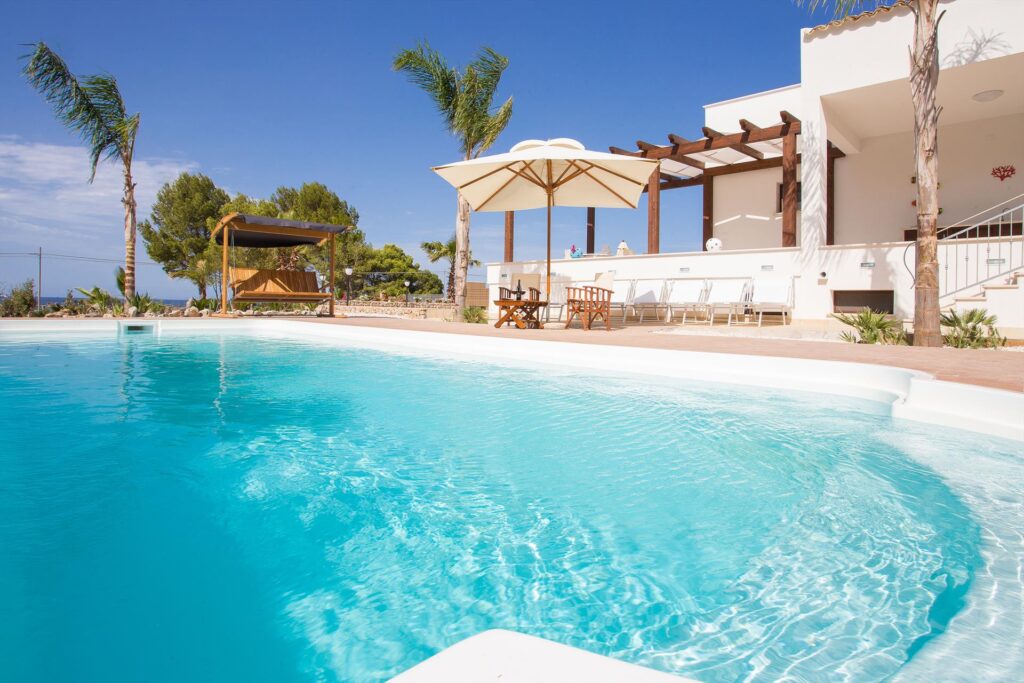
Many travelers staying in our luxury Sicily villas enjoy relaxing by the pool during the hottest hours and heading out later in the day when temperatures become more pleasant.

How Hot Does Sicily Get?

July and August are Sicily’s hottest months.

Temperatures commonly range from:
• 30°C to 38°C (86°F–100°F)
• During African heat waves, temperatures can exceed 40°C (104°F)

Locals naturally adapt their schedules by:
• Going out early in the morning
• Taking it easy during the afternoon
• Enjoying long dinners after sunset

Embracing the slower Mediterranean rhythm is one of the secrets to enjoying Sicily.

Staying Cool at Your Sicily Villa

One of the biggest advantages of staying in private Sicily villas is flexibility.

Instead of rushing through sightseeing during the hottest hours, many visitors choose to:
• Relax beside the pool
• Enjoy shaded terraces
• Prepare leisurely lunches
• Take an afternoon siesta
• Explore towns and beaches later in the day

Having your own space allows you to experience Sicily at a slower, more authentic pace.

Summer Safety Tips for Children

Young children are especially vulnerable to dehydration and sun exposure.

Parents should:
• Offer water frequently
• Apply sunscreen regularly
• Dress children in lightweight cotton clothing
• Avoid direct sun between 11 a.m. and 4 p.m.
• Plan activities for mornings and evenings

Never leave children inside parked cars, even for a few minutes.

Warning signs of overheating include:
• Fatigue
• Irritability
• Dizziness
• Excessive sleepiness

Traveling to Sicily With Dogs and Pets

Many Sicily villas welcome pets, but animals also need protection from the summer heat.

To keep your pets comfortable:
• Walk dogs early in the morning
• Avoid hot pavement
• Provide constant access to water
• Seek shade whenever possible
• Never leave pets inside vehicles

Heatstroke can develop very quickly in animals.

Extra Care for Elderly Travelers

Older adults are more sensitive to high temperatures and dehydration.

Helpful precautions include:
• Drinking water regularly
• Staying indoors during peak heat
• Wearing loose clothing
• Taking frequent breaks
• Choosing air-conditioned accommodations

Many luxury Sicily villas offer pools, shaded gardens, and comfortable indoor spaces that make summer travel far more enjoyable.

Embrace the Sicilian Lifestyle

Embrace the Sicilian Lifestyle

The secret to surviving the Sicilian summer isn’t avoiding the heat—it’s embracing the Mediterranean lifestyle.

Slow down.

Enjoy long lunches.

Take an afternoon swim.

Stroll through beautiful piazzas after sunset.

Whether you’re exploring historic towns or relaxing in one of our carefully selected Sicily villas, summer in Sicily is about savoring life at a gentler pace.

Why Sicily Feels Different From Italy: History, Culture and Lifestyle Explained

One of the questions visitors ask most often is:

“Is Sicily part of Italy?”

At first glance, it’s an understandable question.

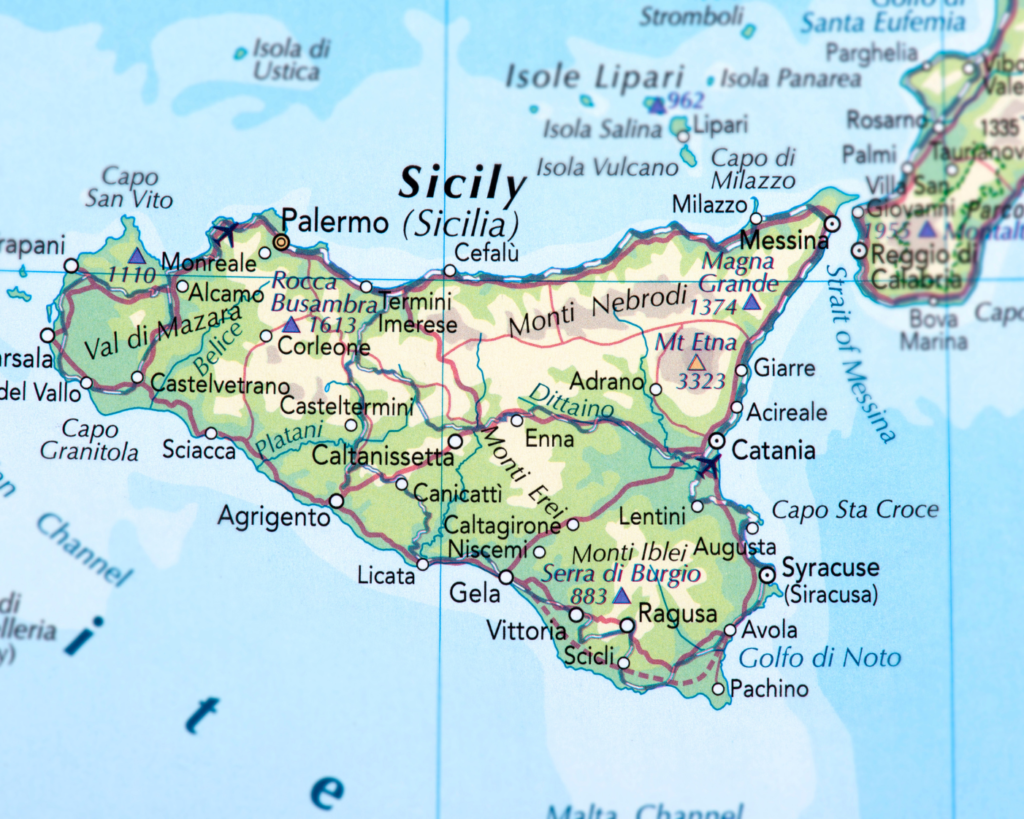
Open a map and you’ll see Italy, Sicily, Sardinia, and a collection of islands scattered throughout the Mediterranean.

To many visitors, Sicily feels so distinct that they begin to wonder.

Is it really part of Italy?

Then they arrive.

They notice the food is different.

The architecture is different.

The pace of life is different.

Even the conversations around them sound different.

Many travellers quickly discover why Sicily feels so different from Italy.

Suddenly, another question follows:

“Are Sicilians Italian?”

The answer is yes.

Yes, Sicily is part of Italy.

Yes, Sicilians are Italian citizens.

Yes, Sicilians speak Italian.

However, the story is far more interesting than that.

Top view of the beautiful beach of Punta Faro in Sicily. Messina, Italy.

It’s Not What You See. It’s What You Feel.

Visitors often arrive in Sicily expecting to fall in love with the scenery.

And they do.

The beaches are beautiful. The food is unforgettable. The villages seem frozen in time.

Yet when people talk about Sicily after they return home, they rarely talk about a single beach or a single meal.

Instead, they talk about a feeling.

A feeling they struggle to explain.

Some describe it as nostalgia for a place they had never visited before.

Others say they felt more connected, more present, or somehow more alive.

Many return home and find themselves missing things they never thought they would miss.

The sound of church bells drifting through a town square.

The old men sitting outside the same café every morning.

The way strangers stop to talk.

The smell of coffee and fresh bread on a quiet street.

The evening passeggiata when entire families emerge to walk, talk, and simply be together.

Sicily has a way of reminding people of something many of us have lost.

Time.

Not more time.

A different relationship with time.

Perhaps that is why so many visitors return again and again.

They come for the beaches, the food, and the history.

But they return for a feeling they cannot quite put into words.

sicilian ceramic trinkets for sale
Italy, Sicily, Taormina, sicilian ceramic gadgets for sale

Sicily Will Always Be Sicily

Perhaps that is why visitors ask the question so often.

Not because Sicily isn’t Italy.

But because Sicily feels like something entirely its own.

There is a spirit here that cannot be measured on a map, explained by borders, or defined by politics.

It lives in the family gatherings that last for hours. It lives in the stories passed from one generation to the next. It lives in the recipes, traditions, dialects, celebrations, and way of life that have survived for centuries.

Sicily may be part of Italy, but it has never lost its own identity.

And it never will.

Long before modern Italy existed, Sicily was Sicily.

Today, it remains Sicily.

Not better. Not worse. Simply different.

A place with its own character, its own rhythm, and its own soul.

Perhaps that is why so many visitors arrive expecting another Italian destination and leave feeling they have discovered something far more unique.

Because once you experience Sicily, you stop asking whether it is part of Italy.

You begin to understand that Sicily is something that can only truly be described as Sicily.

Cefalù Has It All: Why It’s the Perfect Home Base for Your Sicilian Adventure

Most travellers arrive in Sicily with the same challenge. How do you see as much of Sicily as possible in a short amount of time?

What location will help me get the most out of my stay?

From golden beaches and historic towns to incredible food, mountain villages, and authentic Sicilian culture, there is no shortage of places to discover.

The problem is choosing where to stay.

Many visitors spend their holiday constantly changing hotels. They pack, unpack, and spend valuable time on the road.

Cefalù offers a different approach.

Located on Sicily’s northern coast, Cefalù places you at the centre of everything.

It is easy to reach by train and well connected to Palermo and the rest of the island. Visitors can explore Sicily by day and return each evening to one of the island’s most beautiful seaside towns.

Aerial view of a coastline and big rock near Cefalu, Sicily, Italy.

A Town Where You Barely Need a Car

One of Cefalù’s greatest strengths is its walkability.

From the moment you arrive, much of what you need is within walking distance.

The beach sits beside the historic centre.

Restaurants line the waterfront and weave through the old town streets.

The train station is close enough to make day trips simple.

Many visitors spend days exploring without ever getting behind the wheel.

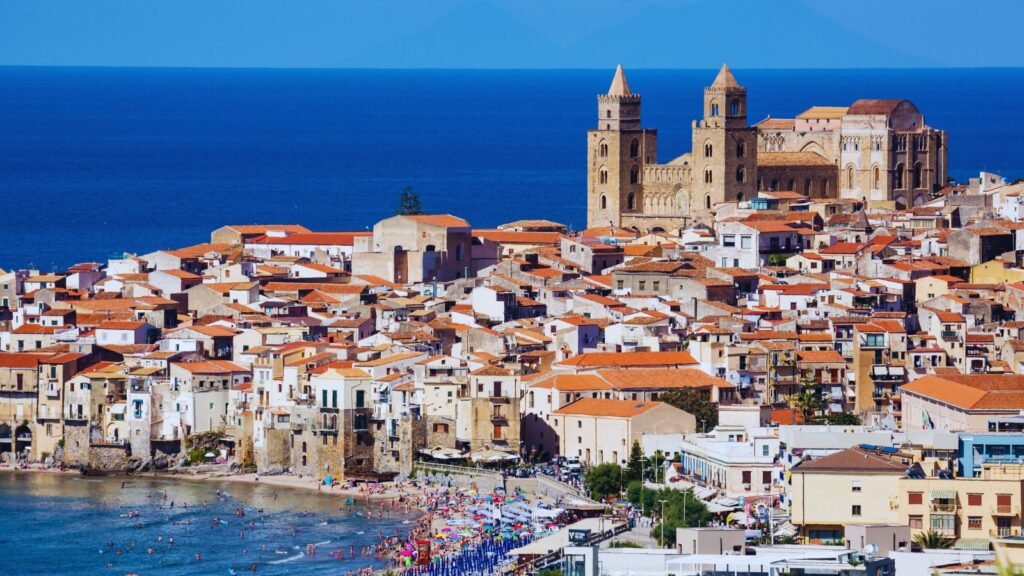
Beautiful view of the beach, Cefalu Cathedral and old town of coastal city Cefalu at sunset, Sicily, Italy

History at Every Turn

Few towns combine history and scenery as effortlessly as Cefalù.

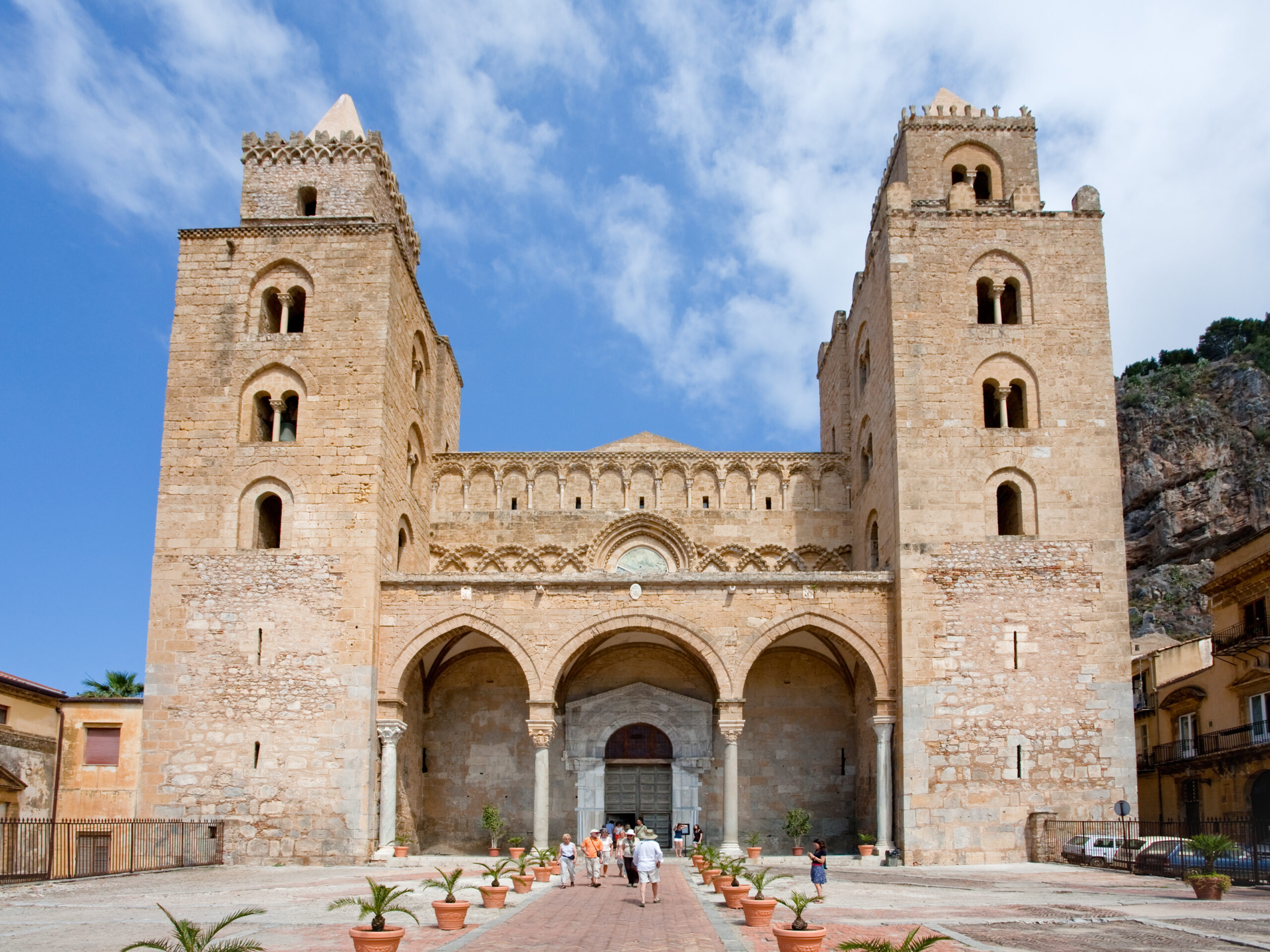
The town is dominated by its magnificent Norman Cathedral. Built in the twelfth century, it remains one of Sicily’s most important landmarks and is part of a UNESCO World Heritage site.

Just above the town rises La Rocca.

This dramatic rock formation towers above Cefalù and rewards visitors with breathtaking views across the coastline. The climb is one of the most memorable experiences in northern Sicily.

The Sicily Travellers Dream About

What makes Cefalù special is not only what it has.

It is what it has managed to keep.

Many destinations lose part of their character as tourism grows.

Cefalù remains unmistakably Sicilian.

Local families still gather in the piazzas.

Fishermen still work along the coast.

Life continues at a pace that feels authentic rather than manufactured.

This is the Sicily many travellers hope to find.

From Cinema to International Fame

Film lovers often recognise Cefalù immediately.

The town has appeared in several internationally known productions and continues to attract visitors drawn by its cinematic beauty. Some scenes connected to Giuseppe Tornatore’s work and other major productions have helped introduce Cefalù to audiences around the world.

Yet despite its popularity, Cefalù never feels like a movie set.

It remains a living town with real character.

Endless Sea Views and Waterfront Dining

Many coastal towns have one or two restaurants with a sea view.

Cefalù offers far more.

Throughout the historic centre and along the waterfront, visitors will find restaurants perched above the sea, terraces overlooking the beach, and cafés where the Mediterranean forms the backdrop to every meal.

Morning coffee, long lunches, sunset aperitivi, and fresh seafood dinners all come with a view.

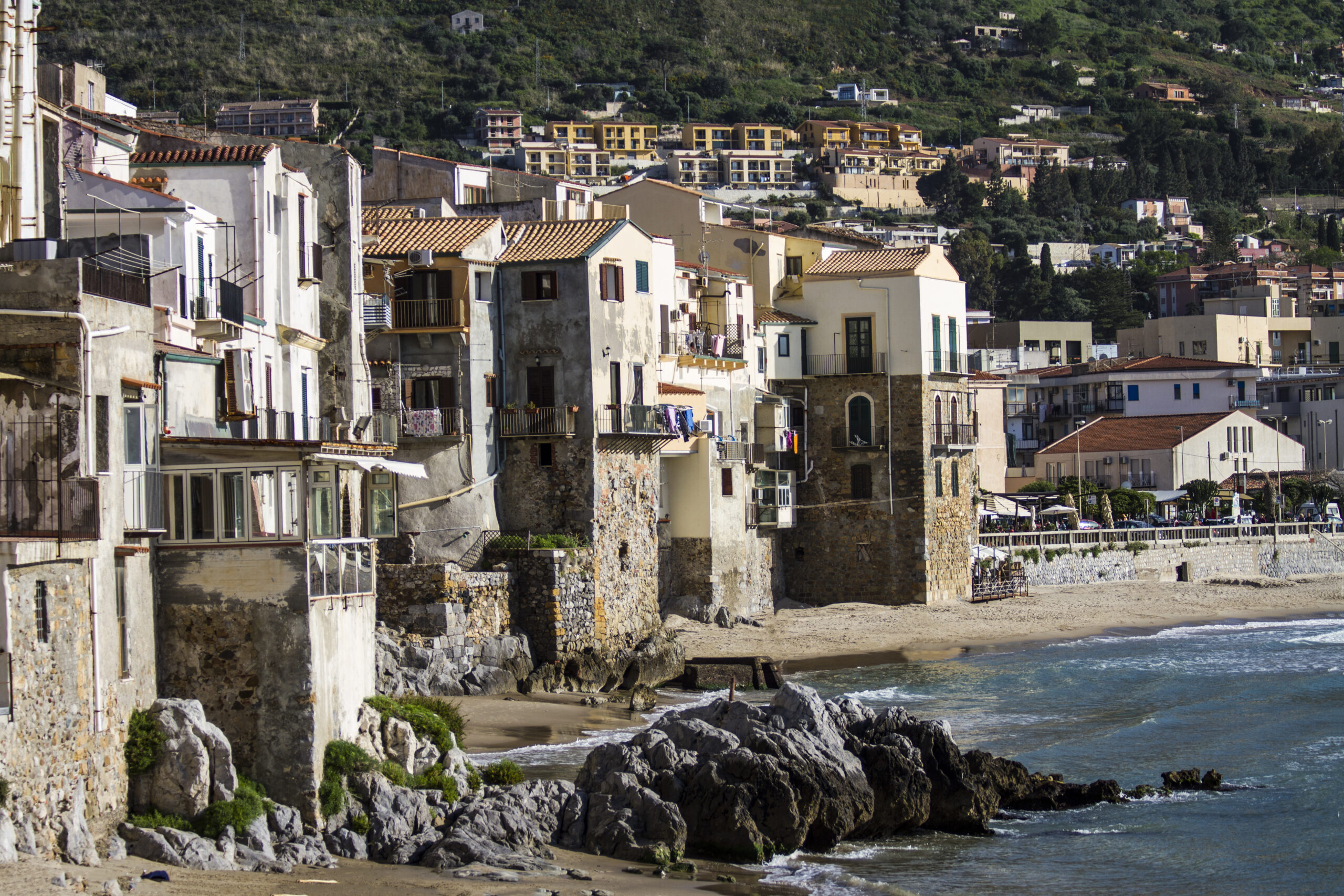
Sandy beach and old houses by the sea in Cefalu, Sicily, Italy

Discover Sant’Ambrogio

Just a short drive from Cefalù lies one of the area’s hidden treasures.

Sant’Ambrogio is a small village overlooking the sea within the Madonie region. Narrow streets, local traditions, olive groves, and spectacular coastal views make it feel like a glimpse into another Sicily.

It is the kind of place many visitors remember long after their holiday ends.

Beaches, Mountains, and Day Trips

Few destinations offer such variety.

Spend the morning on Cefalù’s sandy beach.

Explore La Rocca in the afternoon or the Duomo di Cefalù.

Enjoy dinner overlooking the sea.

The following day, visit Palermo, discover the Madonie Mountains, or explore nearby villages such as Pollina and Castelbuono.

Everything is within reach.

medieval norman Cathedral in Cefalu, Sicily, Italy on June 25, 2011

Experience Sicily from a Luxury Villa in Cefalù

Choosing Cefalù as your base allows you to experience Sicily without compromise.

Not only do you remain close to beaches, history, restaurants, but you are also perfectly positioned for exploring the rest of the island.

In addition, many of Sicily’s most rewarding destinations can be reached easily on a day trip.

a result, travellers can enjoy the perfect balance between relaxation and exploration.

Ultimately, Cefalù offers everything needed for an unforgettable Sicilian adventure.

Sicily4u: The Art of Traveling Sicily, Properly

There is the Sicily most visitors see, and then there is the Sicily discovered through truly curated luxury Sicily villa experiences, where every detail feels personal, effortless, and unforgettable.

The first is easy: postcard coastlines, baroque towns, and long lunches beneath the Mediterranean sun. The second is something else entirely. It is slower, more deliberate. It is knowing which road to take at dusk, which hidden seaside restaurant to reserve without asking, and which private villa becomes part of the journey itself.

This is the Sicily that Sicily4u curates.

Luxury Sicily Villa Experiences

At first glance, Sicily4u is a luxury villa rental company. And yes, the villas are exceptional, chosen for their beauty, their privacy, their sense of place. But to stop there is to miss the point.

Because what Sicily4u truly offers is not accommodation.

It is discernment.

Behind every recommendation for your luxury Sicily villa experiences, is a multi-international team, individuals who bring not only cultural fluency, but a refined instinct shaped by years of experience across hospitality, travel, and high-end client service. Their decisions are not based on popularity or algorithms, but on something rarer: knowledge of quality, of power, of value.

They understand the difference between what looks impressive and what truly is.

sicily villa cefalu

The Invisible Architecture of a Perfect Trip

What makes a journey feel effortless is often what you never see.

A driver who arrives not just on time, but already aware of your preferences. A private chef who understands that a birthday dinner is not about food alone, but about memory. A guide who knows when to speak, and when to let the silence of a place do its work.

Sicily4u has spent years building these relationships.

Over two decades, Christina, the driving force behind the brand, has cultivated a network not through transactions, but through trust. Each partner, from drivers to chefs to hosts and guides, has been chosen carefully, tested over time, and retained for one simple reason: they deliver experiences that feel both seamless and sincere.

Clients may never meet the team behind the screen, but they feel their presence everywhere.

Trust, Earned Quietly

In a world saturated with options, travel has become increasingly uncertain. The wrong tour can feel rushed or impersonal, and worse, inauthentic. The wrong recommendation can leave a lingering sense of having missed something real.

Sicily4U operates as a kind of filter.

They know which experiences are worth your time, and which are not. They undertsand the tours that will deepen your understanding of Sicily, rather than skim its surface.

This is not curation for its own sake. It is protection of your experience.

family vacation on the beach

Beyond the Villa

What ultimately distinguishes Sicily4u is not just what they provide, but what they believe.
That travel, at its best, should feel like an invitation, not a transaction.

That Sicily is not something to be consumed quickly, but something to be understood gradually, through its people, its rhythms, its contradictions.

And that luxury is not defined by excess, but by access to what is real, rare, and meaningful.
Yes, they will find you a remarkable villa. But more importantly, they will ensure that when you arrive, you are not just visiting Sicily.

You are experiencing it properly, deeply, and in a way that lingers.

The Sicily You Don’t Find Alone

There are places in Sicily you can discover on your own.
And then there are moments you simply cannot.
A table prepared just for you.
A road you would not have thought to take.
A connection that turns a visit into a story.
Sicily4u exists in that space, between what is visible and what is known.
Quietly, deliberately, and with a level of care that reveals itself not in promises, but in outcomes.
And for those who understand the difference, that is everything.

Palazzo Butera: Palermo’s Extraordinary Palace Reborn

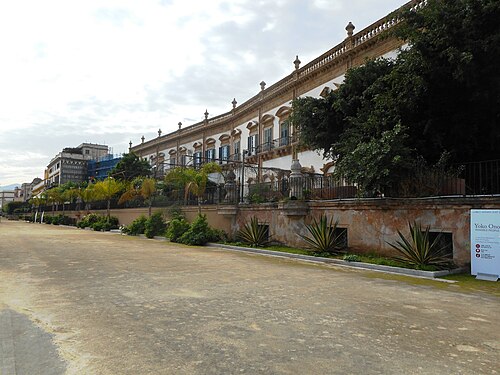
Palazzo Butera Palermo is one of the most remarkable historic palaces in Sicily. It overlooks the Mediterranean along Palermo’s historic waterfront.

After decades of neglect, the palace was carefully restored. Today it has reopened as a cultural space that blends historic grandeur with contemporary art.

For travelers exploring Sicily in depth, it has quickly become one of Palermo’s most compelling cultural stops.

Today, Palazzo Butera Palermo stands as one of the most remarkable cultural landmarks in Sicily

Wolfgang Moroder

Why Palazzo Butera Palermo Is One of Palermo’s Cultural Gems

Built in the early 1700s for the Branciforte family, Palazzo Butera stands along Palermo’s historic waterfront. It faces the elegant promenade of the Foro Italico.

The palace sits in the atmospheric Kalsa district. This is one of the oldest areas of Palermo and reflects centuries of Arab, Norman, and Baroque history.

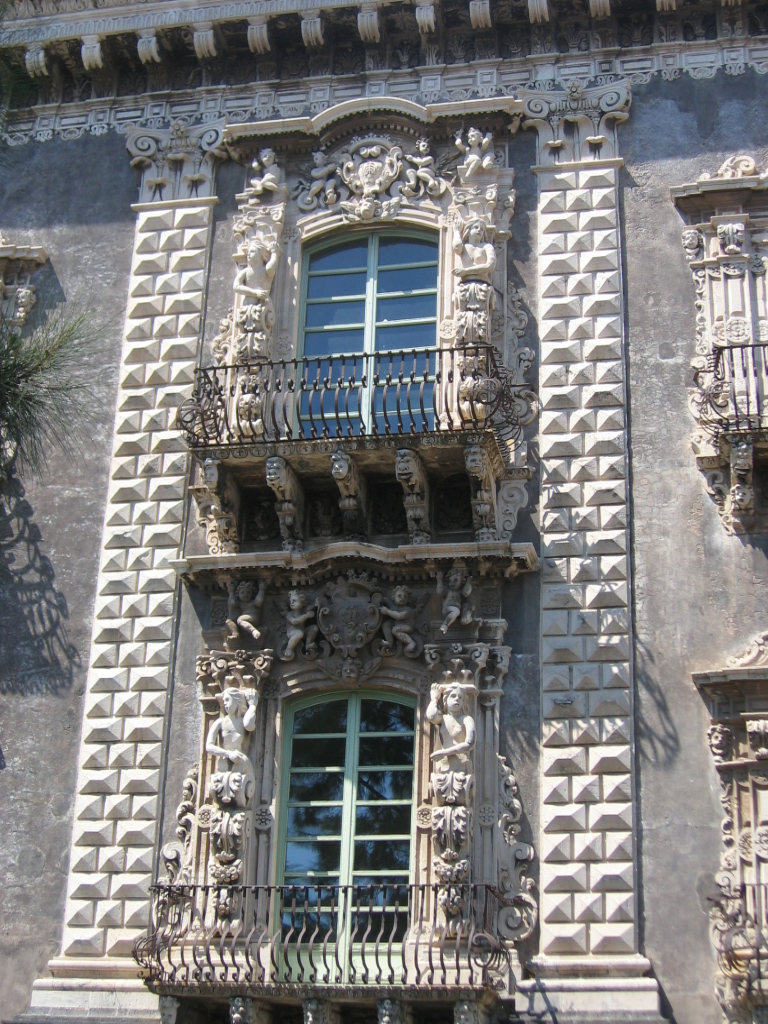
Its architecture shows the refined taste of Sicilian aristocracy. Grand salons feature frescoed ceilings, elegant loggias, and interior courtyards that once hosted Palermo’s noble society.

Many of the palace’s rooms open toward the sea. From here visitors enjoy sweeping views across the Mediterranean and the historic shoreline.

The Love Story That Saved Palazzo Butera

The revival of Palazzo Butera is not only a story of architecture and art. It is also a story of love.

In 2016, art collectors Massimo Valsecchi and Francesca Valsecchi discovered the historic palace overlooking the sea along the Foro Italico.

At the time, the building had fallen into serious disrepair after years of neglect. Many rooms were damaged, ceilings had collapsed, and the once-grand residence had lost much of its former glory.

Instead of seeing a ruin, the couple saw potential.

Both Massimo and Francesca shared a deep passion for art and historic architecture. Over the years they had built an important international art collection together.

When they encountered Palazzo Butera, they felt an immediate connection. The palace offered not only beauty but also an opportunity to restore something meaningful for the city of Palermo.

What followed was an ambitious restoration project driven by patience and dedication. The work lasted several years. Skilled artisans carefully preserved frescoes, stone floors, and decorative details while stabilizing the historic structure.

Rather than transforming the palace into a private residence, the couple made a different choice. They decided to reopen the building as a cultural space that could be shared with the public.

Experience Palermo — Then Retreat to Your Private Villa

A visit to Palazzo Butera reveals one of the most fascinating sides of Palermo. The palace tells a story of art, dedication, and cultural renewal. Walking through its restored salons and terraces overlooking the Foro Italico, visitors experience the elegance that once defined Sicily’s aristocratic world.

Yet one of the best ways to explore Palermo is not necessarily to stay in the city itself.

Many travelers choose to visit Palermo for a day, discovering historic landmarks such as Palermo Cathedral, vibrant markets, and cultural treasures like Palazzo Butera, before returning to the calm and beauty of the Sicilian coastline.

This is where the experience of Sicily becomes truly special.

Just outside the city, the coastline offers some of the island’s most beautiful settings for a stay in a private villa. Elegant seaside towns such as Mondello, Cefalù, and the surrounding countryside provide the perfect balance between culture and relaxation. From these locations, Palermo remains easily accessible for day trips while guests enjoy privacy, sea views, and the slower rhythm of Sicilian life.

At Sicily4U, we curate a collection of luxury villas across Sicily designed for travelers seeking space, comfort, and authenticity. Many of our villas are located within easy reach of Palermo, allowing guests to combine cultural exploration with the tranquility of a private retreat.

After a morning exploring Palermo’s historic streets or visiting Palazzo Butera, imagine returning to a villa overlooking the Mediterranean. A quiet terrace, a private pool, and the scent of citrus trees offer a completely different side of Sicily.

It is this balance that makes the island unforgettable — vibrant cities filled with history, and peaceful coastal landscapes where time seems to slow down.

Discover our hand-selected luxury villas in Sicily near Palermo and experience the island from a place of comfort, beauty, and privacy.

Is Sicilian a Language or a Dialect? The Truth About Sicily’s Unique Identity

Is Sicilian a language or a dialect? Many visitors to Sicily are surprised to hear that the language spoken on the island is not simply ” Italian with an accent”.

In fact, Sicilian is its own language, with deep historical roots and a rich cultural identity.

A Language with Ancient Origins

Sicilian is a romance language, meaning it evolved from Latin, just like Italian, French, and Spanish. However, it developed independently over centuries, influenced by the many civilizations that ruled Sicily.

These include: Greeks, Arabs, Normans, Spanish

Each left a lasting mark on the vocabulary, sounds, and structure of the language.

The First Literary Language of Italy

What many people don’t know is that Sicilian was actually the first literary language in Italy. In fact, Sicilian Was Once More Prestigious Than Italian. What most people don’t realize is that Sicilian wasn’t just “a regional language”, it was once the language of poetry, power, and intellectual life in Italy.

In the 13th century, at the court of Frederick II, Sicily became one of the most culturally advanced places in Europe. His court created what is now known as the Sicilian School of Poetry, which actually influenced the development of modern Italian.

Even Dante Alighieri recognized its importance, referring to Sicilian as a refined and literary language. In other words: before Italian became “Italian,” Sicilian helped shape it.

A Language That Absorbed the World

Sicilian is like a living museum of Mediterranean history. Because Sicily was conquered and ruled by so many civilizations, the language absorbed words from all of them,creating something incredibly unique.

Here are a few examples most people never notice:

Arabic influence: words like zibibbu (raisin) and gebbia (water basin)
Greek roots: especially in rural and agricultural vocabulary
Norman & French traces: seen in courtly and administrative language
Spanish impact: still heard in everyday expressions today

This mix isn’t random—it reflects centuries of trade, conquest, and coexistence. When you hear Sicilian, you’re literally hearing layers of history speaking at once.

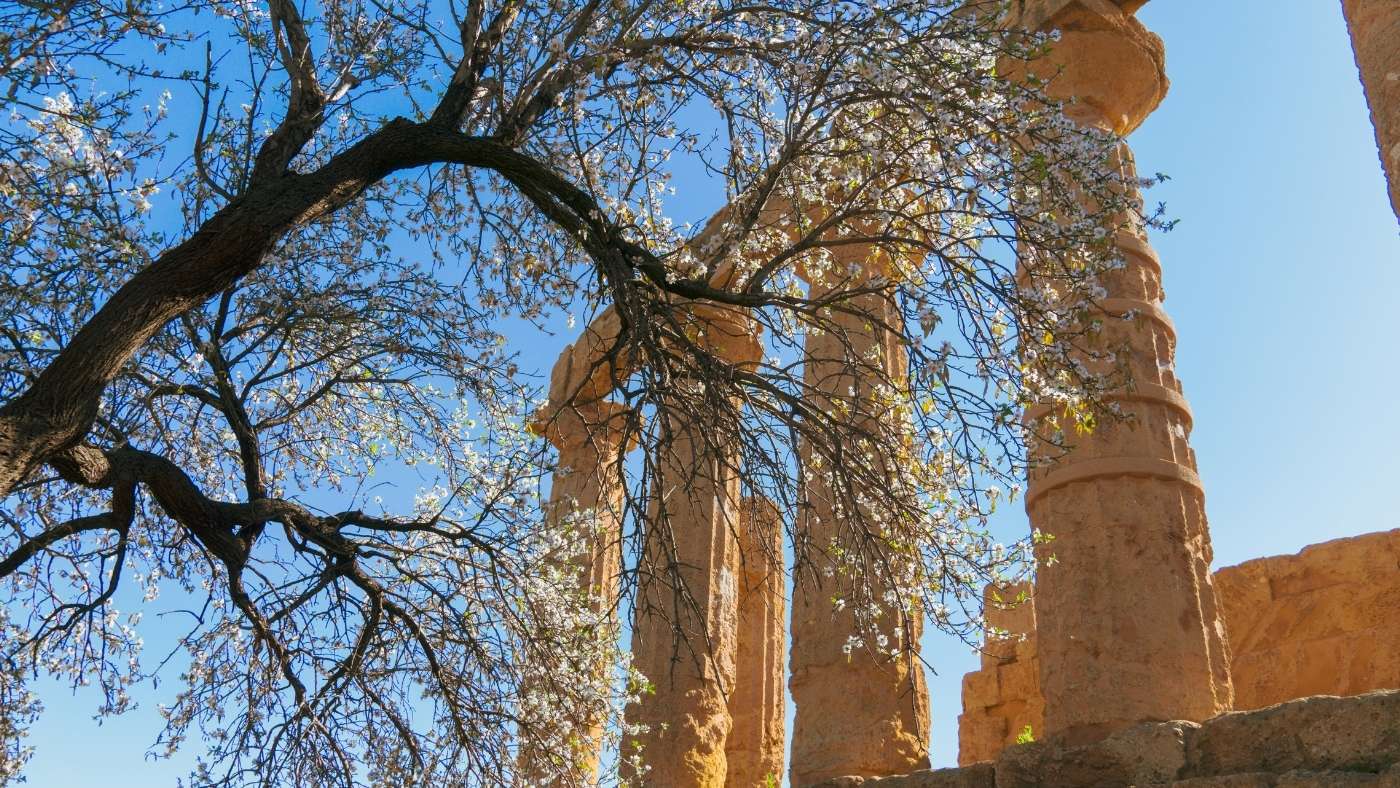
While Sicily’s language reflects a mix of cultures, its architecture tells the same story in stone. In the south, Agrigento reveals the island’s deep Greek roots, with the Valley of the Temples standing as one of the most important legacies of Magna Graecia.

In contrast, Palermo showcases a different chapter of history, shaped by Arab and Norman influences, visible in its domes, mosaics, and layered architectural styles. This contrast is part of what makes Sicily so unique, and it can be experienced firsthand by staying in one of our carefully selected villas located near these extraordinary historical sites.

It’s Not One Sicilian, It’s Many

Another surprising truth is that there is not just one version of Sicilian. The language changes noticeably from one town to another, sometimes even within short distances. The Sicilian spoken in Palermo can sound very different from what you hear in Catania.

These variations developed over centuries when many towns were geographically and socially isolated. Each community preserved its own way of speaking, creating differences in pronunciation, vocabulary, and rhythm. Sometimes, the differences are strong enough that Sicilians themselves may need to adjust how they speak to understand one another.

What people commonly call “Sicilian dialect” is not a single unified system, but a collection of related local varieties together forming the Sicilian language.

Why Sicilian Sounds So Different

To many visitors, Sicilian sounds noticeably different from Italian. It often feels faster, more direct, and more expressive. This is not simply a matter of accent, but a reflection of how the language is structured.

Sicilian tends to use shorter and more immediate sentence patterns. Often this reduces or drops vowel sounds that are clearly pronounced in Italian. The result is a rhythm that feels sharper and more dynamic.

At the same time, the language places strong emphasis on tone and expression. This gives it a very emotional quality in everyday speech.

Rather than sounding formal or polished, Sicilian feels grounded and alive. It reflects daily life, relationships, and local identity in a way that standard Italian does not always capture.


Sicily with Kids: The Ultimate Family Vacation Guide for 2026

Planning a trip to Sicily with kids in 2026?

Sicily is one of Europe’s best destinations for families. It offers beaches, culture, outdoor activities, and a relaxed lifestyle.

In fact, families quickly notice how welcoming the island is for children. Restaurants are family-friendly. Locals love kids. Large piazzas and open spaces make exploring easy.

In addition, Sicily offers a wide range of activities for all ages. Families can enjoy nature, history, and outdoor adventures in every region.

For example, children can spend the day on sandy beaches. They can visit nature parks or enjoy boat trips along the coast. Many towns also offer safe pedestrian areas for relaxed walks.

As a result, planning a flexible and stress-free family holiday becomes easy.
Staying in one of the many family-friendly Sicily villas is a great choice for families. A private Sicily villa offers space, comfort, and privacy. Many Sicily villas are close to beaches, towns, and top attractions.

Choosing the right Sicily villa allows families to enjoy the island at their own pace. It also creates a relaxed home base for exploring together.

.

Why Sicily is Perfect for Families

Sicily is an ideal destination for families because it combines variety, safety, and a relaxed atmosphere.In addition, unlike many busy European destinations, life here moves at a slower pace.

What Parents Will Appreciate

  • Warm weather for most of the year
  • A strong family culture
  • Kid-friendly restaurants and cafés
  • Plenty of outdoor space to play and explore

As a result, whether your children love the beach, animals, history, or adventure, Sicily makes it easy to create a holiday that works for everyone.

Best Places To Visit in Sicily With Kids

Family-Friendly Cities in Sicily

Cefalù

For example, Cefalù is one of the best destinations for families traveling to Sicily with kids. For a detailed itinerary, read our guide to visiting Cefalù. The historic center is compact and walkable, and the long sandy beach is perfect for young children. In addition, the relaxed atmosphere makes it ideal for a stress-free family stay.

For families visiting Cefalù, staying in a private luxury villa can make the experience even more special. Our villas in Cefalù offer the perfect combination of comfort, privacy, and authentic Sicilian charm.

Taormina

Taormina is one of the most beautiful destinations for families visiting Sicily with kids. The town offers stunning views, a relaxed atmosphere, and easy access to the sea.

Families can explore the charming historic center, ride the cable car down to the beach at Isola Bella, and enjoy a mix of sightseeing and relaxation. In addition, the pedestrian streets, open squares, and family-friendly restaurants make it easy to visit with children.

Because everything is close together, Taormina is ideal for a stress-free day trip or family stay.

Families who want more space and privacy often choose to stay in one of our villas near Taormina. Many offer private pools, beautiful views of the coastline, and peaceful surroundings while still being within easy reach of the town’s historic center and beaches.

Palermo

Palermo is a vibrant destination that combines culture, history, and outdoor experiences, making it a great choice for families visiting Sicily with kids. At the same time, the city’s lively atmosphere and wide open squares give children space to explore.
Another highlight for families is the variety of green areas, including the Botanical Garden and Parco della Favorita, where kids can run and play. Meanwhile, just a short distance from the city center, Mondello Beach offers shallow water and soft sand, ideal for a relaxing family day by the sea.

Since many of the main attractions are located close to each other, getting around is simple and convenient. Therefore, Palermo works well both as a day trip and as a short family stay.
To discover more about Palermo read our Guide on things to do in Palermo.

The area is also a great base for families staying in one of the many family villas in Sicily nearby.

Families who want more space and comfort can also explore our selection of villas near Palermo, offering beautiful outdoor spaces and an ideal base for discovering the city and nearby beaches like Mondello.

Catania

The Catania area is an excellent base for families exploring eastern Sicily with kids. In particular, its location near Mount Etna offers a unique mix of adventure, culture, and outdoor experiences.

Families can visit the lively historic center, explore local markets, and enjoy spacious piazzas where children can move around freely. At the same time, the nearby coastline provides easy access to beaches and seaside towns for relaxing breaks between sightseeing.

Another major highlight for families is Mount Etna itself, where guided excursions, cable car rides, and easy walking trails allow children to experience Europe’s highest active volcano in a safe and memorable way.
Because so many attractions are located within a short distance, the Catania area works well for families looking to combine fun activities with nature and cultural experiences.

To discover more about this area visit our page about visiting Catania .

Families looking for more space and flexibility can explore our villas near Catania, a perfect base for discovering Mount Etna and the beautiful eastern coast of Sicily.

Top Kid-Friendly Activities in Sicily

Additionally, Sicily offers a wide range of experiences that go beyond beaches and historic towns. From outdoor adventures to educational attractions, these family-friendly activities are perfect for adding variety to your Sicily with kids itinerary.

Here are some of the best things to do in Sicily with kids.

Bioparco di Sicilia Zoo & Botanical Park

Bioparco di Sicilia offers a fun and educational day out for families visiting the Palermo area. This well-maintained wildlife and botanical park combines animal encounters with shaded green spaces, making it ideal for a relaxed visit with children.

The park is home to a variety of species, including lemurs, reptiles, birds, and farm animals, along with themed botanical areas that introduce kids to different ecosystems.

Educational panels and interactive experiences make the visit both entertaining and informative.
As a result, it’s a great alternative to large theme parks, especially for families looking for a quieter, nature-focused activity suitable for all ages.

Best for: Ages 2+, half-day family visits, animal lovers, educational experiences

Location: Carini, near Palermo

Pollina Adventure Park

Nestled in the Madonie Mountains, Pollina Adventure Park offers an exciting outdoor experience for families visiting Sicily with kids.
The park features aerial obstacle courses, a climbing wall, and zip lines through the trees.
As a result, children can stay active while enjoying nature. This is an ideal choice for active families.
It’s perfect if you want to add outdoor adventure to your Sicily family trip away from the beach.

Best for: Ages 6+, adventurous kids, nature-loving families

Location: Contrada Serradaino, Pollina (PA)

GAL Hassin International Center for Astronomical Sciences

GAL Hassin is one of Italy’s most advanced astronomy centers and a unique stop when visiting Sicily with kids.
Located in the Madonie Mountains, the area offers minimal light pollution and ideal stargazing conditions.
The center features a large planetarium designed for children. In addition, families can explore interactive science exhibits.
In the evening, guided stargazing sessions make the experience even more memorable. As a result, this family-friendly attraction combines education, discovery, and wonder.


Best for: Ages 6+, science-curious children, evening family activities

Location: Isnello, Madonie Mountains

Tecnoparco Archimede (Archimedes Technology Park)

Located in Syracuse, Tecnoparco Archimede brings ancient Greek science to life for families visiting Sicily with kids.
The hands-on museum features working replicas and scale models of Archimedes’ inventions from the 3rd century BC.
Kids can interact with ancient technology such as levers and pulleys.
As a result, science becomes tangible, educational, and fun for the whole family.


Best for: Ages 7+, history-minded families, rainy day activities

Location: Syracuse (Siracusa)

Planning Your Sicily Family Adventure

Sicily is a destination that truly works for all ages. From sandy beaches and theme parks to mountains and science centers, families can easily mix fun, learning, and relaxation.

Whether you’re traveling with toddlers or teenagers, the island offers experiences that keep everyone engaged. At the same time, the relaxed pace makes it easy to explore without stress.

Ultimately, Sicily with kids is about balance, adventure during the day and simple moments together in the evening. With the right planning, your family trip in 2026 can be both memorable and effortless.

Discover our collection of family-friendly villas in Sicily and find the perfect home base for your next adventure.

Sicily offers everything you need for a relaxed and memorable family holiday in Sicily.


The Sicilian Siesta Is Real: How to Plan Your Days Without Getting Stuck

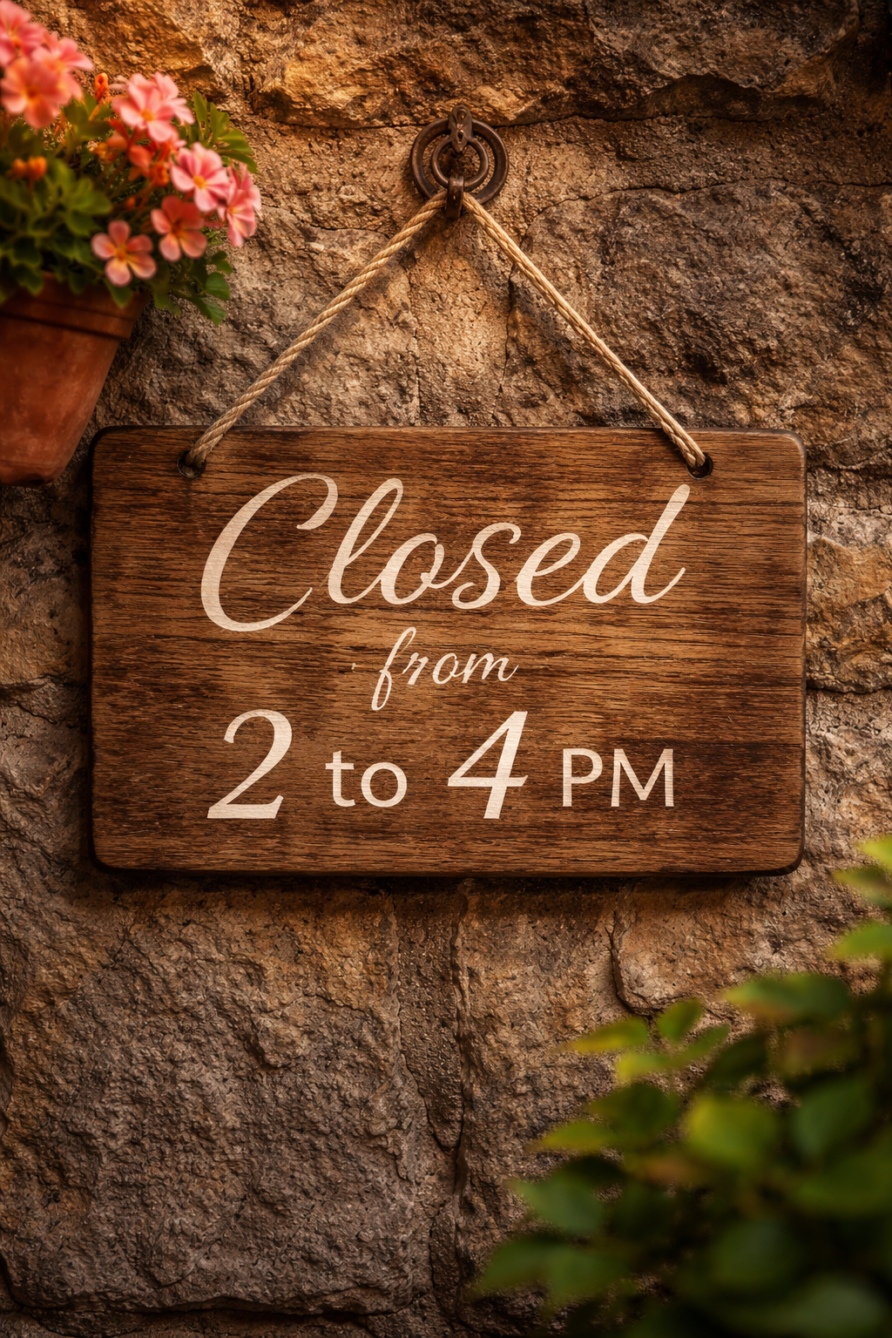
Ok so it’s your first time traveling to Sicily. You arrive in a Sicilian town in the early afternoon and it may feel as though the day has quietly paused. Shops are closed, streets are empty, and the usual energy has softened into silence. Here are a few travel tips for Sicily that will come in handy during the hours of 2 and 4 pm. If you’re visiting Sicily for the first time this blog is for you!
Spain calls it Siesta. In Sicily we call this Riposo, Rest.

Life in Sicily moves to a rhythm shaped by sunlight, heat, and tradition. Mornings are active and social. Afternoons slow down, inviting rest and stillness. As the sun lowers, the island comes back to life with conversation, aperitivo, and long dinners that unfold without hurry.

For many first time visitors, this pace can be surprising. Plans may need adjusting. Timetables lose importance. Yet once understood, this slower flow becomes one of Sicily’s greatest charms.

Rather than fighting the quiet hours, the key is learning how to move with them. When you do, Sicily reveals a way of living that feels calmer, more balanced, and deeply human. Figuring out how to plan a trip to Sicily can be daunting all on your own. Luckily we made the mistakes for you to offer these travel tips when you visit Sicily. Understanding hours of Riposo can save you a bit of grief and will help you plan days better, especially if you are visiting a less touristy area.

Do restaurants stay open during riposo in Sicily?

Often yes, but it depends on where you are and the season.

Usually open during riposo:

  • Restaurants in tourist areas (Taormina, Cefalù, Ortigia, Palermo historic center)
  • Seafront restaurants and beach clubs
  • Hotel restaurants
  • Pizzerias with all-day service (more common in summer)

What closes during Riposo in Sicily?

  • Small, local trattorie in non-touristy towns
  • Family-run places that reopen for dinner around 7:30–8:00 pm
  • Inland villages, especially outside high season

Rule of thumb:
The more local and residential the area, the more likely lunch service ends by 2:30–3:00 pm.

What people can do during riposo hours (and why it’s actually great)

1. Have a long, relaxed lunch

This is what Sicilians do. Lunch isn’t rushed, and it often stretches into the early afternoon.

2. Go to the beach or a lido

Beach clubs stay open all day. Riposo is actually the quietest, calmest beach time.

3. Rest at your accommodation

This is where villas shine:

  • pool time
  • a nap
  • reading
  • kids reset
    It turns “everything is closed” into a luxury.

4. Walk through historic towns

Even if shops are closed, towns are:

  • quieter
  • cooler in shaded streets
  • perfect for photos
    You see a more authentic side of Sicily.

5. Visit major attractions

Many big sights stay open:

  • archaeological sites
  • cathedrals
  • museums (especially in cities)
    Always check seasonal hours, but many don’t fully close.

6. Enjoy a bar or café

Bars often stay open for:

  • coffee
  • granita
  • cold drinks
    Especially in summer.

The mindset shift that matters

Riposo isn’t a gap in the day.
It’s part of the day.

There isn’t one single best way to travel around Sicily. The most rewarding trips are the ones planned within your comfort level, while leaving room for the island to reveal itself once you arrive. Sicily moves at its own pace, and understanding that rhythm is one of the most valuable travel tips for Sicily, especially for first-time visitors. By knowing what to expect and avoiding common mistakes when traveling to Sicily, you can enjoy a more relaxed and authentic experience. Follow along on our blog as we share monthly insights, practical advice, and local knowledge on what to know before visiting Sicily, how to get around, and how to experience the island beyond the usual tourist routes.

Abandoned Sicilian Ghost Town Villages That Are Beautiful and Charming Like Isnello

Sicily holds a quiet, forgotten world beyond its beaches, markets, and historic cities — a world of abandoned villages, half-empty hamlets, and ghost towns suspended between memory and silence. These places, shaped by earthquakes, emigration, and time, now sit untouched in the mountains and countryside, offering travelers a rare glimpse into an older Sicily where life moved slowly, simply, and intimately.

Some of these villages are fully abandoned. Others still have a heartbeat , a few residents, a bar, a small piazza , but carry the same nostalgic charm that makes Isnello so irresistible: narrow medieval streets, stone houses, and the feeling that you’ve stepped into a living postcard.

Here are the most evocative Sicilian ghost towns to visit today.

1. Isnello: Sicily’s “Living Ghost Town” in the Madonie Mountains

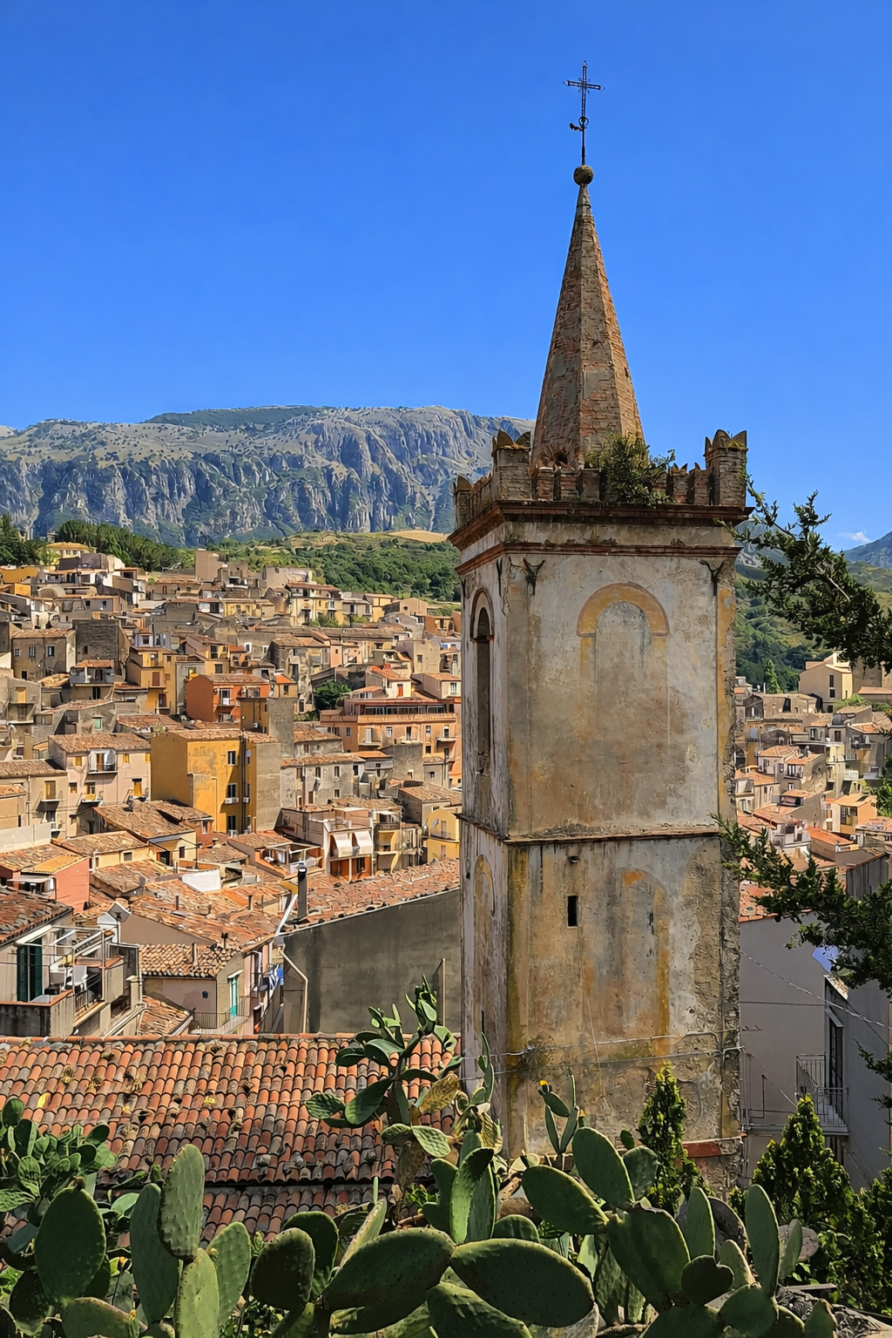
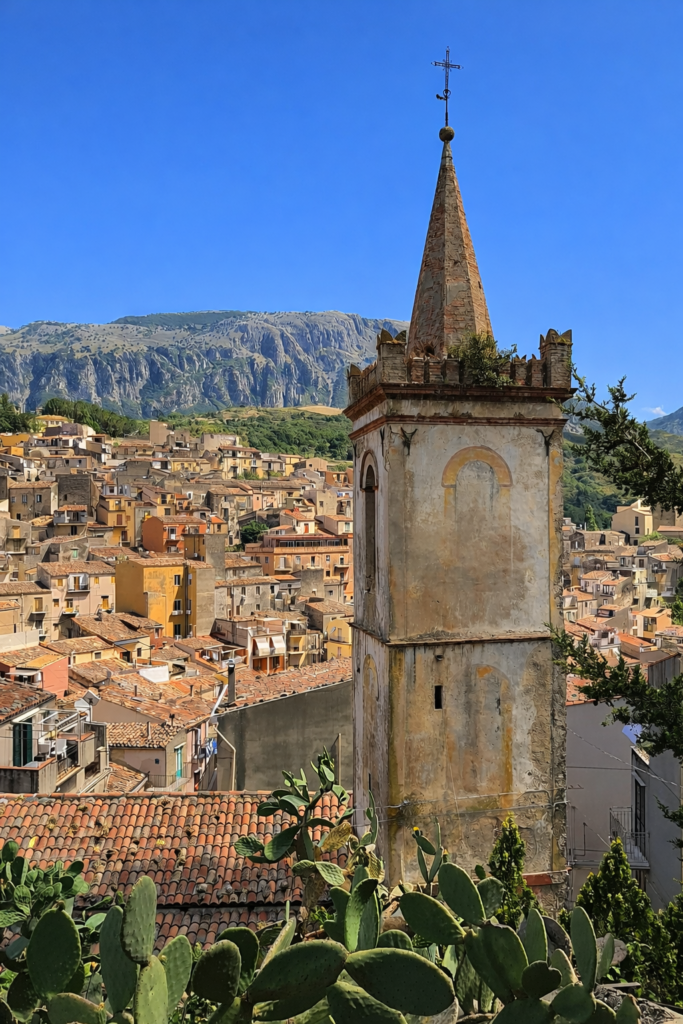
Isnello is often described as a ghost town, not because it’s abandoned, but because it feels suspended in time. Perched in the Madonie Mountains, this small Sicilian village is quiet, atmospheric, and wonderfully authentic, with stone houses stacked along the hillside and dramatic mountain views in every direction. Visiting Isnello is fun precisely because of its slowness: you can wander empty streets, admire the historic church towers and medieval layout, and enjoy panoramic viewpoints without crowds. It’s a perfect stop for travelers who love hidden places, photography, and genuine local life. Nearby hiking trails in the Madonie Park, the renowned Gal Hassin astronomical observatory, and simple trattorias serving traditional Sicilian dishes make Isnello an ideal destination for a relaxed half-day trip or a peaceful overnight stay away from mass tourism.

2. Borgo Sperlinga — The Village That Nature Took Back

Not far from Nicosia, Borgo Sperlinga lies hidden on a quiet hillside. Built to support rural workers, it emptied gradually through the 20th century. Today its abandoned church, long corridor-like streets, and crumbling houses are eerily beautiful.

Why it’s charming:

 Golden-hour light hits the ruins beautifully, turning the village into a painterly landscape.

3. Poggioreale — The Earthquake Ghost City of the Belìce Valley

Completely destroyed in the 1968 earthquake, Poggioreale is one of the most dramatic abandoned towns in Italy. The old center was never rebuilt, so the ruined grid of streets, collapsed palazzi, and roofless churches remain exactly as they were left. You can still walk the main corso, see the destroyed piazza, and stand before the cracked facades.

Why it’s charming:

 It blends raw tragedy with haunting, cinematic beauty. Photographers consider it one of Sicily’s most striking locations.

4. Salaparuta Vecchia — Silent Streets in Wine Country

Also struck by the same 1968 earthquake, old Salaparuta sits empty on a hill next to the modern town. The remains of homes, staircases, and walls form a stone labyrinth softened by wind and wildflowers.

Why it’s charming:

 It sits in open wine country — the contrast of ruins against vineyards is unforgettable.

The Poetry of Sicily’s Ghost Towns

Sicily’s abandoned villages are not dead — they are dreaming.

 They hold the breath of centuries, the laughter of people who once lived there, the pride of farmers, the silence of old prayers, the weight of history.

To walk through them is to walk into a living poem.

 To photograph them is to capture time itself.

 To know them is to know Sicily’s truest heart — raw, ancient, soulful, unforgettable.

This is the Sicily beyond postcards.

 The Sicily that tourists never touch.

 The Sicily that remains pure.

Are Boat Excursions in Sicily Worth It? An Honest Review

Planning boat excursions in Sicily? The only thing better than booking a private luxury villa in Sicily is heading out into the gorgeous waters.

From hidden coves and crystal-clear waters to volcanic coastlines and island hopping, a day at sea can completely transform your trip. But are boat tours really worth the time and cost? Here’s an honest guide to help you decide.

Most boat experiences in Sicily fall into a few clear categories:

  • Group boat tours – fixed itineraries, larger groups, lower cost
  • Semi-private tours – smaller groups with a more relaxed pace
  • Private boat charters – fully customisable, skipper included
  • Sunset or aperitivo cruises – shorter, scenic, and social

Each offers a very different experience, and reviews make it clear that expectations matter just as much as price.

What Do Travellers Actually Enjoy?

Across review platforms, boat excursions in Sicily generally score highly. However, the reasons people enjoy them are very consistent.

What Do Travellers Actually Enjoy?

Across review platforms, boat excursions in Sicily generally score highly. However, the reasons people enjoy them are very consistent.

Seeing Sicily from the Sea

Many travellers say the coastline looks completely different from the water. Areas such as the Zingaro Nature Reserve, the Aeolian Islands, and the coast near Taormina are frequently described as highlights of an entire trip.

Swimming and Snorkelling Stops

Access to hidden coves and clear water is one of the biggest positives. Reviews often mention that swimming stops — especially those unreachable by land — are what make the experience memorable.

Relaxed Atmosphere

Sunset and aperitivo cruises, in particular, are praised for their easygoing pace, friendly skippers, and social feel. For many travellers, it’s less about sightseeing and more about enjoying the moment.

Are Boat Excursions Good Value?

Boat excursions tend to be excellent value if:

  • It’s your first visit to Sicily
  • You choose semi-private or private tours
  • You enjoy swimming, snorkelling, or being on the water
  • You’re visiting coastal highlights or islands

When They’re Less Impressive

They’re often poor value if:

  • You book the cheapest option in peak season
  • You expect a luxury experience at a budget price
  • You don’t enjoy being on boats or in the sea

Reviews consistently show higher satisfaction for private and semi-private tours. Many travellers comment that paying slightly more results in:

  • More space on board
  • Longer swimming stops
  • A calmer, more personalised experience

For families or groups staying in villas, private charters often feel like a natural extension of a relaxed holiday.

Best Areas for Boat Excursions in Sicily

Based on review trends, the most rewarding areas include:

  • Aeolian Islands – volcanic landscapes and island hopping
  • Zingaro Nature Reserve – pristine coastline and clear water
  • Ortigia / Syracuse coast – history and sea combined
  • Taormina coastline – dramatic scenery
  • Favignana & Egadi Islands – shallow turquoise waters

Experiences are generally less impressive in overcrowded urban harbours or on very short “loop” routes.

Final Verdict: Should You Book One?

Boat excursions in Sicily are worth it — when chosen carefully.

They’re best seen as a slow, sensory experience, not a checklist activity. Travellers who pick the right type of tour for their expectations often describe it as one of the most memorable days of their trip.

The key is simple:
✔️ choose quality over price
✔️ avoid overcrowded peak-time tours
✔️ know what kind of experience you want

Boat excursions show you a side of the island that many travelers never experience. From hidden coves and dramatic coastlines to peaceful swims in clear Mediterranean water, a day at sea often becomes one of the highlights of vacationing in Sicily. For families on vacation, couples, or small groups, the right boat trip adds freedom, space, and unforgettable memories to your stay.

When planning your trip, your location makes a difference. Many of the best villas in Sicily sit close to the island’s most beautiful coastlines and main departure points for private and group tours. Staying nearby allows you to combine comfort, privacy, and easy access to the sea. With the right villa and a well-chosen excursion, your time in Sicily becomes more than a holiday. It becomes an experience you will want to repeat.